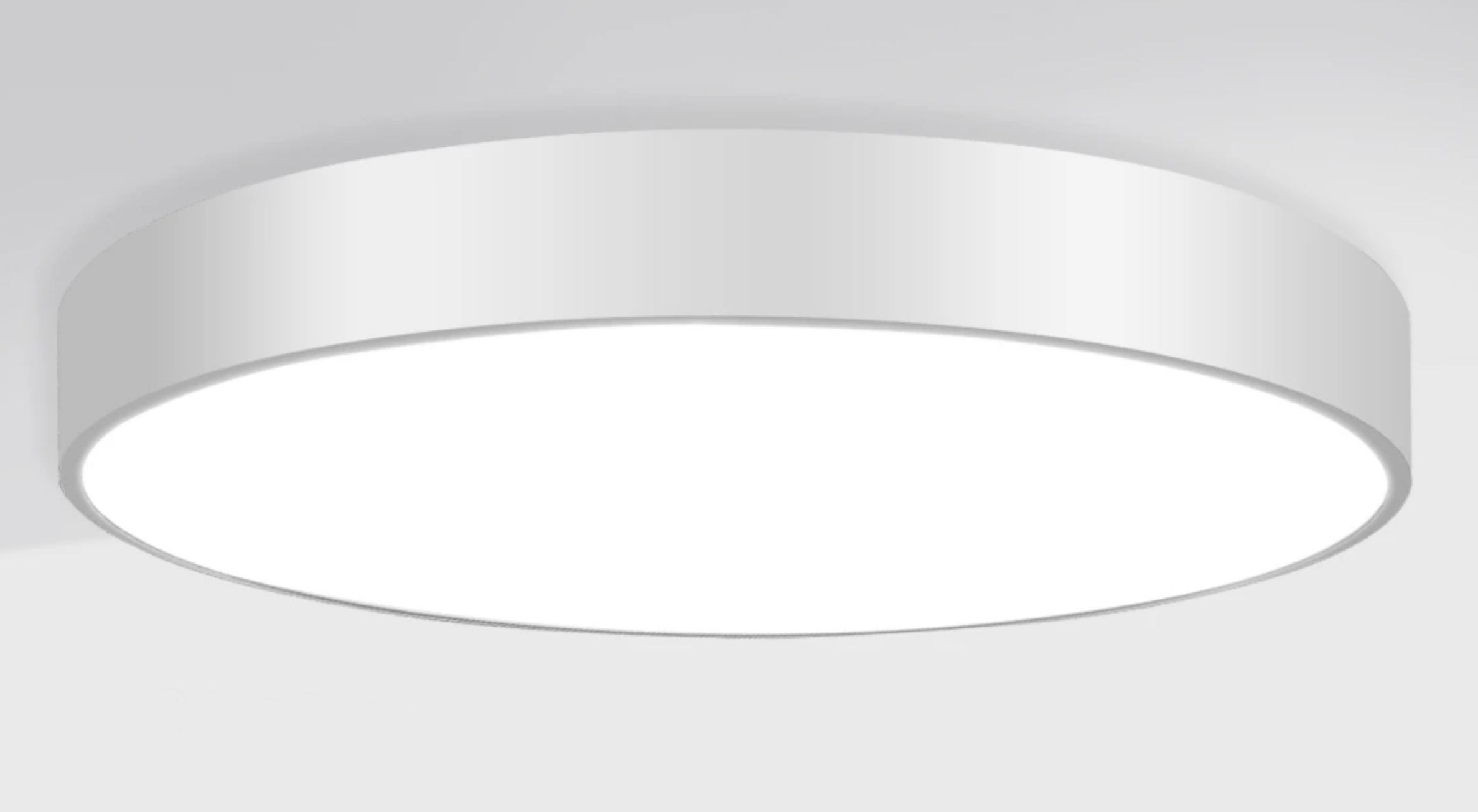
LED commercial downlights have become a core lighting solution in modern offices, retail stores, hotels, and public buildings. Designed for performance, efficiency, and visual comfort, these recessed fixtures deliver focused, uniform illumination while maintaining a clean architectural appearance.
This guide explains what LED commercial downlights are, their features, benefits, applications, and how to choose the right model for professional spaces.
What Is an LED Commercial Downlight?
An LED commercial downlight is a ceiling light fixture installed into a recessed opening so that the light shines downward. When properly installed, the fixture sits flush with the ceiling, creating a seamless and minimalist look.
Unlike residential downlights, commercial versions are engineered for longer operating hours, higher durability, and consistent performance in demanding environments.
These lights are widely used for general illumination, accent lighting, and task lighting in professional spaces.
Key Features of LED Commercial Downlights
High Energy Efficiency
One of the biggest advantages of LED commercial downlights is their ability to convert more electricity into light with less wasted heat. This significantly reduces energy consumption and operating costs compared with traditional lighting technologies.
In large commercial installations, this efficiency translates into substantial long-term savings.
Long Lifespan and Reliability
Commercial LED downlights typically offer service lives around 50,000 hours or more, which reduces the frequency of replacements and maintenance disruptions.
Because commercial spaces often run lighting for extended hours each day, this durability is especially valuable.
Low-Glare Visual Comfort
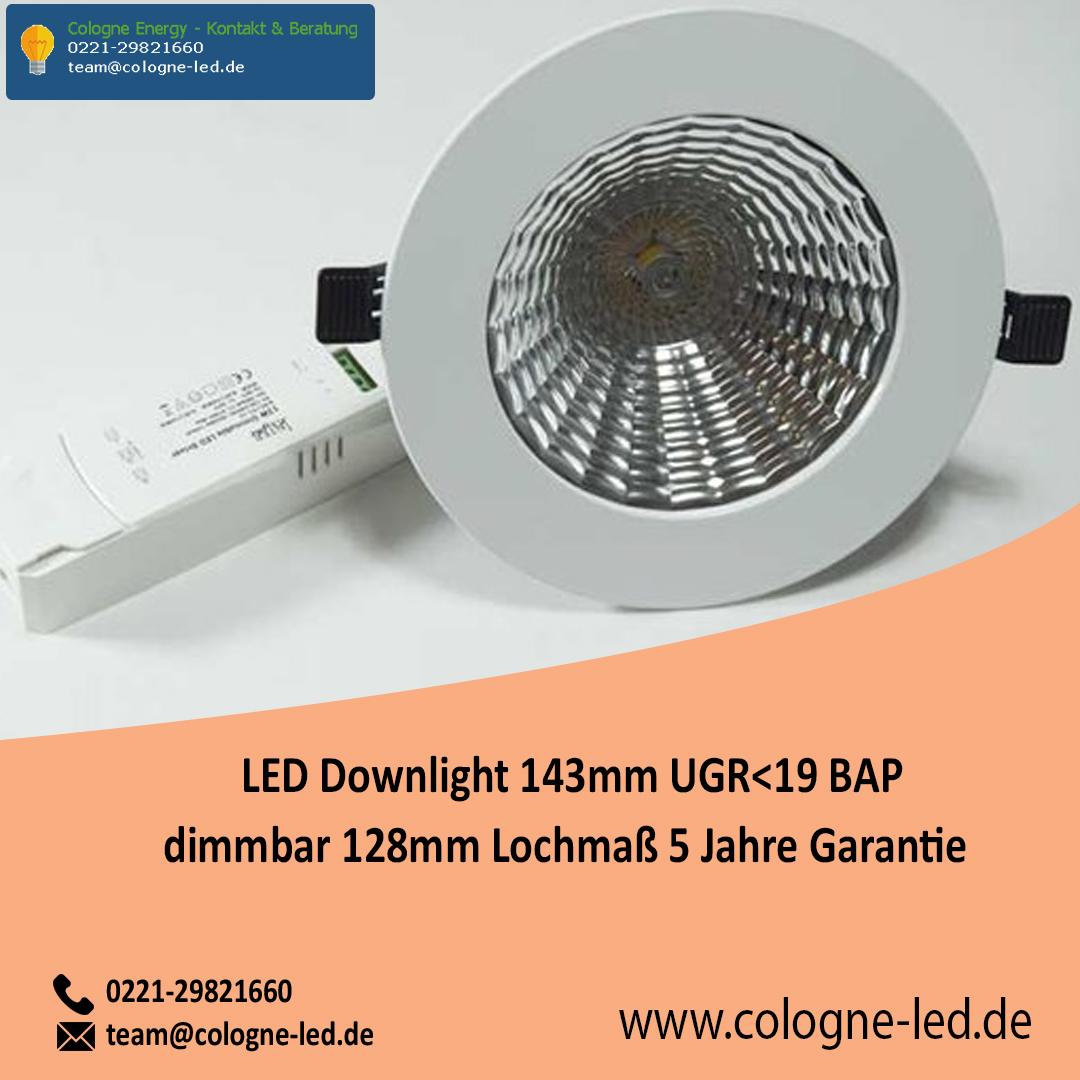
Professional downlights are designed with advanced optics such as micro-baffles, recessed reflectors, or specialized lenses to control glare and improve visual comfort.
Proper glare control helps:
Reduce eye strain
Improve employee productivity
Enhance customer experience
Meet workplace lighting standards
For offices, a Unified Glare Rating (UGR) below 19 is typically recommended.
Flexible Beam Angles
LED commercial downlights are available in multiple beam spreads, allowing lighting designers to tailor illumination.
Typical beam uses include:
Narrow beam (15–30°) for accent lighting
Medium beam (40–60°) for aisles and corridors
Wide beam (90°+) for general ambient lighting
The correct beam angle ensures uniform coverage and minimizes harsh shadows.
Adjustable Color Temperature
Most commercial downlights offer various color temperature options to match the environment.
Common choices include:
2700–3000K for hospitality and restaurants
4000K for offices and classrooms
5000–6000K for healthcare and task areas
Selecting the right CCT helps shape the mood and functionality of the space.
Smart Dimming and Control
Modern commercial downlights often support advanced control systems such as:
0–10V dimming
DALI digital control
Wireless smart control
These systems allow lighting to adjust based on occupancy, daylight levels, or schedules, improving both comfort and energy efficiency.
Types of LED Commercial Downlights
Recessed Downlights
Recessed models are installed flush inside the ceiling and provide the cleanest architectural look. They are the most common choice for offices, retail stores, and hotels.
Surface-Mounted Downlights
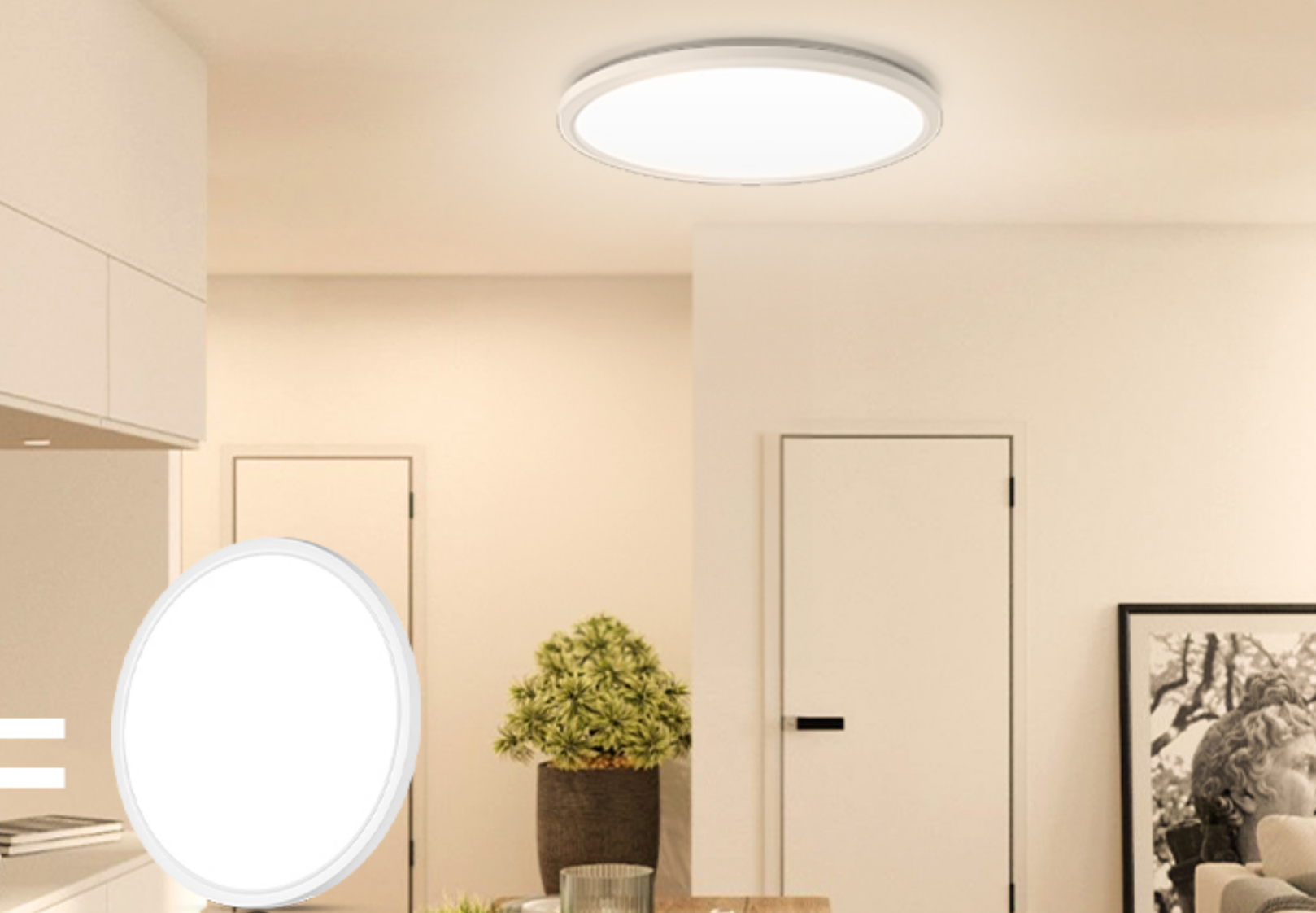
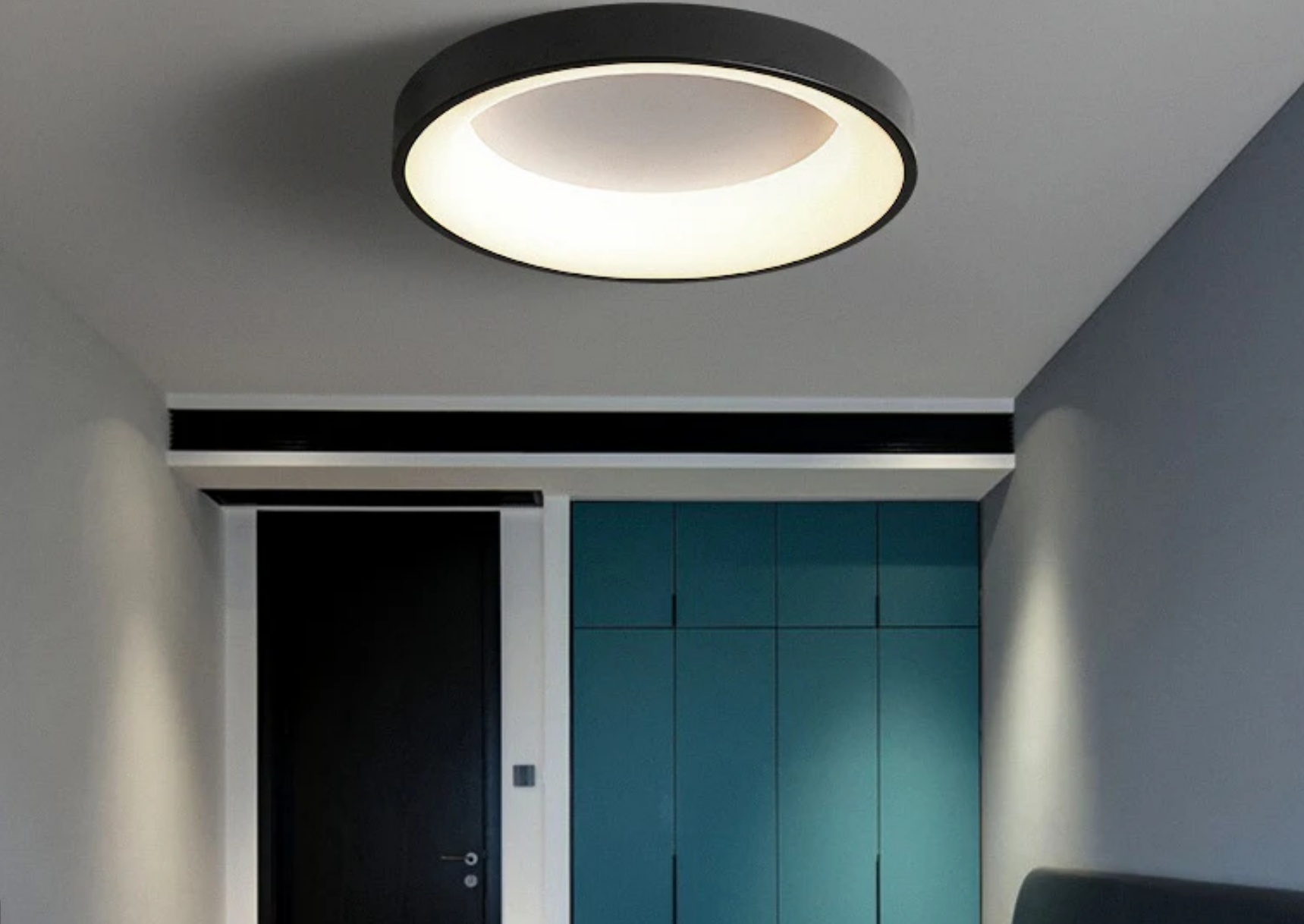
Surface versions are mounted below the ceiling and are useful where recessed installation is not possible, such as concrete ceilings or retrofit projects.
Adjustable (Gimbal) Downlights
These fixtures allow the light beam to be angled, making them ideal for highlighting displays, artwork, or architectural features.
Canless (Slim) Downlights
Canless designs have a thin profile and built-in junction box, making them suitable for ceilings with limited depth and simplifying installation.
Typical Commercial Applications
LED commercial downlights are widely used across many industries because of their versatility and performance.
In office environments, they provide uniform, low-glare lighting that supports employee comfort and productivity. Retail stores use them to highlight products and create visually appealing displays. Hotels and hospitality venues rely on warm, recessed lighting to create welcoming atmospheres.
They are also common in schools, hospitals, shopping centers, airports, conference rooms, and galleries, where consistent, high-quality illumination is essential.
How to Choose the Right LED Commercial Downlight
Selecting the proper fixture requires careful evaluation of several factors.
First, consider lumen output and ceiling height. Higher ceilings require higher lumen packages to maintain adequate illumination levels. Next, evaluate glare control; for offices, choose fixtures with UGR<19 to ensure visual comfort.
Beam angle should match the lighting purpose—wide beams for ambient lighting and narrow beams for accent applications. Color rendering index (CRI) is also important; commercial spaces typically require CRI ≥80, while premium retail environments benefit from CRI ≥90 for more accurate color appearance