






Have you ever wondered why some businesses seem to nail their supply chain while others constantly battle delays and damaged goods? What makes the difference between a smooth-running operation and a logistics nightmare? And more importantly, how can you make sure your business lands on the right side of that equation?
Choosing the right logistics partner is one of the most critical decisions you'll make for your business. It affects everything from your bottom line to your customer satisfaction rates. Get it wrong, and you're looking at missed deadlines, unhappy customers, and costs that spiral out of control. Get it right, and you've got a competitive advantage that keeps your business running like clockwork.
In this guide, we'll walk you through the five most common mistakes businesses make when hiring a logistics company. Whether you're a small ecommerce operation or a growing enterprise, these insights will help you sidestep costly errors. You'll learn what to look for beyond the price tag, why experience matters, and how to evaluate whether a provider can actually grow alongside your business. Let's get stuck into it.
Focusing Solely on Price
The Hidden Costs of Choosing the Cheapest Option
It's tempting to go with the lowest quote when you're watching your budget. But here's the thing the cheapest option often ends up costing you more in the long run. Hidden fees for storage, handling, or fuel surcharges can quickly add up. Then there's the cost of damaged goods, late deliveries, and the customer complaints that follow.
Think about it this way: if a provider is significantly undercutting the competition, something's got to give. Maybe they're cutting corners on packaging, using older vehicles, or overworking their staff. None of these scenarios end well for your products or your reputation.
What Should You Look for Beyond Cost?
When evaluating freight services, consider the full picture. Look at their delivery track record, insurance coverage, and customer service responsiveness. Ask about their damage rates and how they handle claims. A provider who charges a bit more but delivers consistently and safely is worth every extra dollar.
How to Balance Budget and Quality
The sweet spot lies in value, not just price. Request detailed quotes that break down every cost. Compare like for like, and don't be afraid to negotiate. A quality provider will often match reasonable requests rather than lose your business to a competitor.
Overlooking Industry Experience and Specialisation
Why Does Industry-Specific Experience Matter?
Not all logistics are created equal. Transporting refrigerated goods requires different expertise than moving construction materials. A provider experienced in your industry understands the unique challenges, regulations, and best practices that keep your supply chain humming.
For Australian businesses, this is particularly important. Our vast distances and varied climates mean that a one-size-fits-all approach simply doesn't work. A logistics company that's handled similar products to yours will anticipate problems before they occur.
Questions to Ask About a Provider's Track Record
Don't be shy about grilling potential partners. Ask how long they've been operating in your sector. Request case studies or references from similar businesses. Find out how they've handled challenges specific to your industry. Their answers will tell you whether they're genuinely experienced or just talking a good game.
Red Flags That Indicate a Lack of Expertise
Watch out for vague answers about their experience or an inability to provide relevant references. If they can't explain how they'd handle your specific requirements, that's a warning sign. Similarly, if they seem unfamiliar with industry regulations or standard practices, it's time to look elsewhere.
Ignoring Technology and Tracking Capabilities
How Do Modern Logistics Companies Use Technology?
Today's best logistics providers use technology to streamline everything from route planning to warehouse management. Advanced systems reduce errors, improve efficiency, and give you visibility into your supply chain that was unimaginable a decade ago.
The Importance of Real-Time Tracking and Visibility
Real-time tracking isn't just a nice-to-have anymore it's essential. Your customers expect to know where their orders are, and you need to manage inventory effectively. A provider without solid tracking capabilities will leave you and your customers in the dark.
Plus, good tracking systems help identify bottlenecks and inefficiencies. This data becomes invaluable for optimising your operations over time.
What Technology Should a Good Logistics Provider Offer?
At minimum, look for GPS tracking, automated notifications, and a user-friendly online portal. More advanced providers offer integration with your existing systems, predictive analytics, and automated reporting. The right technology partner will make your job easier, not harder.
Failing to Verify Insurance and Compliance
What Insurance Should a Logistics Company Have?
This is where things can get seriously messy if you don't do your homework. A reputable logistics company should carry comprehensive insurance covering goods in transit, public liability, and worker's compensation. Ask for certificates of currency and verify they're up to date.
Don't assume that because a company is established, their insurance is adequate. Coverage levels vary, and you need to know exactly what's protected and what isn't.
Understanding Australian Freight Regulations and Compliance
Australian freight transport is governed by strict regulations covering everything from vehicle weights to driver fatigue management. Your logistics partner must comply with National Heavy Vehicle Regulator requirements, Chain of Responsibility laws, and relevant state regulations.
Non-compliance doesn't just affect the logistics company under Chain of Responsibility laws, your business could be held liable for breaches. This isn't something to take lightly.
How to Check if a Logistics Provider is Properly Licensed
Request copies of relevant licences and registrations. Check with industry bodies and regulators. A legitimate provider will have no problem providing this documentation. If they're evasive or claim you don't need to worry about it, consider that a major red flag.
Not Assessing Scalability and Flexibility
Can the Logistics Company Grow With Your Business?
Your logistics needs today won't be the same in two or five years. Choosing a provider who can scale with you saves the hassle of switching partners down the track. Ask about their capacity, their growth plans, and how they've supported other businesses through expansion.
Why Flexibility Matters During Peak Seasons
Every business has busy periods, whether that's Christmas, end of financial year, or industry-specific peaks. Your logistics partner needs the flexibility to handle volume surges without compromising service quality.
Find out how they manage peak demand. Do they have contingency plans? Can they bring in additional resources when needed? A provider who struggles during your busiest times will cost you sales and customers.
How to Evaluate a Provider's Capacity for Future Needs
Look at their infrastructure, fleet size, and warehouse capacity. Ask about their relationships with other carriers and whether they can call on additional resources when required. A good partner will be honest about their capabilities and limitations.

How to Choose the Right Logistics Company for Your Business
Key Questions to Ask Before Signing a Contract
Before committing, make sure you've covered these bases:
- What are your delivery timeframes and success rates?
- How do you handle damaged or lost goods?
- What technology platforms do you use?
- Can I speak with existing customers in my industry?
- What are your terms for contract changes or termination?
Creating a Logistics Partner Evaluation Checklist
Put together a scoring system that weighs the factors most important to your business. Include pricing, experience, technology, insurance, scalability, and customer service. Rate each potential provider objectively and let the numbers guide your decision.
What Are the Benefits of Hiring a Professional Logistics Company?
Time and Cost Savings
A professional logistics partner handles the complexity so you can focus on your core business. They bring economies of scale, established networks, and expertise that would take years to build in-house.
Improved Customer Satisfaction
Reliable deliveries mean happy customers. And happy customers come back. A quality logistics provider directly impacts your reputation and repeat business rates.
Access to Expertise and Networks
You gain access to industry knowledge, established carrier relationships, and problem-solving capabilities that add genuine value to your operations.
Taking the Next Step Towards Better Logistics Management
Choosing a logistics partner isn't a decision to rush. The mistakes we've covered focusing only on price, ignoring experience, overlooking technology, skipping compliance checks, and forgetting about scalability can all be avoided with proper due diligence.
Take your time evaluating potential providers. Ask the tough questions and don't settle for vague answers. The right partner will welcome your scrutiny because they know they can deliver. Remember, this relationship will directly impact your customer experience and your bottom line.
Ready to find a logistics company partner who ticks all the boxes? Start by creating your evaluation checklist using the points we've discussed. Reach out to potential providers and put them through their paces. Your future self – and your customers will thank you for making the effort now.



SAR is the best logistics company in Kolkata.
it Provides the best logistics services.
If you are finding for logistics companies in Kolkata then you should choose SAR.
SAR is international sea freight forwarders, air freight forwarders providing air & sea cargo forwarding, customs clearance services.

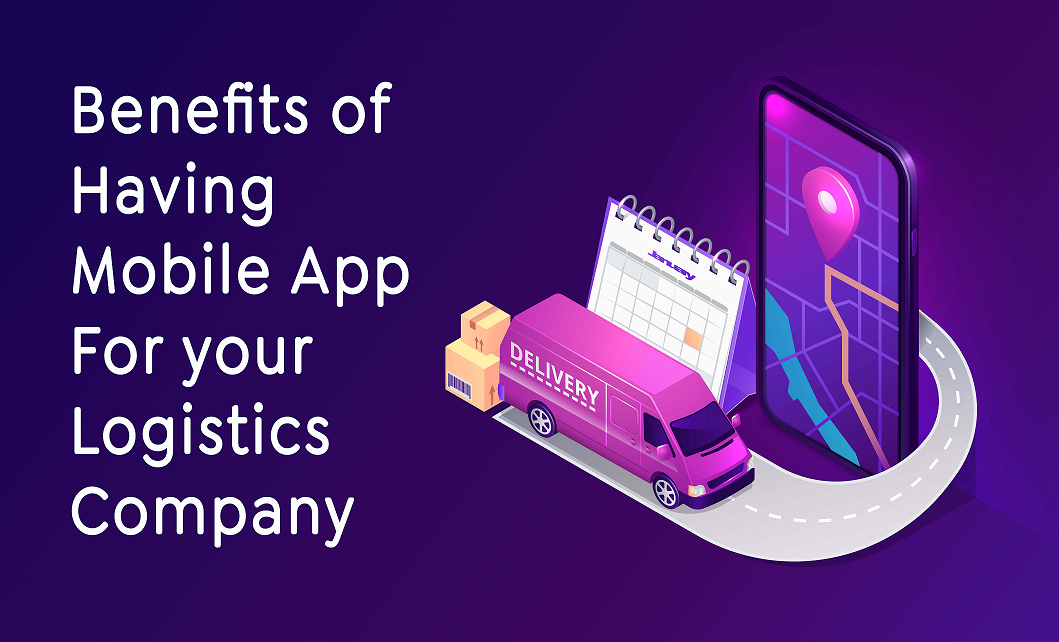
In this article, we will discuss the benefits of having a mobile app for your logistics company, and the features that should be included in your logistics app.For more info: https://webhitlist.com/profiles/blogs/benefits-of-having-a-mobile-app-for-your-logistics-company