

In offshore and port operations, ensuring the safe and efficient transfer of liquids and gases between vessels and shore terminals is crucial. Whether dealing with crude oil, LNG, chemicals, or petroleum products, robust infrastructure is essential.
Central to this infrastructure is the Marine Loading Arm (MLA). This advanced system improves fluid management at ports worldwide by offering greater durability, precision, safety, and efficiency compared to traditional hoses, making it ideal for high-capacity operations.
This article discusses the installation of MLA systems, highlighting their functionality, the installation process, safety standards, and offering tips for choosing a trustworthy installation partner. Companies like Tekzone Industrial Construction lead the way with engineered marine loading arm solutions in the Middle East and beyond.
What Are Marine Loading Arms?
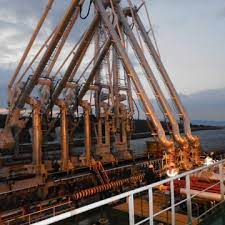
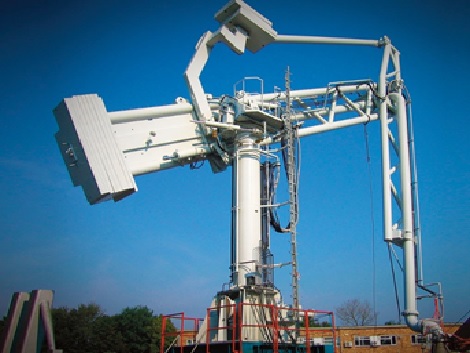
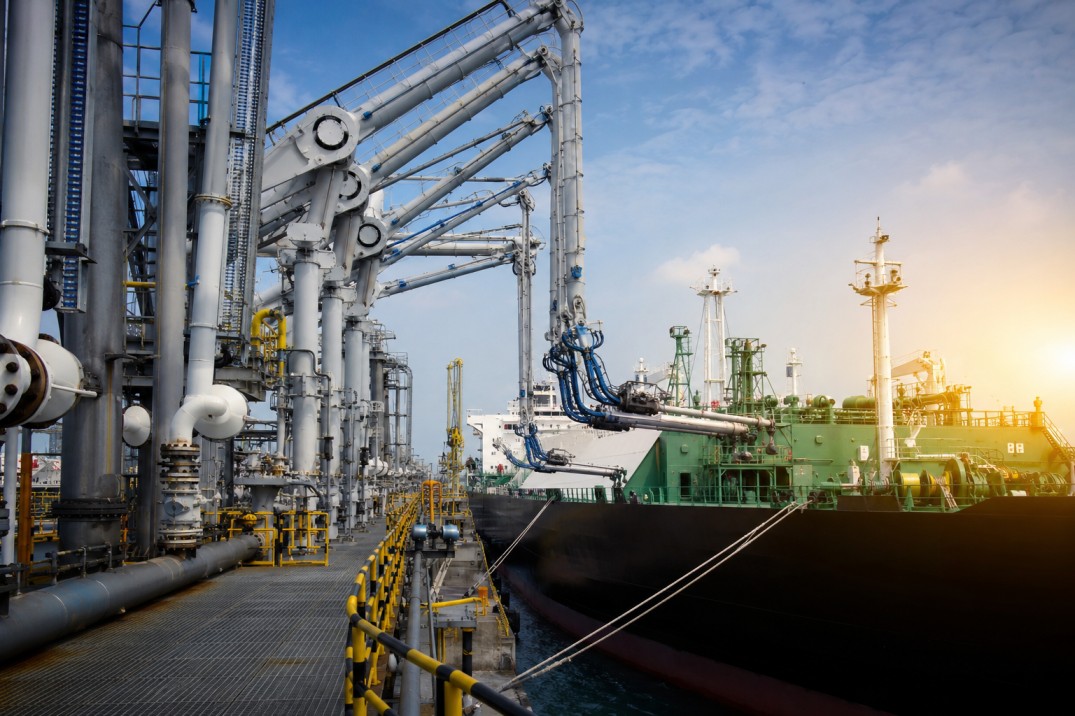
Marine loading arms are mechanical structures composed of articulated steel pipes and swivel joints, designed to transfer liquids or liquefied gases between vessels, such as tanker ships, and shore-based terminals.
They are designed to adjust to changing marine conditions, accommodating vessel movements from tides, wind, and waves during cargo operations. A typical arm consists of three main sections: the inner arm connects to the shore-side riser, the outer arm extends to the vessel, and the drop pipe connects to the vessel’s manifold. Swivel joints allow for movement in various directions, which helps to prevent stress on the piping system.
Types of Marine Loading Arms
Understanding the different types of marine loading arms is important before planning any installation project. The right choice depends on the type of fluid, port conditions, vessel characteristics, and operational needs.
By Control Mechanism
Manual loading arms are operated by personnel on the jetty and are suitable for low-volume operations that do not require automation. In contrast, hydraulic loading arms are powered by hydraulics, enabling remote operation. This feature makes them ideal for high-volume transfers and for use in hazardous areas. On the other hand, pneumatic loading arms are air-powered systems designed for specialized applications where hydraulic systems might be less effective.
By Application
Loading arms are designed for specific uses in the handling of various substances:
Oil and Petroleum: These loading arms are designed for transporting crude oil, diesel, fuel oil, and refined petroleum products.
Chemicals: Chemical loading arms are constructed from corrosion-resistant materials, ensuring safe handling of aggressive and reactive chemicals.
LNG and Cryogenic Substances: Specially insulated and made from low-temperature alloys, LNG loading arms manage the safe transfer of liquefied natural gas and other cryogenic materials.
LPG: LPG loading arms are pressure-rated systems, specifically designed for the safe transfer of liquefied petroleum gas.
By Loading Position
Bottom-loading arms are the most common setup in marine environments. They connect to a ship’s manifold from below deck level. Top-loading arms are mainly used for road and rail tankers with manholes located on the tops of their tanks.
According to Cryospain, all marine loading arms must meet ASME and OCIMF (Oil Companies International Marine Forum) standards to ensure safety and reliability in all operational situations.
Key Components of a Marine Loading Arm
A marine loading arm consists of several essential components that work together seamlessly. Swivel joints, such as Style 50, 40, and 80, enable rotation in various directions. The counterweight system, or spring balance cylinders, keeps the arm balanced for smooth movement. The Emergency Release System (ERS) allows for quick disconnection during emergencies to prevent spills.
Quick Connect and Disconnect Couplers (QCDC) facilitate fast connections to vessel manifolds, reducing downtime. The vapor recovery system captures volatile organic compounds to minimize emissions and ensure compliance. The hydraulic power pack delivers consistent force, and position monitoring systems utilize sensors to track the arm's positions, alerting operators of safety limits.
Why Marine Loading Arms Are Preferred Over Flexible Hoses
Marine loading arms are preferred over flexible hoses in the maritime industry for several reasons. They offer greater longevity due to their steel construction, lasting decades rather than just years. Loading arms handle higher flow rates, exceeding 500 cubic meters per hour, which is essential for large operations.
Their safety features, including emergency release systems and fail-safe mechanisms, significantly reduce accident risks compared to flexible hoses. Additionally, the robust connections lower the likelihood of spills, and integrated vapor recovery systems enhance environmental compliance. Modern loading arms are also automation-ready, allowing for efficient operation with minimal human intervention in hazardous areas.
The Marine Loading Arms Installation Process: Step by Step
Installing a marine loading arm involves several steps. It requires technical skills, careful engineering, and strict adherence to international standards. Here is an overview of the entire installation process.
Step 1: Site Assessment
Evaluate tides, waves, wind, vessels, jetty strength, and site hazards (e.g., temps, salt air). Guides all decisions.
Step 2: Select Arm
Match fluid type (oil/LNG/chemicals), flow/pressure, motion range, and temps. Ensure OCIMF/IMO compliance. Tekzone optimizes specs.
Step 3: Engineering & Planning
Create drawings for the structure, piping, and electrical systems. Develop an Installation Execution Plan (IEP) detailing the sequence, tools, and timeline.
Step 4: Civil/Structural Work
Build a concrete/steel base and pedestal with precise anchor bolts. Install riser pipe, valves, and instrumentation to tolerances.
Step 5: Mechanical Assembly
Lift the column/arms/drop pipe via cranes. Assemble/torque swivels, balance counterweights, align to the manifold, and install hydraulics.
Step 6: Electrical/Controls
Install sensors/limits, HMIs, and ERS wiring. Integrate with DCS/SCADA; add vapor recovery connections.
Step 7: Testing/Commissioning
Pressure/functional tests, ERS sims, envelope checks, leak tests, full integration. Fix issues before handover.
Step 8: Training/Handover
Train on ops, inspections, emergencies, and maintenance. Provide manuals, drawings, certs, and spares.
Safety Standards and Compliance
Members of the Legislative Assembly (MLAs) follow strict international regulations designed to protect individuals, assets, and the environment. Key standards include the following:
- OCIMF (4th Edition, 2019): This serves as the core guide for design, materials, fatigue, testing, safety systems, and maintenance.
- IMO: Focuses on global maritime safety, pollution prevention, and emergency preparedness.
- ASME: Establishes standards for pressure pipes and fittings under various operating and testing conditions.
- ISO: Covers quality, safety, and environmental management systems.
- Regional standards from the UAE and Saudi Arabia include specific requirements set by Saudi Aramco.
These regulations ensure high safety and quality standards across industries.
Ongoing Maintenance: Protect Your Investment
Proactive maintenance ensures the safety and longevity of your MLA.
- Daily: Visual checks for damage, leaks, corrosion, wear.
- Scheduled: Lubricate swivel joints; sample/test hydraulic fluid, replace filters/seals, test valves/cylinders.
- Regular: Functional ERS tests; inspect/reapply corrosion coatings (key in salt air).
- Every 3-5 Years: Full overhaul (dismantle, inspect, replace, reassemble).
Tekzone KSA offers comprehensive lifecycle services, including supply, installation, dismantling, overhauling, and maintenance.
Tekzone: A Leading Name in Marine Loading Arms Installation
Among the companies that have distinguished themselves in this highly specialized field, Tekzone Industrial Construction stands out as a premier marine loading arms installation company with operations spanning the UAE (Dubai, Abu Dhabi, and Ruwais) and Saudi Arabia (Jeddah, Eastern Province, and Central Province).
End-to-End Project Capability
Tekzone offers a comprehensive range of services, including engineering, procurement, installation, testing, and maintenance. This streamlines project management by reducing complexity and risk, ensuring accountability for the overall system quality.
Customized Solutions for Every Client
Tekzone understands that each port and fluid transfer operation is unique. Their engineering team collaborates with clients to design MLA systems tailored to specific vessel types, fluid characteristics, flow rates, site constraints, and regulatory requirements. This approach ensures each installation meets the distinct demands of its environment rather than relying on generic solutions.
Proven Project Track Record
Tekzone’s portfolio features complex marine loading arm projects, such as the DUGAS project, which involved dismantling four marine loading arms and installing two new units. This project showcased their expertise in managing high-stakes installations in live industrial settings.
Strict Compliance and Quality Assurance
Tekzone installations adhere to OCIMF, ASME, and other international standards. Our quality management framework ensures that quality is integrated into every project phase, backed by a team with over 25 years of experience in industrial construction.
Commitment to Environmental Sustainability
Tekzone implements environmental best practices, including vapor recovery systems that reduce emissions and design features that minimize release risks. This dedication to sustainability supports clients' environmental goals and enhances our reputation as a responsible contractor.
Broad Multi-Industry Expertise
Tekzone offers broad expertise across various sectors, including oil and gas, petrochemicals, refineries, chemicals, dairy, food, pharmaceuticals, and aluminum smelting. This diverse experience enhances marine loading arm projects with proven engineering practices and valuable insights.
Conclusion
Installing marine loading arms requires more than just mechanical engineering skills; it demands comprehensive technical knowledge, careful planning, strict adherence to safety standards, and a commitment to quality. As global trade expands and environmental regulations grow stricter, the need for expertly installed marine loading arm systems is expected to increase.
From site assessment to operator training and maintenance, each phase is essential for safe and efficient fluid transfer operations in ports and offshore terminals. Poor installation poses significant risks, including operational downtime and safety liabilities.
Choosing the right installation partner is crucial for terminal operators. Companies like Tekzone Industrial Construction combine engineering expertise, modern technology, and a client-focused approach to ensure long-term reliability and safety in marine loading arm installations. Whether establishing a new terminal, upgrading, or maintaining current assets, Tekzone provides comprehensive services across the Middle East and beyond.
Modern ports depend on highly efficient and safe fluid transfer systems to support global energy trade, petrochemical logistics, and LNG operations. Among the most critical components in this infra