Introduction
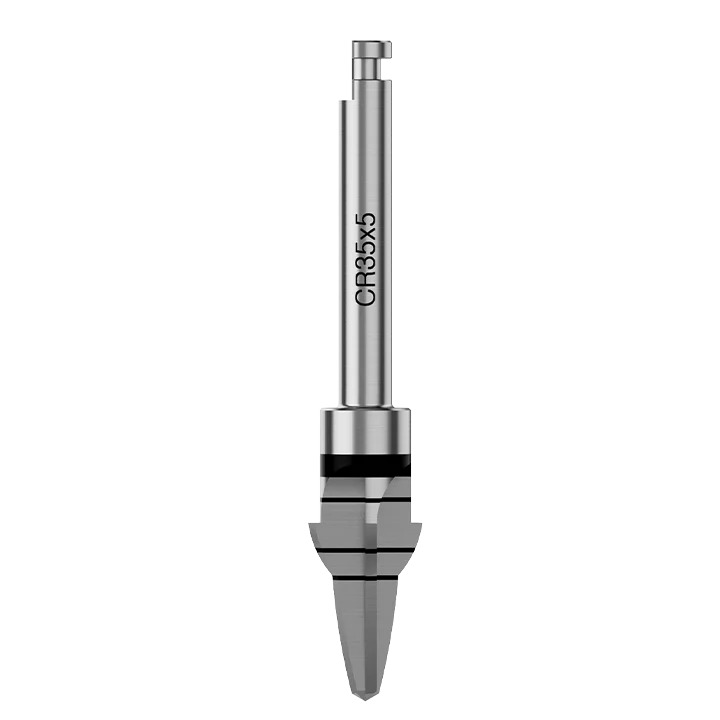
Cortical release drills are important tools used in modern dental implant surgery. They are specially designed to help dentists manage dense cortical bone during implant placement. Cortical bone is the hard outer layer of the jawbone. While it provides strength and support, it can sometimes make implant placement more challenging.
Cortical release drills help reduce excessive pressure in dense bone and allow for smoother implant insertion. By carefully releasing tension in the cortical layer, these drills improve control, reduce stress, and support better healing.
What Are Cortical Release Drills?
Cortical release drills are surgical drills designed to selectively widen or relieve the outer cortical layer of bone during implant site preparation. Unlike standard drills that prepare the full depth of the osteotomy, cortical release drills focus mainly on the top portion of the bone.
Their purpose is not to remove a large amount of bone but to create a controlled release in the dense outer layer. This helps reduce resistance when the implant is inserted.
Why Cortical Bone Can Be Challenging
The jawbone is made up of two main types of bone:
Cortical bone – the hard, dense outer layer
Cancellous bone – the softer inner bone
In some patients, especially in the lower jaw, the cortical bone can be very thick and dense. When an implant is inserted into very tight bone without proper preparation, it may cause:
Excessive pressure on the implant
Bone compression
Microfractures
Poor blood supply
Delayed healing
Cortical release drills help prevent these problems by carefully reducing stress in the dense bone layer.
How Cortical Release Drills Work
After the initial osteotomy is created with standard implant drills, a cortical release drill is used at the crestal (top) portion of the bone.
This step:
Slightly widens the cortical opening
Reduces insertion torque
Allows smoother implant placement
Minimizes unnecessary pressure
By doing this, the implant can seat more comfortably within the prepared site.
Benefits of Cortical Release Drills
1. Reduced Insertion Torque
High insertion torque may seem positive, but too much pressure can damage the surrounding bone. Cortical release drills help control torque levels, reducing the risk of bone stress.
2. Improved Bone Healing
When bone is not overly compressed, blood flow remains healthier. Good blood circulation is essential for osseointegration, the process where the implant fuses with the bone.
3. Better Implant Stability
Controlled bone expansion improves primary stability while preventing excessive compression. This balance is important for long-term success.
4. Lower Risk of Bone Damage
Dense bone can crack or develop microfractures under high pressure. By releasing cortical tension, these drills help protect the bone structure.
5. More Comfortable Surgical Procedure
For the clinician, implant placement becomes smoother and more predictable. Controlled insertion reduces sudden resistance or instability.
When Are Cortical Release Drills Used?
Cortical release drills are especially helpful in:
Patients with dense lower jawbone
Cases with thick cortical plates
Immediate implant placement
Situations where high insertion torque is expected
They are commonly used in areas where bone density is high (often classified as D1 or D2 bone quality).
Difference Between Standard Drills and Cortical Release Drills
Standard implant drills prepare the full depth and width of the implant site. They shape the bone according to the implant diameter.
Cortical release drills, on the other hand, mainly focus on the outer cortical layer. Their role is supportive rather than primary. They are part of a complete drilling sequence and are used after initial site preparation.
This combination approach ensures both strong support and safe pressure control.
Importance of Proper Technique
Like all surgical instruments, cortical release drills must be used correctly. Dentists should:
Follow the recommended drilling sequence
Use proper irrigation to prevent heat buildup
Avoid over-widening the cortical area
Monitor insertion torque carefully
Over-preparation can reduce implant stability, while under-preparation can create excessive pressure. Finding the right balance is key.
Role in Long-Term Implant Success
Successful dental implants depend on proper bone healing and strong integration. Excessive compression can reduce blood supply and increase bone resorption over time.
By using cortical release drills, dentists create a healthier environment for healing. Balanced pressure and controlled expansion support stable osseointegration and long-term function.
Patients benefit from:
Strong implant support
Reduced complications
Better healing
Long-lasting results
Advantages for Patients
Although patients may not see the technical details, they experience the results. Proper bone management leads to:
Less post-surgical discomfort
Lower risk of implant failure
Improved stability
Better long-term oral health
A well-planned and carefully executed procedure increases confidence and satisfaction.
Conclusion
Cortical release drills are valuable tools in modern dental implant surgery. They help manage dense cortical bone by reducing pressure and allowing controlled implant insertion.
By improving torque control, protecting bone health, and supporting better healing, these drills contribute significantly to successful implant outcomes. When used as part of a proper surgical protocol, cortical release drills enhance safety, stability, and long-term performance.
In today’s implant dentistry, precision and balance are essential. Cortical release drills provide exactly that — controlled bone expansion with improved predictability and care.

Team of dentists at Healthy Smiles are expert in dental implants and all on 4 implants surgery. To book an appointment, call on 03 9877 2035.