Withdrawing your provident fund after leaving a job should be straightforward—but for many people, it turns out to be confusing, delayed, or even rejected. From missing exit dates to KYC mismatches, small errors can block access to your hard-earned savings.
This guide explains how provident fund withdrawal works, who can withdraw, common mistakes, and how to avoid delays—so you can claim your EPF smoothly.
What Is Provident Fund Withdrawal?
Provident fund withdrawal refers to claiming the balance accumulated in your EPF account after leaving employment. The EPF corpus consists of:
Employee contribution
Employer contribution
Interest earned
You can either withdraw the amount or transfer it to a new employer’s PF account, depending on your employment status.
Who Can Withdraw Provident Fund?
You are eligible to withdraw your provident fund if:
You have been unemployed for at least 2 months
You have retired
You are leaving India permanently
You meet conditions for partial withdrawal (house purchase, medical emergency, education, marriage)
👉 If you join a new company, PF transfer is usually recommended instead of withdrawal.
How to Withdraw Provident Fund Online (Step-by-Step)
Here’s a simplified process for online EPF withdrawal:
Log in to the EPFO portal using your UAN
Ensure Aadhaar, PAN, and bank details are verified
Check that your date of exit is updated correctly
Select the withdrawal option (full or partial)
Submit the claim and track status online
In most cases, the amount is credited within 10–20 working days if there are no issues.
Common Reasons Provident Fund Withdrawal Gets Rejected
Many provident fund claims fail due to avoidable errors, such as:
Date of exit not updated by employer
Name mismatch between Aadhaar and PF records
Incomplete KYC
Multiple PF accounts not consolidated
EPS-related service history issues
These problems often require grievances, employer clarification letters, or manual follow-ups.
Tax Rules You Should Know
If you withdraw your provident fund before completing 5 years of service, the amount may be taxable
PAN not linked? TDS can be deducted at a higher rate
After 5 years of continuous service, PF withdrawal is tax-free
Understanding tax impact beforehand helps avoid surprises.
Should You Withdraw or Transfer Provident Fund?
Ask yourself:
Are you joining another company soon? → Transfer is better
Do you urgently need funds? → Withdrawal may make sense
Is your PF stuck due to past employer issues? → Expert help may be required
Each situation is different, and the right choice depends on your financial goals.
How FinRight Makes Provident Fund Withdrawal Simple
FinRight helps individuals resolve complex provident fund issues—especially cases involving rejections, employer non-cooperation, EPS errors, or long-pending claims.
Instead of guessing what went wrong, FinRight:
Audits your provident fund account
Identifies what is blocking withdrawal
Handles documentation, grievances, and follow-ups
This ensures your money reaches you with clarity, compliance, and confidence.
Provident fund withdrawal doesn’t have to be stressful. With the right information—and timely action—you can avoid delays and access your savings smoothly.
If your provident fund is stuck or repeatedly rejected, getting expert support early can save months of follow-ups and frustration.
Your money is yours. Make sure you’re able to claim it.

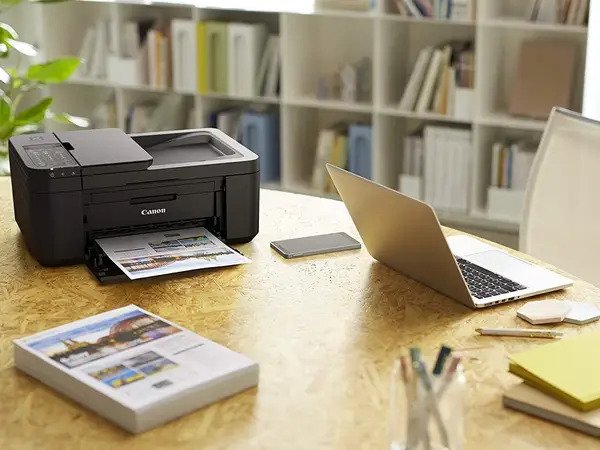
Get a complete simple user guide for the Canon-TR7520-setup online from the Printer Customer Support website.
We will offer you online support for the Canon Pixma TR7520 printer supports wireless printing but to use this functionality you need to do a wireless setup for your printer on your Windows device.
For more visit our website or call us at +1 (844) 972-1010