In B2B sales, many companies believe they simply need “more leads.”
However, the real issue is rarely volume. The real issue is misunderstanding the difference between MQLs, SQLs, and Sales Appointments — and failing to move prospects properly from one stage to the next.
If your CRM is full but your pipeline feels weak, this guide will clarify where the gap usually exists.
What Is an MQL (Marketing Qualified Lead)?
A Marketing Qualified Lead (MQL) is someone who has shown interest in your business but is not yet ready to engage with your sales team.
They have interacted with your marketing efforts — not your sales department.
Common examples of MQL behavior include downloading a whitepaper, filling out a website form, subscribing to a newsletter, clicking multiple email campaigns, engaging with LinkedIn content, or visiting your pricing page several times.
MQLs are typically generated through SEO, Google Ads, LinkedIn Ads, Meta Ads, content marketing, and webinars.
The most important thing to understand is this:
An MQL shows curiosity, not commitment.
This is where many businesses make a costly mistake. They pass MQLs directly to sales without proper qualification, expecting immediate conversion. But interest alone does not equal buying intent.
What Is an SQL (Sales Qualified Lead)?
A Sales Qualified Lead (SQL) is an MQL that has been properly evaluated and demonstrates genuine buying intent.
The transition from MQL to SQL usually happens through human interaction — not automation.
This qualification may occur via telemarketing calls, discovery conversations, SDR outreach, LinkedIn conversations, or structured email follow-ups.
An SQL typically confirms that the prospect has budget availability, decision-making authority, a clear business problem, a defined timeline, and genuine interest in discussing solutions.
Unlike an MQL, an SQL is not just browsing — they are considering taking action.
This stage requires structured questioning and real conversation. Automation tools can assist, but they cannot fully qualify complex B2B prospects on their own.
What Is a Sales Appointment?
A Sales Appointment is a confirmed meeting between your company and a qualified decision-maker.
It includes an agreed date and time, a calendar invitation, clarity about the purpose of the meeting, confirmation of relevant stakeholders, and preparation from the sales team.
A sales appointment is not just a lead.
It is a scheduled revenue opportunity.
This is where professional appointment setters create significant value. Their role is to convert qualified leads into confirmed meetings, ensuring your sales team speaks only with serious prospects.
Without appointment setting, even strong SQLs may never turn into structured opportunities.
Why Most B2B Companies Struggle
A common scenario looks like this:
Marketing generates hundreds of leads. Sales receives them immediately. Follow-ups are inconsistent. Many prospects do not respond. Sales blames marketing for poor quality leads. Marketing blames sales for weak follow-up.
The real problem is the missing transition between MQL, SQL, and Sales Appointment.
When MQLs are treated like SQLs, sales teams waste time on unqualified prospects. When SQLs are not converted into scheduled meetings, pipeline momentum disappears.
This leads to low conversion rates, frustration between teams, wasted marketing budget, and unpredictable revenue.
How High-Performing B2B lead generation Teams Structure the Funnel
High-performing organizations clearly separate responsibilities.
Marketing focuses on generating awareness and engagement, producing MQLs.
SDRs or telemarketing teams then qualify those MQLs into SQLs through structured conversations.
Appointment setters take validated SQLs and secure confirmed meetings.
Closers then focus exclusively on presenting, negotiating, and converting opportunities into revenue.
This structured approach increases efficiency, improves conversion rates, strengthens pipeline predictability, and maximizes return on ad spend.
Why Telemarketing and Appointment Setting Matter?
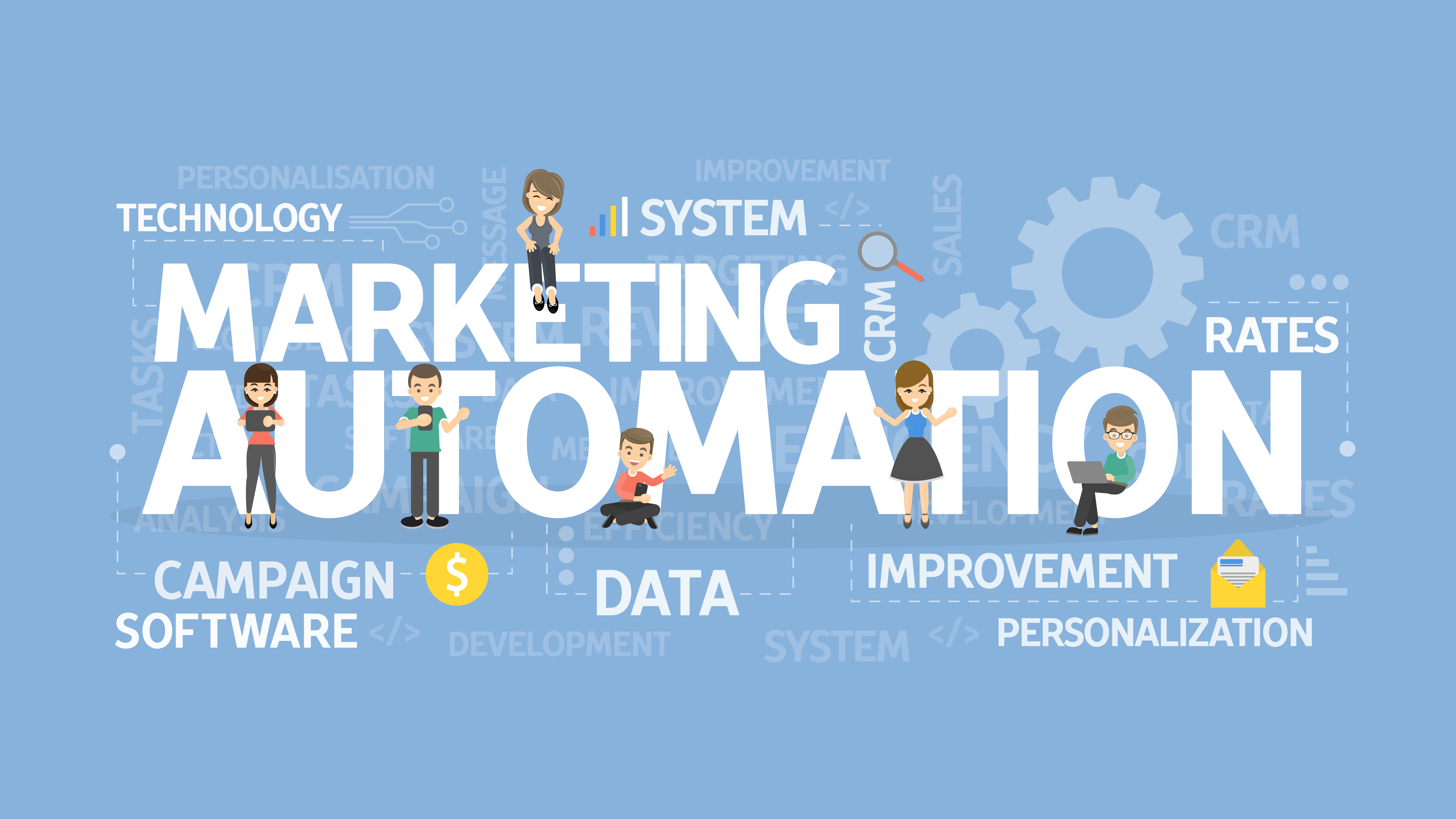
Many businesses rely heavily on automation — email sequences, LinkedIn automation tools, and CRM workflows.
While automation increases reach, it does not replace human qualification.
A real conversation allows you to understand pain points, confirm authority, identify urgency, validate the budget, and move prospects toward commitment.
Without human follow-up, most MQLs remain passive.
Telemarketing transforms interest into intent.
Appointment setting transforms intent into opportunity.
Together, they create momentum inside the sales funnel.
A Practical Funnel Example
Imagine you generate 200 MQLs through paid ads.
Out of those, 60 respond to follow-ups.
30 show potential interest.
15 qualify as SQLs.
8 agree to meetings.
3 convert into clients.
If you fail to separate these stages, you may assume that 200 leads “didn’t work.”
In reality, the funnel performed as expected — but only because qualification and appointment setting were properly structured.
Without that structure, those 200 leads would likely have produced little to no revenue.
Final Takeaway
The simplest way to understand it is this:
An MQL is interested.
An SQL is qualified.
A Sales Appointment is a scheduled opportunity.
Leads alone do not generate revenue.
Conversations generate clarity.
Appointments generate predictable growth.
If your pipeline feels inconsistent, the issue is rarely marketing alone. It is usually the missing qualification and appointment layer between marketing and closing.
The companies that scale fastest are not those generating the most leads — they are the ones structuring their funnel correctly and moving prospects through each stage with discipline and intention.