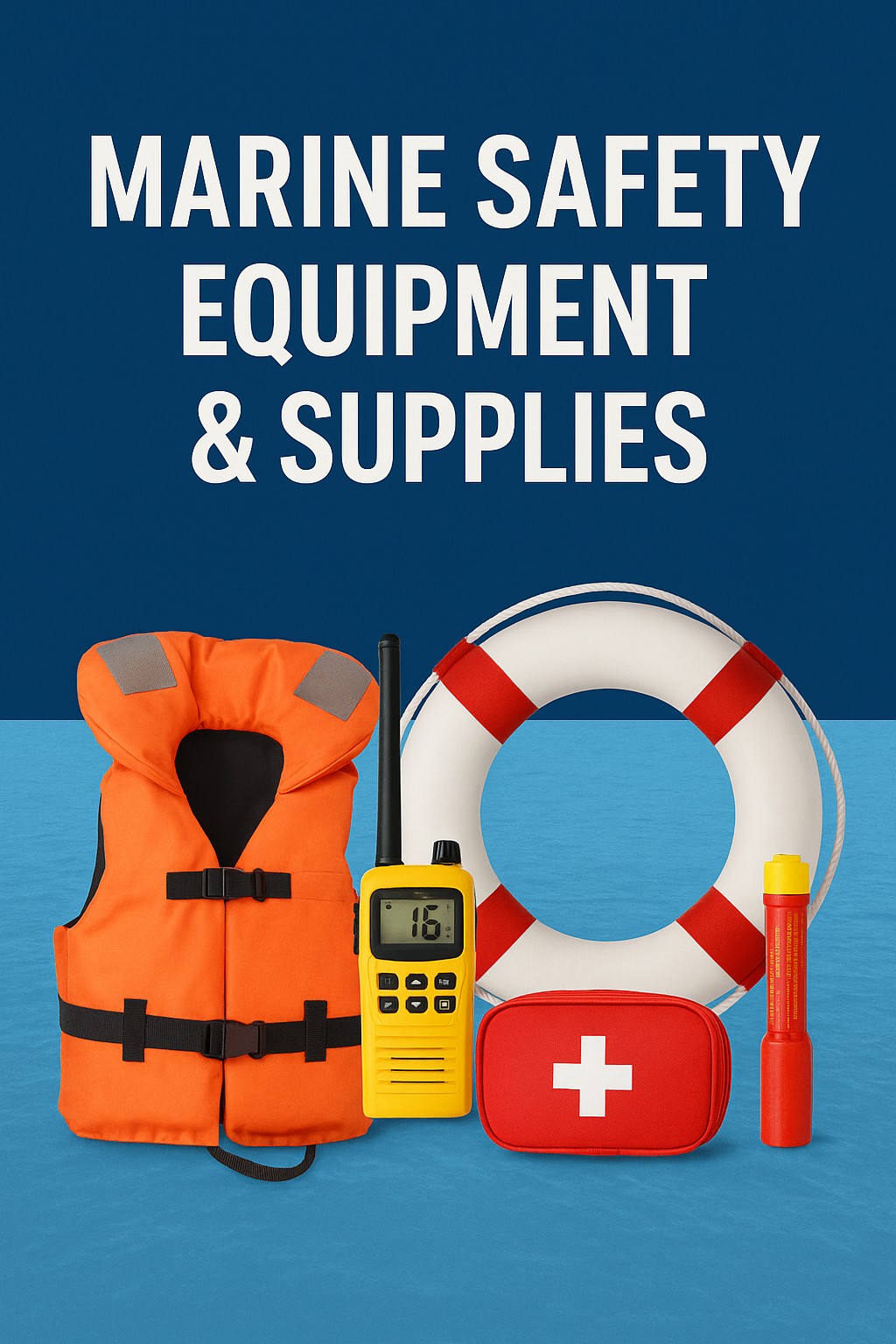
Safety at sea is built on preparation. Whether operating a commercial vessel, fishing boat, or private yacht, carrying certified marine safety equipment is essential for protecting lives and meeting regulatory requirements. Among the most critical items onboard are Distress Flares and high-quality lifejackets for sale, both of which play a vital role during emergencies.
The ocean is unpredictable. Weather conditions can change rapidly, visibility may drop, and unexpected mechanical issues can arise. Proper safety equipment ensures that when challenges occur, your crew is ready to respond effectively.
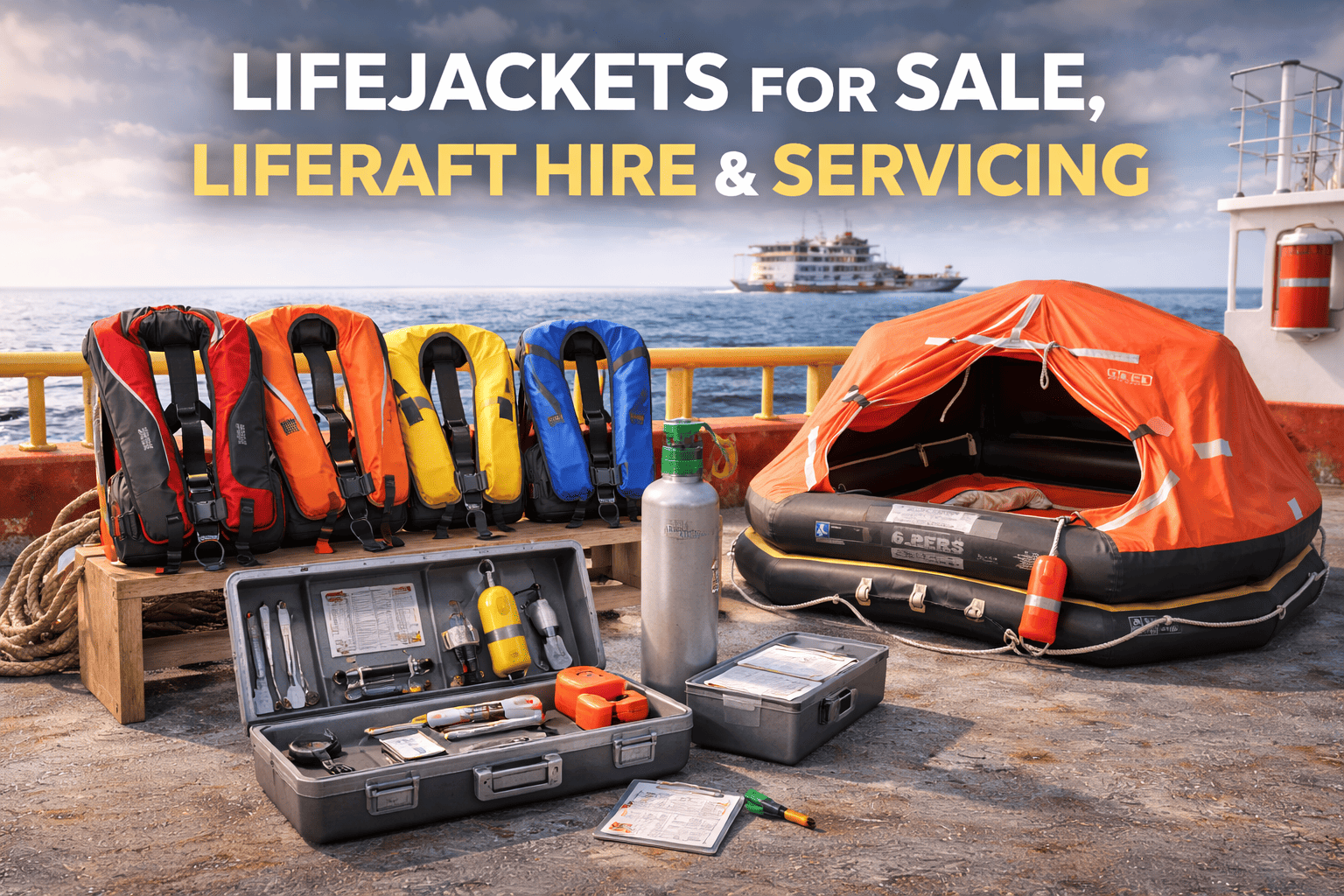
Lifejackets for Sale: The First Line of Protection
A lifejacket is the most fundamental piece of marine safety gear. In man-overboard situations or vessel evacuations, immediate flotation significantly increases survival chances.
When searching for lifejackets for sale, vessel operators should consider:
Proper buoyancy rating (100N, 150N, or 275N depending on activity)
- SOLAS approval for commercial compliance
- High-visibility colors and reflective tape
- Comfortable fit for extended wear
- Whistle and safety light attachments
Modern lifejackets are designed to keep an unconscious person face-up in the water, reducing the risk of drowning. Inflatable models provide comfort for active crew members, while foam lifejackets offer durability and low maintenance.
Ensuring the correct size and fit for every passenger onboard is not only good practice—it is often a legal requirement.
Distress Flares: Visual Signaling That Saves Lives
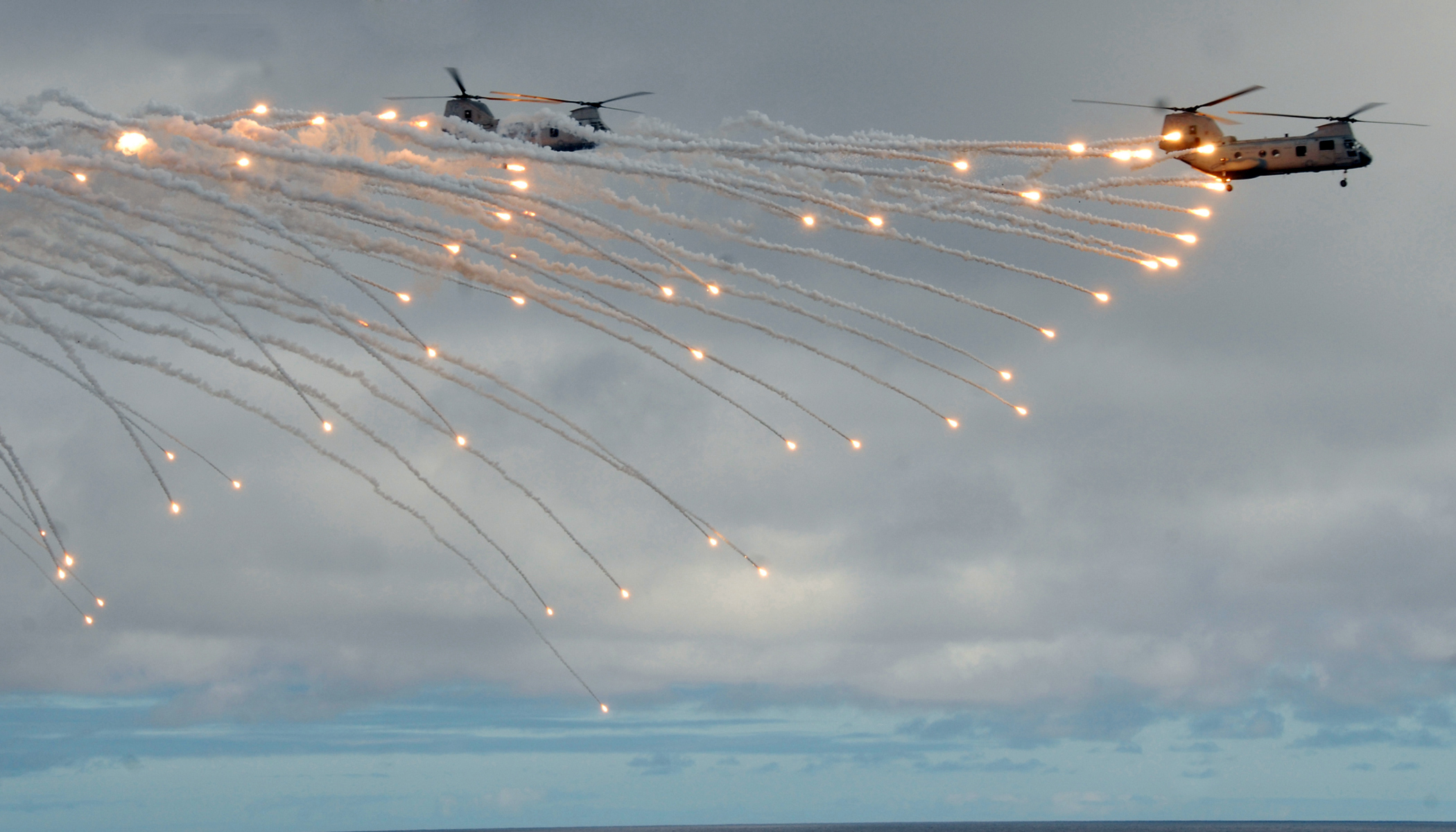
While communication systems are critical, visual distress signals remain one of the most reliable ways to attract attention during emergencies. Distress Flares are designed to signal nearby vessels, aircraft, and rescue teams when immediate assistance is required.
There are several types of marine distress flares:
- Handheld flares – Bright red light for close-range signaling
- Parachute rocket flares – High-altitude visibility over long distances
- Smoke signals – Daytime visibility for search and rescue operations
In emergency situations such as engine failure, collision, or sinking, flares provide a clear and internationally recognized distress signal.
However, flares must be stored correctly, kept dry, and replaced before expiration. Expired flares may fail to ignite or burn incorrectly, compromising safety.
Why Certified Marine Safety Equipment Matters
Marine safety equipment should always comply with recognized international standards. The International Maritime Organization sets global safety regulations under the SOLAS (Safety of Life at Sea) convention.
Certified equipment ensures:
- Reliable performance in extreme marine conditions
- Compliance during inspections and audits
- Increased crew safety
- Reduced liability risks
Using substandard or non-certified products may lead to penalties and, more importantly, increase danger during emergencies.
Building a Complete Onboard Safety System
While lifejackets for sale and Distress Flares are essential, they should be part of a broader marine safety plan that may include:
Lifebuoys with floating lines
- VHF marine radios
- EPIRBs (Emergency Position Indicating Radio Beacons)
- Fire extinguishers
- First aid kits
- Emergency lighting
Layered safety systems provide redundancy, ensuring that if one method fails, another remains available.
Maintenance and Preparedness
Owning marine safety equipment is only the first step. Regular inspection and crew training are equally important. Vessel operators should:
- Check flare expiration dates
- Inspect lifejackets for wear or damage
- Conduct emergency drills
- Ensure easy access to all safety gear
Preparation reduces panic and improves response time during real emergencies.
Conclusion:
Investing in certified marine safety equipment, including reliable Distress Flares and properly fitted lifejackets for sale, is a responsibility every vessel owner must take seriously. These tools are not just regulatory requirements—they are lifesaving essentials.
At sea, preparedness is protection. Equip wisely, maintain regularly, and ensure every voyage begins with safety as the top priority.