You may not notice any changes at first. Yet diabetes quietly weakens blood vessels in your retina. Diabetic retinopathy begins with background changes and can lead to vision loss if you ignore it. Here you break the disease into non-proliferative and proliferative stages. Clear explanations show how microaneurysms evolve into neovascularization. Risks rise at every step. Early detection through expert care protects your sight every time.
Recent 2024 data from the CDC shows nearly 9.6 million Americans live with diabetic retinopathy. That equals about 26 percent of adults with diabetes. You see why regular checks matter so much right now.
Do Background Changes Signal the Start of Trouble for You?
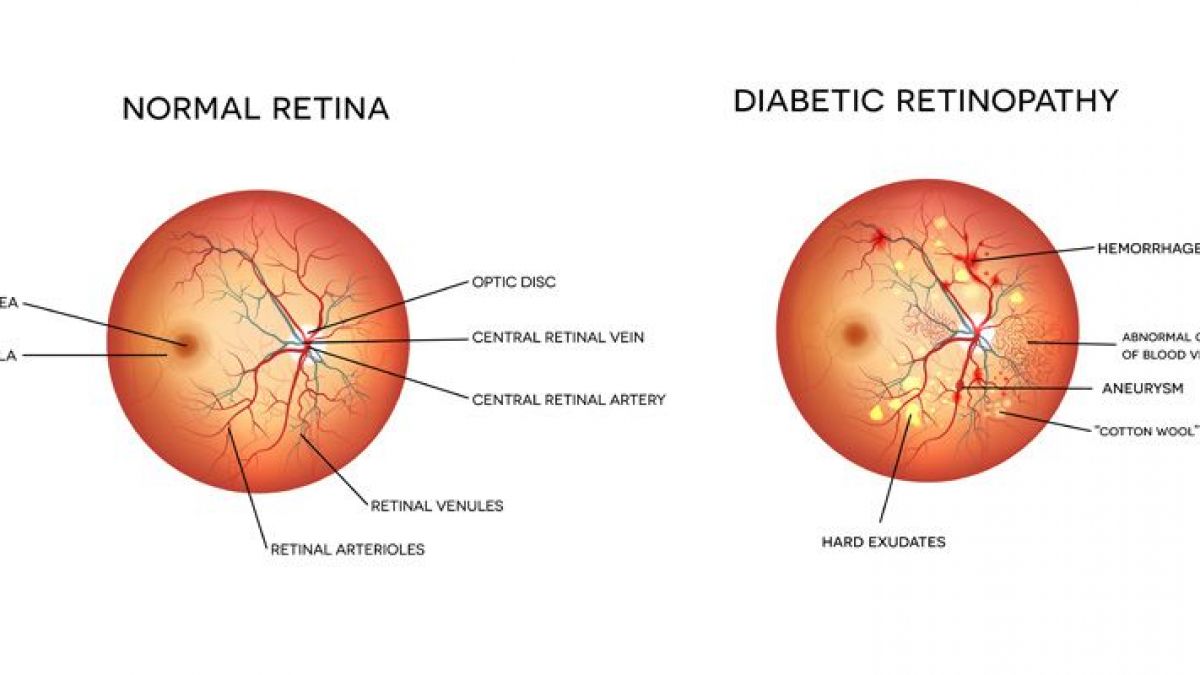
In the earliest background phase of non-proliferative diabetic retinopathy, you develop microaneurysms. These tiny balloon-like swellings in retinal blood vessels leak small amounts of fluid or blood. Most people notice no symptoms at all. Yet these changes set the stage for bigger problems ahead. Dilated eye exams reveal them clearly during your visit. You take simple action here and slow or stop advancement with better diabetes control.
How Do Moderate and Severe Non-Proliferative Stages Build Up Damage?
Moderate non-proliferative adds more hemorrhages and microaneurysms across one to three retinal quadrants. Hard exudates and cotton-wool spots appear as signs of leakage and blocked blood flow. Severe non-proliferative follows the 4-2-1 rule with heavy bleeding in four quadrants, venous beading in two, or IRMA in one. Your central vision may blur if the macula swells. These non-proliferative stages stay free of new vessels. Still, the risk of moving forward jumps sharply without tight blood-sugar management.
When Does Your Retina Turn to Proliferative Danger?
Oxygen starvation in the retina prompts your body to grow fragile new vessels. This marks the proliferative stage of diabetic retinopathy. Neovascularization forms on the optic disc or elsewhere. These vessels rupture easily and bleed into the vitreous gel. Scar tissue then pulls the retina away. You suddenly see floaters, flashes, or dark areas. Without quick help, permanent vision loss becomes likely. Picture your retina like a camera film that diabetes fogs up slowly until it tears.
What Specific Risks Threaten Your Eyes at Each Point?
Mild non-proliferative carries low immediate risk but progresses steadily if sugar stays high. Moderate stage raises your chance of macular edema and noticeable blur. Severe non-proliferative brings a 50 percent risk of advancing to proliferative within one year. Proliferative stage leads to vitreous hemorrhage or retinal detachment in many untreated cases. You lower every risk through steady lifestyle choices and the right medical steps.
How Do Expert Services Guard Your Vision Right Now?
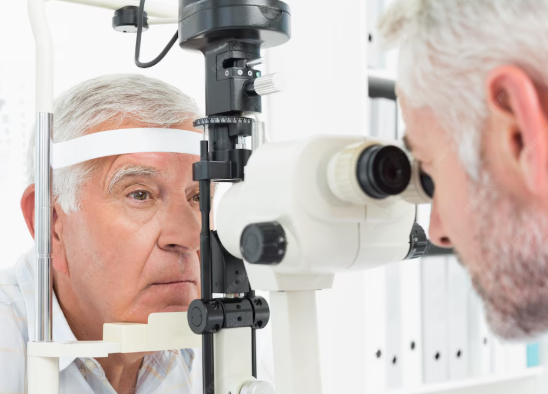
You receive comprehensive eye exams and screenings that catch diabetic retinopathy early, plus checks for glaucoma and macular degeneration. Advanced cataract surgery uses premium lens options for sharper results after the procedure. In-office laser procedures seal leaking vessels effectively and safely in one visit. Medical experts also provide minimally invasive glaucoma surgery and refractive surgery such as LASIK and PRK when you need vision correction. Dry eye treatment keeps your eyes comfortable daily. Experts handle corneal diseases and surgical care too, helping with issues like scratched cornea symptoms that diabetes can worsen through dryness.
What Steps Secure Your Sight Today and Tomorrow?
You wonder how to stay safe long term? Control your blood sugar, pressure, and cholesterol every day. Attend yearly dilated exams or more frequent ones if needed. Trained medical professionals create a plan that fits your exact stage and lifestyle. Laser treatments and injections stop progression fast when caught early.
Last Note
You now grasp how diabetic retinopathy advances from non-proliferative stages with background vessel changes and microaneurysms to proliferative neovascularization and potential vision loss. The path is clear, and so is the solution. Act early with professional help to protect your eyes. Book your comprehensive exam today and enjoy a lasting, healthy vision for life.