




In the world of water purification, we often focus on the "brawn"—the high-pressure pumps and the membrane's physical barrier. But the "brain" of the operation is the water's chemistry, specifically its pH level.
The pH isn't just a number on a scale; it acts as a silent conductor, determining the membrane's electrical charge and the solubility of the minerals trying to clog it. If Reverse Osmosis (RO) is the gatekeeper, pH is the set of instructions that tells the gate how wide to open and which "guests" to turn away.
1. The Interface: Membrane Surface Chemistry
Most modern RO systems use a Thin-Film Composite (TFC) membrane. This membrane is a complex polymer, usually with a top layer of polyamide. This layer is highly sensitive to the acidity or alkalinity of the surrounding water.
Zeta Potential: The electrical charge at the membrane's surface. Depending on pH, the membrane can shift from positively to negatively charged.
Ion Rejection: If the membrane and a contaminant (like a nitrate or sulfate ion) both carry a negative charge, they repel each other. Proper pH management ensures the membrane maintains the specific charge required to effectively "push away" impurities.
2. Acidic Adventures: The Low pH Hazard
When water becomes too acidic (low pH), there is an excess of hydrogen ions. While this might sound harmless, it creates two major problems for your system:
Chemical Hydrolysis: Acidic water is "hungry." It can slowly degrade the delicate polyamide chains that make up the RO membrane. This structural damage is often irreversible, leading to a permanent drop in the system's ability to reject salt and contaminants.
Charge Neutralization: At very low pH, the negative charge on the membrane surface is neutralized by the abundance of H+ ions. Without that "repelling" force, rejection rates for certain ions can drop significantly, even before structural damage occurs.
3. Alkaline Adversaries: High pH and the "Scaling" Crisis
At the opposite end of the spectrum, alkaline water (high pH) can cause a "crusty" problem known as scaling.
Mineral Precipitation: High pH levels decrease the solubility of minerals like calcium carbonate and magnesium. Instead of staying dissolved in the water, these minerals "crash out" and form a hard, stony layer on the membrane surface.
Reduced Permeability: This scale acts like a physical blanket, blocking the membrane's microscopic pores.
Energy Inefficiency: To force water through this mineral crust, the pumps have to work much harder. This leads to increased energy consumption and a drastic drop in the amount of purified water (flux) the system produces.
4. Striking the "Sweet Spot"
Achieving peak efficiency requires staying in the "Goldilocks Zone" of water chemistry.
The Ideal Range: Most TFC membranes are engineered to perform best within a pH range of 6.5 to 7.5.
Why this works: This range is high enough to avoid the corrosive effects of acidic hydrolysis, but low enough to keep calcium and other "scaler" minerals in a dissolved state. It ensures the membrane lasts for years rather than months.
5. Real-World Optimization in Industry
Large-scale water treatment plants and desalination facilities don't leave pH to chance. They use several strategic tools:
Acid Dosing: Injecting small amounts of sulfuric or hydrochloric acid into the "feedwater" to bring the pH down to an optimal level before it hits the membrane.
Antiscalants: Specialized chemicals that allow a system to operate at slightly higher pH levels without forming scale, providing a "safety buffer" for the membrane.
Real-Time Monitoring: Using digital probes to constantly adjust the water chemistry as the source water quality fluctuates.
Conclusion: Protecting the Gatekeeper
Understanding the relationship between pH and your RO membrane is the difference between a high-performance system and a costly maintenance nightmare. By managing the acidity of your feedwater, you aren't just cleaning water—you are preserving the structural integrity of the technology that makes pure water possible.
Are you looking for the best RO water provider in Chennai?
We, “Clearflo Technologies,” effectively provide the best RO water purifier in Chennai.
Have any queries about the water treatment process?
Clearflo’s expert team is here to solve all your queries.
Do contact us: https://clearflo.in/contact-us.html


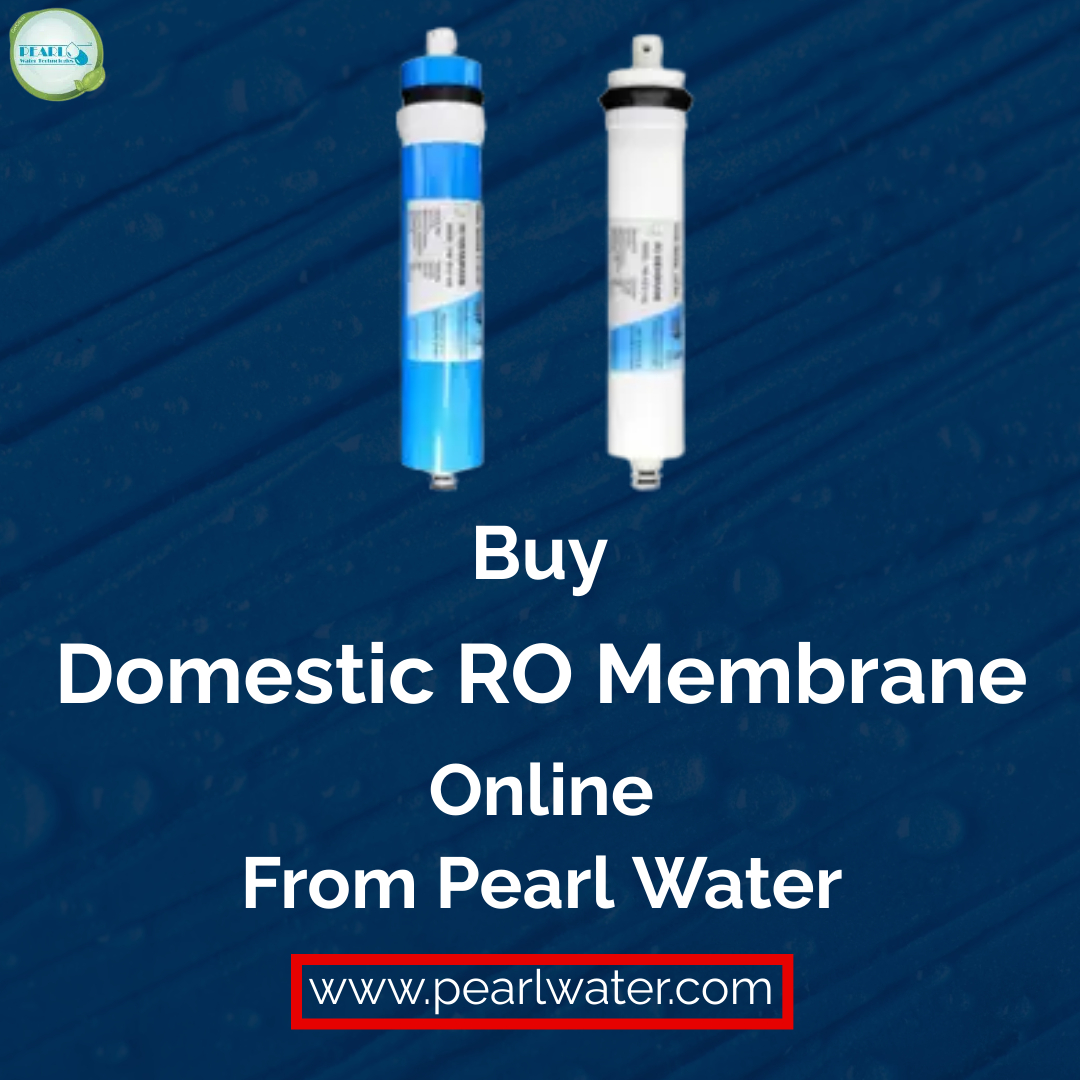

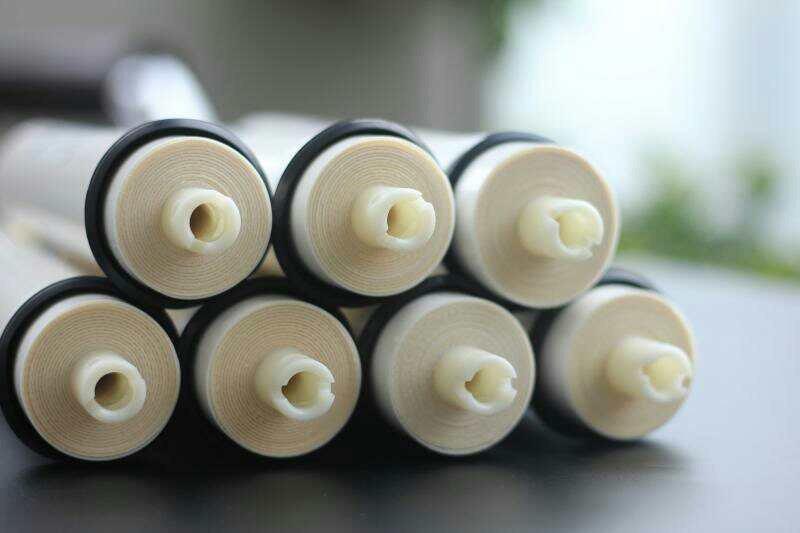
HJC India is reputed Ro Membrane Manufacturer in India.
Our RO membranes are of the high quality with no complain within them.
All of them come with high operational efficiency and are available at affordable rates.
Before we start producing the membranes, our group of experienced analysts does proper research on different latest technologies in order to get the excellent product supply to client.
For more details, visit our website link - https://hjc-india.com/