


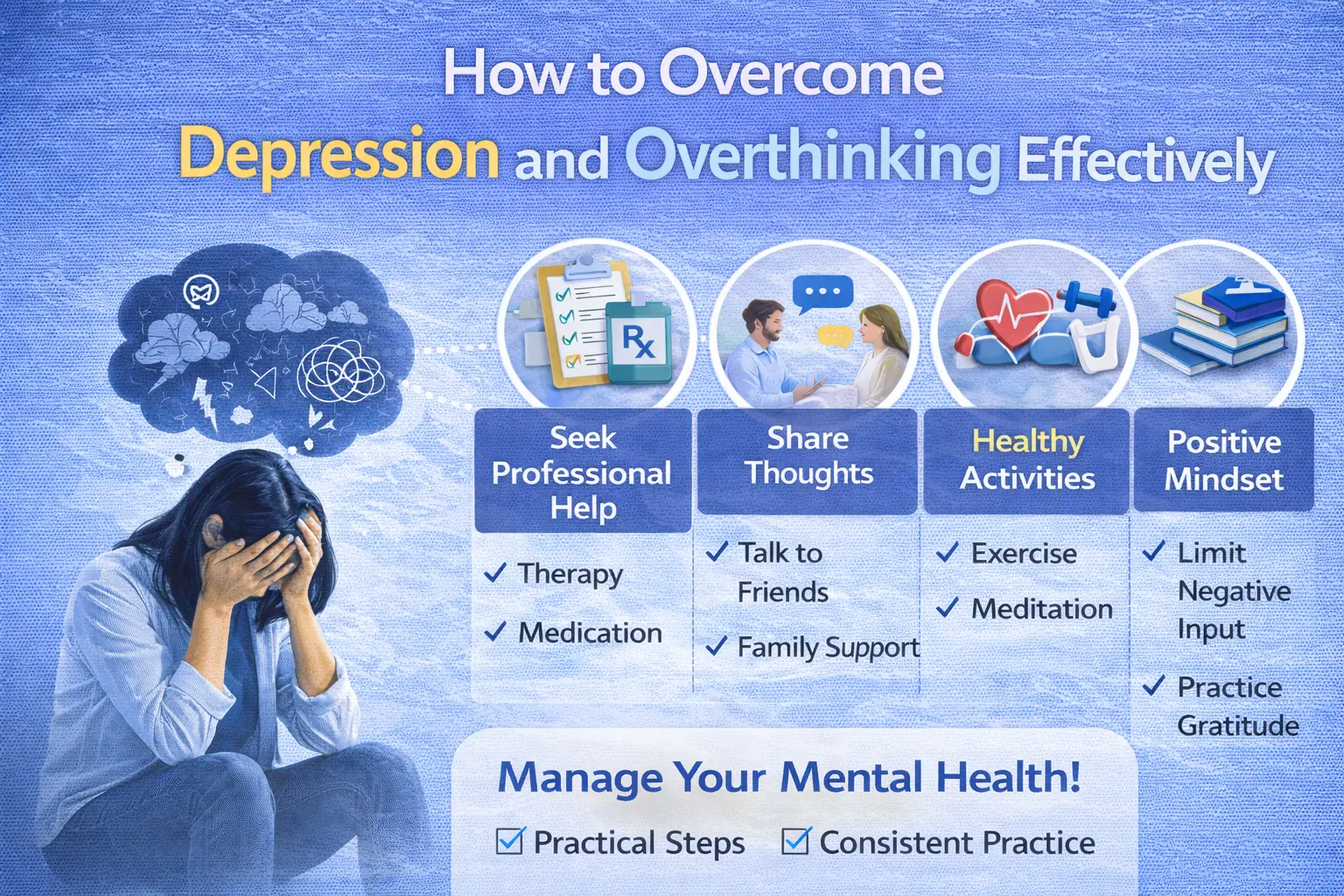
Struggling with persistent sadness and constant mental rumination can feel overwhelming, but structured care and coping strategies can make a significant difference. Many individuals find relief through Online Depression Treatment, which combines professional guidance, therapy, and medication management with flexible access to care. Overcoming depression and overthinking requires a balanced approach that addresses emotional patterns, thought processes, daily habits, and underlying biological factors.
Understanding the Link Between Depression and Overthinking
Depression often fuels repetitive negative thoughts. Overthinking may involve replaying past events, worrying about the future, or constantly questioning decisions. This mental loop can intensify feelings of hopelessness, guilt, and anxiety. Over time, rumination drains emotional energy and reinforces depressive symptoms.
Breaking this cycle requires recognizing that overthinking is not a personality flaw—it is a learned cognitive pattern that can be modified with the right tools.
Step 1: Identify Thought Patterns
The first step toward change is awareness. Notice when your thoughts become repetitive or overly critical. Common depressive thinking patterns include:
Catastrophizing (“Everything will go wrong.”)
Mind-reading (“They must think badly of me.”)
All-or-nothing thinking (“If I fail once, I’m a failure.”)
Excessive self-blame
Writing down recurring thoughts can help you identify triggers and emotional themes. Awareness reduces the power of automatic negative thinking.
Step 2: Practice Cognitive Restructuring
Cognitive Behavioral Therapy (CBT) techniques are highly effective for managing both depression and overthinking. This involves:
Challenging distorted thoughts
Asking for evidence supporting or contradicting a belief
Replacing extreme conclusions with balanced alternatives
For example, instead of “I always mess things up,” reframe it to “I made a mistake, but I can learn from it.” Consistent practice helps retrain the brain toward healthier thinking patterns.
Step 3: Set Small, Achievable Goals
Depression often reduces motivation and energy. Large tasks may feel impossible, which increases overthinking and avoidance. Instead:
Break tasks into smaller steps
Set daily achievable goals
Celebrate small accomplishments
Focus on progress, not perfection
Action reduces rumination. Even small behavioral changes can shift mood patterns over time.
Step 4: Limit Rumination Time
Designating a “worry window” can prevent thoughts from dominating the entire day. Set aside 15–20 minutes daily to process concerns intentionally. When intrusive thoughts arise outside this window, gently remind yourself you’ll revisit them later. This technique trains the mind to reduce constant mental looping.
Step 5: Improve Sleep and Routine
Sleep disruption worsens both depression and overthinking. Establish:
Consistent bedtime and wake times
Reduced screen exposure before sleep
Relaxation routines such as reading or deep breathing
A calm, dark sleep environment
Stable daily rhythms help regulate mood and reduce emotional reactivity.
Step 6: Move Your Body
Physical activity significantly improves depressive symptoms. Exercise:
Releases endorphins
Reduces stress hormones
Improves cognitive clarity
Enhances sleep quality
You don’t need intense workouts—daily walks, stretching, or yoga can be powerful tools against overthinking.
Step 7: Practice Mindfulness
Mindfulness helps you observe thoughts without engaging in them. Techniques include:
Deep breathing exercises
Body scans
Guided meditation
Grounding techniques (5-4-3-2-1 sensory method)
Instead of fighting thoughts, mindfulness teaches you to let them pass without attachment.
Step 8: Strengthen Social Connections
Isolation fuels depression. Reaching out—even briefly—to trusted friends or family members can reduce emotional burden. Social interaction interrupts rumination and reminds you that support is available.
If in-person interaction feels overwhelming, virtual therapy or online support groups provide accessible alternatives.
Step 9: Consider Professional Support
When depression and overthinking persist beyond two weeks, interfere with work or relationships, or include thoughts of self-harm, professional care is essential. Treatment options may include:
Individual therapy
Medication management
Combination therapy approaches
Telehealth psychiatric services
Medication may help regulate mood chemicals, while therapy addresses cognitive and emotional patterns.
Step 10: Monitor Progress Consistently
Track mood changes, sleep patterns, and triggers. Monitoring helps identify improvements and areas needing adjustment. Structured follow-ups with a provider ensure continued progress and prevent relapse.
When to Seek Immediate Help
Seek urgent care if you experience:
Suicidal thoughts
Severe mood swings
Inability to perform daily tasks
Extreme withdrawal from others
Early intervention leads to better outcomes and prevents complications.
The Role of Online Mental Health Care
Online psychiatric services provide accessible, flexible treatment for depression. Virtual appointments reduce barriers such as transportation, scheduling conflicts, and stigma. Consistent follow-up improves medication adherence and therapy engagement.
Telehealth platforms also allow patients to maintain privacy while receiving structured, evidence-based care.
Frequently Asked Questions
Can overthinking cause depression?
Overthinking does not directly cause depression but can intensify and prolong depressive symptoms.
How long does recovery take?
Improvement may begin within weeks, but full recovery depends on severity, treatment consistency, and individual factors.
Is medication always required?
Not always. Mild cases may respond to therapy alone, while moderate to severe depression often benefits from combined treatment.
Does online therapy work?
Yes. Research shows that online therapy can be as effective as in-person treatment for many individuals.
Final Thoughts
Overcoming depression and overthinking requires patience, structure, and professional support when needed. By addressing cognitive patterns, improving daily routines, strengthening social connections, and engaging in therapy, individuals can regain emotional balance and clarity. If you are seeking flexible, professional mental health care tailored to your needs, working with Serenity Telehealth can provide accessible guidance, therapy, and medication management to support your long-term recovery journey.






Telehealth applications allow users to use the online mode of personal doctor visits.
This is the reason why so many organizations are going towards the development of telehealth applications.
These apps are feature-rich, and if one builds theirs with perfection, they can yield amazing results.
we have mentioned telehealth; and how different telemedicine and telehealth are.
We also mentioned the features and costs of developing a telehealth application.