Dental health is an essential part of overall well-being. One condition that often goes unnoticed until significant damage occurs is external resorption. Understanding this dental issue, its causes, symptoms, and treatment options can help you take proactive steps to protect your teeth. In this article, we will explore all aspects of external resorption and share guidance to maintain a healthy smile.
What Is External Resorption?
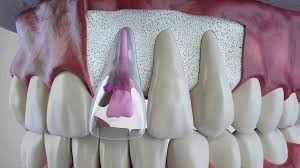
External resorption is a condition in which the outer surface of a tooth begins to break down or dissolve. This process often starts at the root and progresses toward the crown, potentially compromising the tooth's structure and stability. Unlike cavities, which affect the enamel, external resorption targets the root surface, making it harder to detect during routine dental check-ups.
This condition can occur due to a variety of factors, including trauma to the tooth, chronic infections, orthodontic treatments, or systemic health issues. Because external resorption often progresses silently, early detection through regular dental examinations is critical for effective management.
Common Causes of External Resorption
Several factors contribute to the onset of external resorption. One of the most common causes is dental trauma, such as a tooth being knocked out or severely impacted. Orthodontic treatments that apply excessive pressure on teeth can also initiate resorption in susceptible individuals.
Other contributors include chronic infections around the tooth root, inflammatory conditions, or even pressure from impacted teeth. Additionally, certain systemic conditions, like hormonal imbalances, may make some people more prone to external resorption. Understanding these causes is key to preventing further damage and maintaining long-term dental health.
Recognizing the Symptoms Early
Identifying external resorption early can be challenging because the process is often painless in its initial stages. Common indicators may include subtle changes in tooth color, increased mobility, or minor discomfort when biting. Advanced cases may result in noticeable swelling, sensitivity, or even visible defects in the tooth structure.
Regular dental check-ups and X-rays are essential tools for detecting ex ternal resorption before it causes irreversible damage. In addition, practicing Dental Care Tips & Expert Advice for Healthy Teeth can help strengthen surrounding tissues and reduce the risk of progression. By combining early detection with preventive care, you can preserve your natural teeth and avoid more invasive procedures.
Treatment Options for External Resorption
Treatment for external resorption depends on the severity and location of the affected tooth. In mild cases, monitoring the tooth with regular X-rays and maintaining excellent oral hygiene may suffice. For more advanced situations, dental interventions such as root canal therapy or surgical procedures may be necessary to remove damaged tissue and restore tooth integrity.
Sometimes, extraction becomes unavoidable if the resorption compromises the structural stability of the tooth. Following treatment, patients should adhere to Dental Care Tips & Expert Advice for Healthy Teeth to prevent recurrence and support the healing process. Your dentist may also recommend protective measures such as night guards if bruxism (teeth grinding) is a contributing factor.
Preventive Measures and Maintaining Healthy Teeth
While not all cases of external resorption can be prevented, proactive steps can significantly reduce risk. Maintaining regular dental visits, using fluoride toothpaste, and avoiding excessive force on teeth during sports or orthodontic treatment are crucial strategies.
Additionally, following Dental Care Tips & Expert Advice for Healthy Teeth ensures that your teeth and gums remain strong and resilient. This includes proper brushing and flossing techniques, a balanced diet low in sugar, and avoiding habits like nail-biting or chewing hard objects. These preventive measures not only help mitigate the risk of external resorption but also promote overall oral health and a confident smile.
Conclusion
External resorption is a serious dental condition that can silently damage teeth if left untreated. Recognizing its causes, being aware of subtle symptoms, and seeking timely treatment are crucial steps for preserving your oral health. Incorporating Dental Care Tips & Expert Advice for Healthy Teeth into your daily routine further strengthens your teeth, helping prevent complications and maintain a healthy, long-lasting smile. Regular check-ups and early interventions remain the most effective ways to combat this condition and safeguard your dental well-being.