

Accurate pressure measurement is a critical requirement in many industries, including manufacturing, pharmaceuticals, oil and gas, power generation, and laboratories. Pressure gauges are widely used to monitor system performance and ensure processes operate within safe limits. However, without regular verification and adjustment, these instruments can lose accuracy over time. This is why calibrated pressure gauges are essential for maintaining reliable measurements and safe operations.
Proper calibration helps businesses maintain quality, prevent equipment failures, and meet industry standards. In this article, we will explore why pressure gauge calibration is important and how services such as onsite calibration help organizations maintain measurement accuracy.
What Are Calibrated Pressure Gauges?
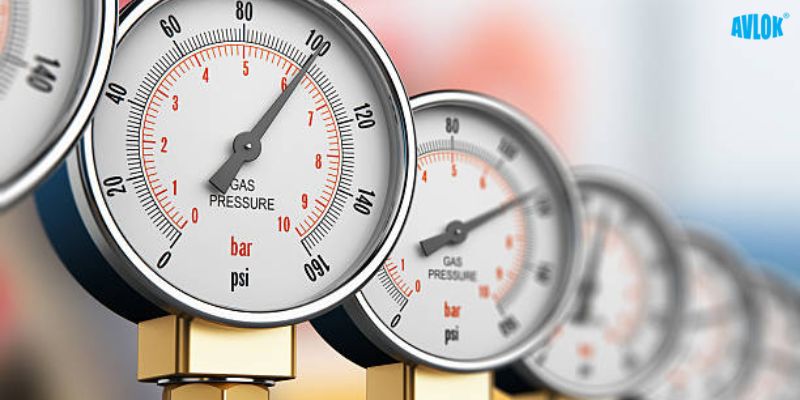
Pressure gauges measure the pressure of gases or liquids within a system. These measurements help operators monitor equipment performance and ensure safe operating conditions.
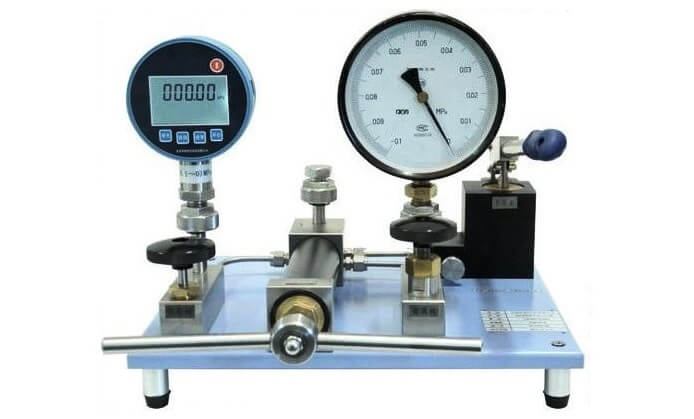
However, environmental factors, mechanical wear, vibration, and temperature changes can affect the accuracy of pressure gauges over time. Calibration is the process of comparing a gauge’s readings to a known reference standard and adjusting it if necessary.
When businesses use calibrated pressure gauges, they can trust that their instruments provide precise readings that reflect actual pressure levels.
Importance of Accurate Pressure Measurement
Accurate pressure measurement plays a vital role in industrial processes. Even a small error in pressure readings can affect system performance, product quality, and safety.
For example:
In manufacturing, incorrect pressure can lead to inconsistent product quality.
In chemical plants, pressure inaccuracies may cause dangerous reactions.
In HVAC systems, inaccurate readings can reduce system efficiency.
Using calibrated pressure gauges helps organizations maintain stable processes, improve reliability, and prevent costly errors.
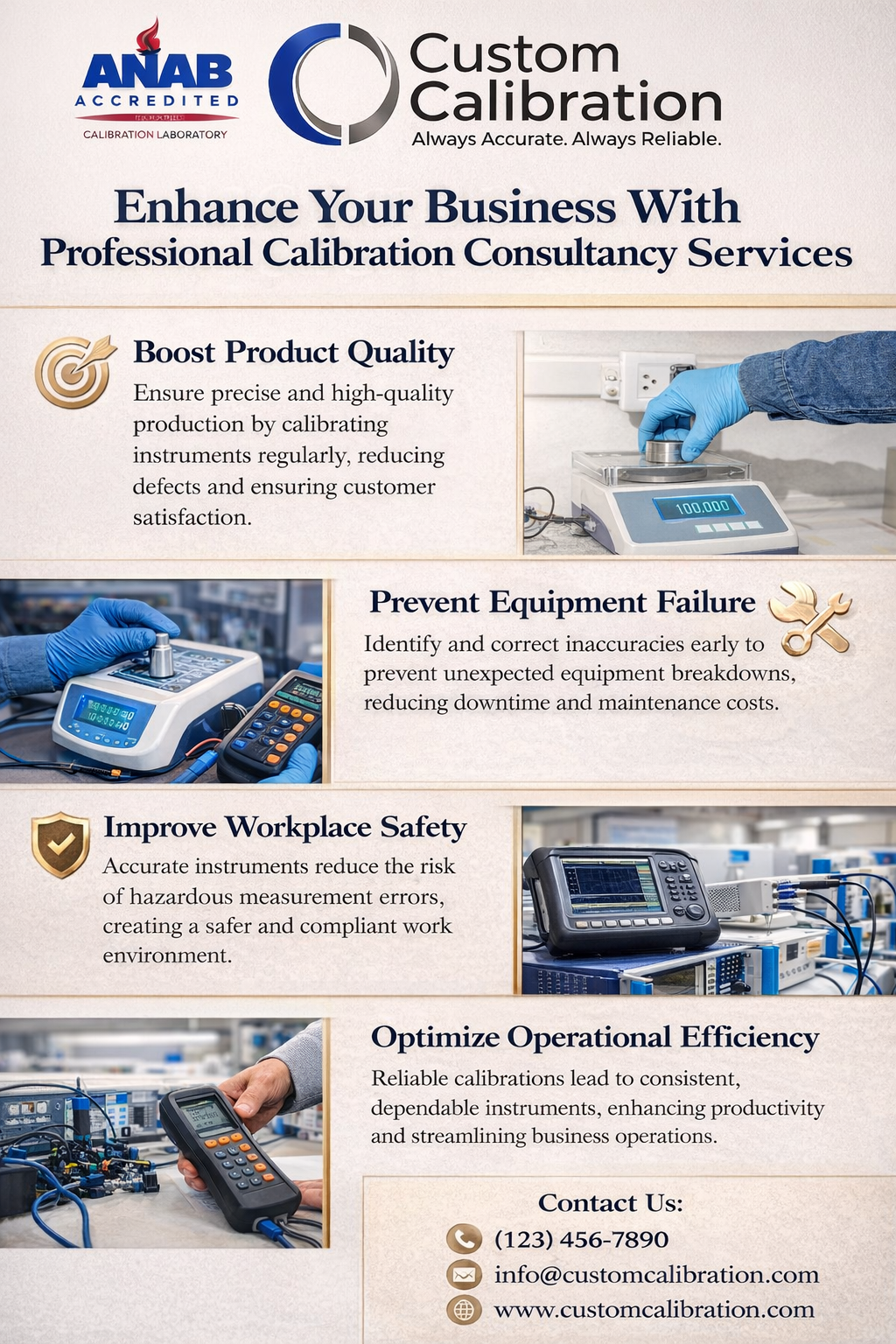
Preventing Equipment Failure
Industrial equipment is designed to operate within specific pressure ranges. If a pressure gauge provides inaccurate readings, the system may unknowingly operate outside safe limits. This can result in equipment damage, leaks, or system breakdowns.
Regular calibration ensures gauges continue to provide accurate information. With calibrated pressure gauges, operators can quickly detect abnormal pressure levels and take corrective action before problems occur.
This proactive approach helps reduce maintenance costs and prevent unexpected downtime.
Enhancing Workplace Safety
Safety is one of the primary reasons businesses rely on calibrated pressure gauges. Many industrial systems operate under high pressure, and inaccurate readings can create serious risks.
If a gauge underestimates pressure levels, operators may believe conditions are safe when they are actually approaching dangerous limits. This can lead to accidents, equipment failures, or hazardous situations.
Regular calibration ensures gauges display accurate readings, helping employees maintain safe working conditions and preventing pressure-related incidents.
Meeting Industry Standards and Compliance
Many industries are required to follow strict quality and safety regulations. Standards such as ISO quality management systems often require routine calibration of measuring instruments.
Maintaining calibrated pressure gauges helps organizations meet regulatory requirements and pass quality audits. Proper calibration records also provide traceability, demonstrating that measurement systems meet recognized standards.
Failure to maintain calibration can result in non-compliance, fines, or rejected products in regulated industries.
Improving Product Quality and Process Control
In industries such as pharmaceuticals, food production, and chemical manufacturing, precise pressure control is essential for maintaining product quality.
If pressure readings are inaccurate, production processes may become unstable. This can lead to defective products, wasted materials, and costly rework.
Using calibrated pressure gauges ensures that production processes remain consistent and controlled. Accurate measurements allow companies to maintain high-quality standards while reducing production errors.
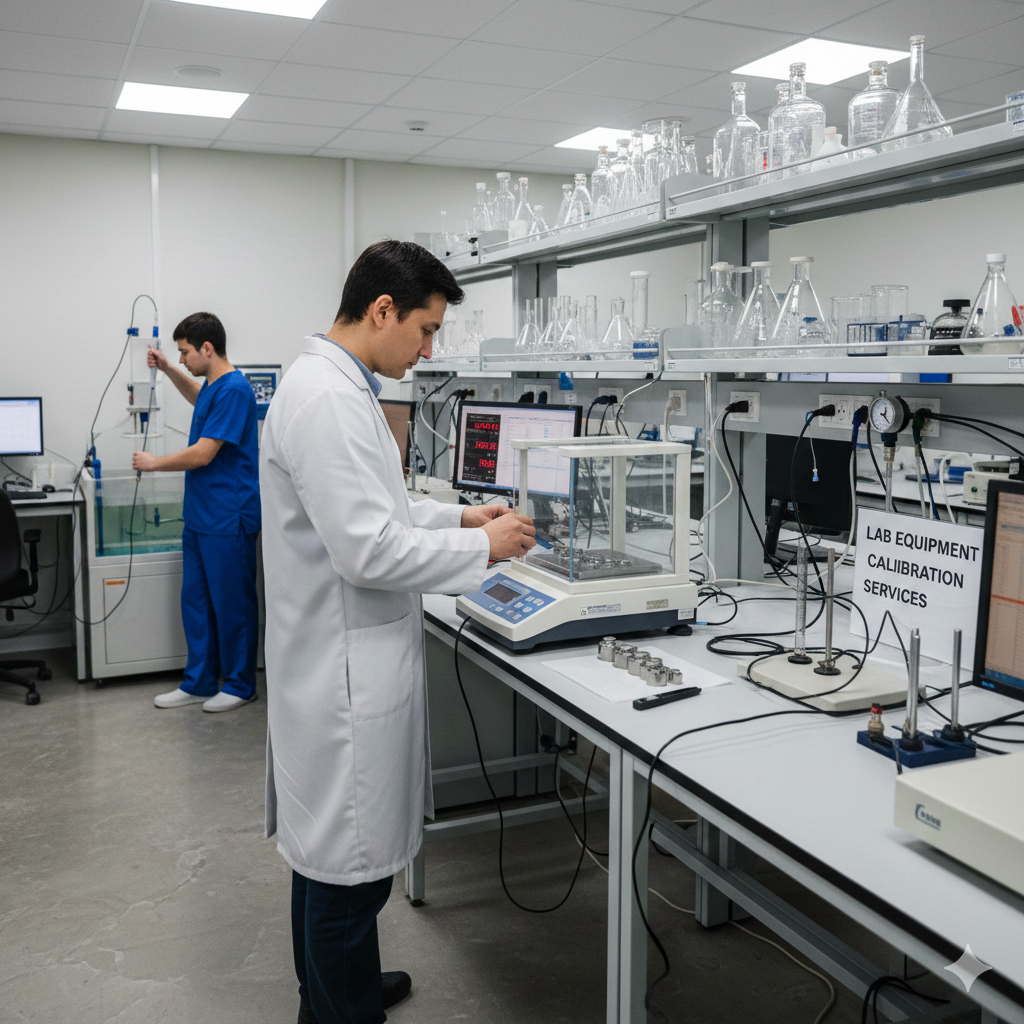
Benefits of Onsite Calibration
Many organizations prefer onsite calibration services because they allow instruments to be calibrated directly at the facility. This method offers several advantages compared to sending equipment to an external laboratory.
Key benefits of onsite calibration include:
Reduced downtime for critical equipment
Faster calibration turnaround times
No need to transport sensitive instruments
Immediate adjustments and verification
Minimal disruption to operations
With onsite calibration, businesses can maintain measurement accuracy while keeping their production processes running smoothly.
Extending the Life of Pressure Gauges
Calibration not only ensures measurement accuracy but also helps identify potential problems with instruments before they fail.
During the calibration process, technicians inspect gauges for issues such as wear, mechanical damage, or performance drift. Early detection allows companies to repair or replace faulty instruments before they cause major problems.
Maintaining calibrated pressure gauges helps extend instrument lifespan and ensures consistent performance over time.
Why Regular Calibration Is a Smart Investment
Some organizations overlook calibration until measurement problems occur. However, waiting too long can lead to inaccurate data, safety risks, and costly operational issues.
- Routine calibration provides several long-term benefits:
- Improved measurement accuracy
- Better process control
- Reduced equipment downtime
- Enhanced safety
- Regulatory compliance
Investing in regular calibration ensures that pressure measurement systems remain reliable and efficient.
Conclusion
Pressure gauges are essential tools for monitoring and controlling industrial systems. However, without proper maintenance and calibration, these instruments can lose accuracy and create serious operational risks.
Using calibrated pressure gauges ensures precise pressure measurement, improves safety, and supports regulatory compliance. Additionally, services like onsite calibration make it easier for businesses to maintain their instruments without interrupting daily operations.
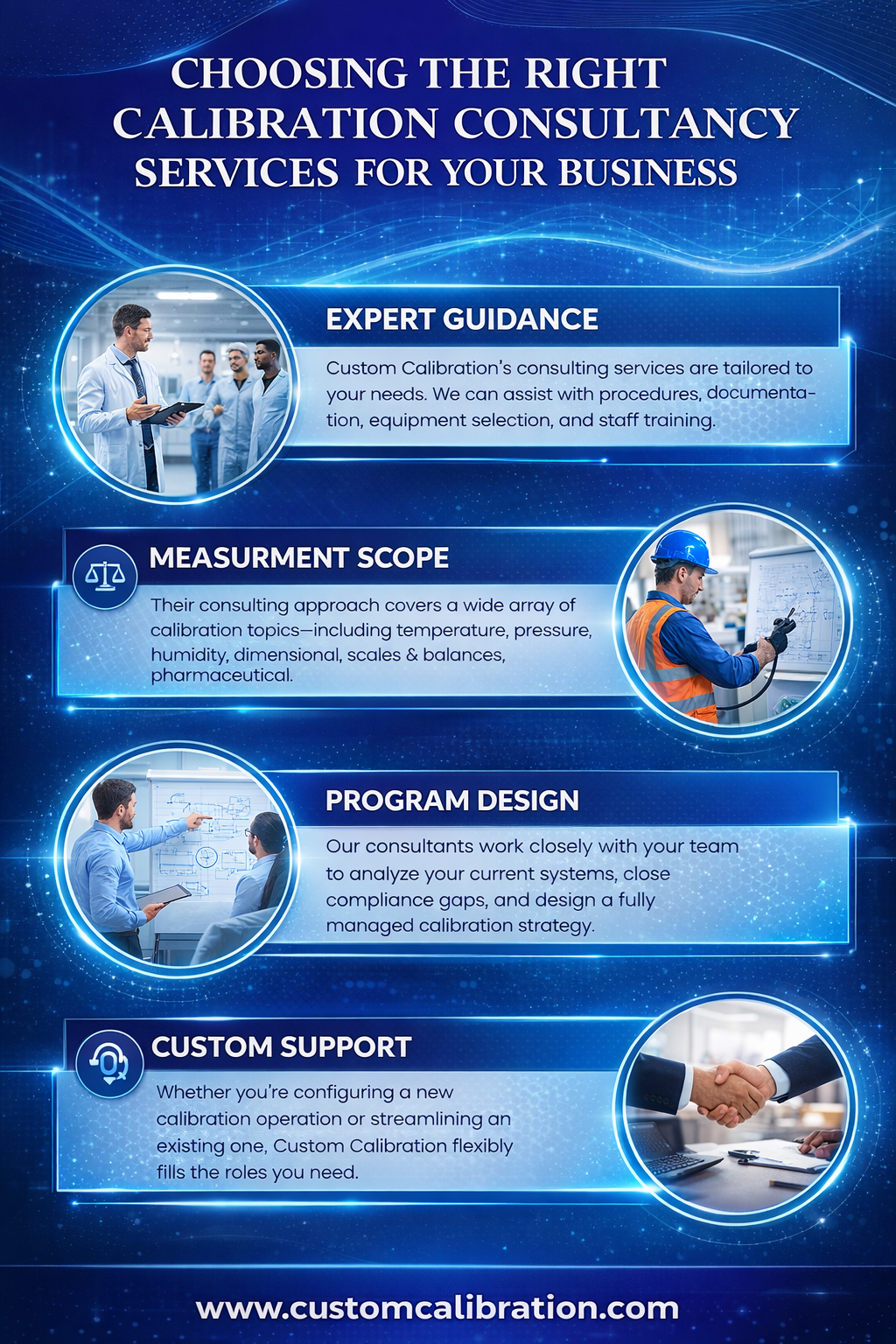
At Custom Calibration, we understand the importance of accurate measurements and reliable instrumentation. Our professional calibration services help businesses maintain precision, improve safety, and ensure their equipment performs at the highest standards.