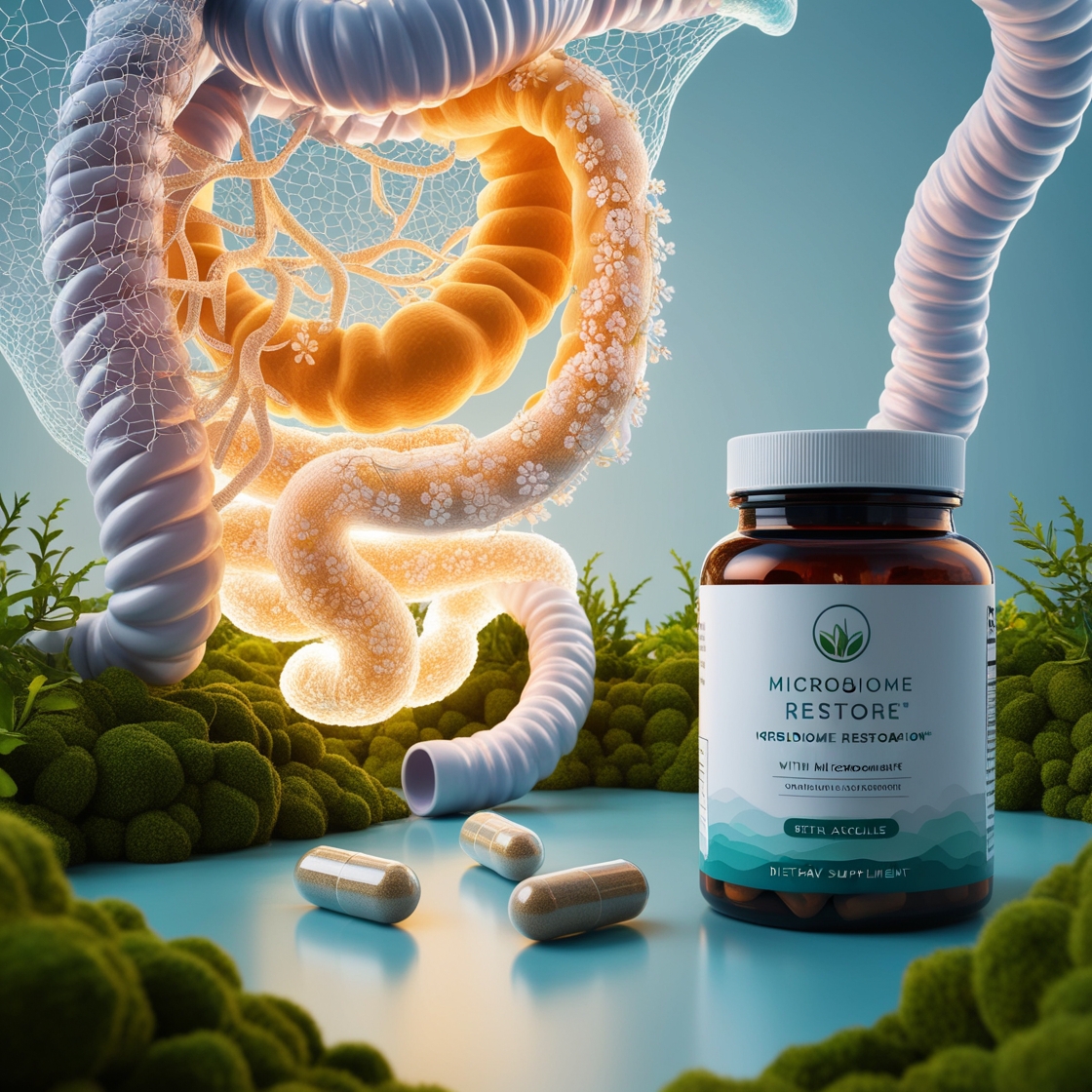
Digestive health often becomes noticeable only when something feels off. A heavy stomach after meals, occasional bloating, or irregular bowel movements can slowly affect daily comfort. Over the past decade, researchers and health professionals have focused more attention on the gut microbiome-the community of beneficial bacteria living in the digestive tract. One approach gaining attention is the use of probiotics plus fiber, a combination designed to support both beneficial bacteria and digestive function.
Instead of focusing on quick fixes, probiotics combined with dietary fiber aim to create a healthier environment inside the gut. This article explains how probiotics plus fiber works, what research suggests, and how it may support long-term digestive wellness.
Understanding the Gut Microbiome
Inside the human digestive system live trillions of microorganisms. These bacteria, fungi, and other microbes help break down food, support immune activity, and influence how nutrients are absorbed. When the balance of this ecosystem shifts-due to stress, poor diet, illness, or antibiotic use-digestive symptoms may appear.
Scientists often refer to this imbalance as microbiome disruption. Symptoms may include:
Occasional bloating
Irregular digestion
Gas or abdominal discomfort
Changes in stool consistency
Supporting the microbiome involves two important elements: beneficial bacteria and the nutrients that help them grow. This is where probiotics plus fiber comes into the picture.
What Are Probiotics?
Probiotics are living microorganisms that provide health benefits when consumed in adequate amounts. They are commonly found in fermented foods such as yogurt, kefir, kimchi, and sauerkraut, as well as in dietary supplements.
Different strains of probiotics perform different roles in the digestive system. Some help maintain intestinal balance, while others support immune responses or nutrient metabolism.
Research has shown that certain probiotic strains may contribute to:
Improved digestive balance
Reduced occasional bloating
Support for gut barrier function
Enhanced immune response through the gut
However, probiotics work best when they have the right environment to grow and survive. That is where fiber becomes essential.
The Role of Fiber in Digestive Health
Fiber is a type of carbohydrate found in plant foods that the body cannot fully digest. While it passes through the digestive system largely intact, it performs several important functions.
There are two primary types of fiber:
Soluble fiber dissolves in water and forms a gel-like substance. It helps slow digestion and supports cholesterol balance.
Insoluble fiber adds bulk to stool and supports regular bowel movements.
Beyond these functions, fiber also acts as nourishment for beneficial gut bacteria. When bacteria ferment certain fibers, they produce compounds known as short-chain fatty acids, which help maintain colon health and support metabolic processes.
This interaction explains why many digestive health experts recommend combining probiotics with fiber.
How Probiotics Plus Fiber Works Together
When probiotics and fiber are used together, they create a complementary system inside the gut.
Probiotics introduce beneficial bacteria
Fiber feeds those bacteria
This relationship is sometimes referred to as a synbiotic effect, where the probiotic organisms and the fiber source work together to support microbial balance.
The potential benefits of probiotics plus fiber include:
Improved digestive regularity
Fiber supports bowel movement consistency while probiotics help maintain microbial balance.
Reduced occasional bloating
Balanced gut bacteria may reduce gas production during digestion.
Support for nutrient absorption
A healthy microbiome helps break down certain nutrients and assists in vitamin production.
Gut lining support
Fermented fibers produce short-chain fatty acids that nourish intestinal cells.
While these effects vary from person to person, combining probiotics with fiber may offer broader digestive support compared to using either alone.
What Research Suggests
Scientific research continues to examine how probiotics and fiber influence gut health. Several studies have found that probiotic supplementation may support digestive comfort and microbial diversity.
Similarly, dietary fiber intake has been associated with improved digestive health and reduced risk of certain gastrointestinal conditions.
One of the most important findings in recent years is the connection between gut bacteria and overall health. The microbiome is now believed to play a role in immune function, metabolism, and even mood regulation.
That said, researchers emphasize that supplements should support-not replace-a balanced diet rich in whole foods.
Choosing a Quality Probiotics Plus Fiber Product
Not all digestive supplements are created equally. When evaluating probiotics plus fiber products, several factors should be considered.
1. Transparent Ingredient Labels
Look for clearly listed probiotic strains and fiber sources rather than vague descriptions.
2. Clinically Studied Strains
Some probiotic strains have stronger research backing than others.
3. Balanced Formulation
A good formula includes both probiotics and supportive fiber ingredients that help bacteria thrive.
4. Responsible Manufacturing
Products should be produced in facilities that follow recognized quality standards.
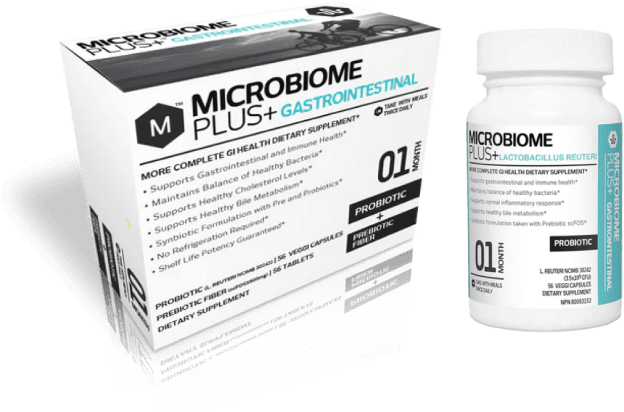
Companies such as Microbiome Plus focus on developing digestive health formulas that combine probiotics and fiber in carefully balanced amounts. These products aim to support gut health as part of a broader wellness routine.
Supporting Gut Health Through Lifestyle
Even the best supplement works best when combined with healthy habits. The gut microbiome responds strongly to daily lifestyle choices.
Helpful practices include:
Eating diverse plant-based foods
Staying physically active
Drinking enough water
Managing stress levels
Getting adequate sleep
Fermented foods such as yogurt or kefir may also naturally contribute beneficial bacteria to the digestive system.
Over time, consistent habits can help maintain microbial diversity, which is considered a key factor in digestive resilience.
Safety and Professional Guidance
Because digestive supplements relate to health and wellbeing, responsible use is important. Individuals with chronic digestive disorders, weakened immune systems, or ongoing medical conditions should consult a healthcare professional before starting probiotics or fiber supplements.
Additionally, increasing fiber intake too quickly may lead to temporary gas or bloating. Gradual adjustments and adequate hydration can help minimize discomfort.
Information about probiotics plus fiber should always be presented with realistic expectations. Supplements support normal body processes but are not intended to diagnose or treat disease.
The Bigger Picture of Gut Wellness
Digestive health is rarely the result of a single solution. Instead, it develops through daily choices that support the body’s natural systems.
The combination of probiotics plus fiber reflects a balanced approach to gut care. Probiotics help introduce beneficial bacteria, while fiber provides the nourishment those bacteria need to thrive.
Together, they may help maintain digestive balance, support regularity, and encourage a healthier microbiome environment.
For many people, this approach feels less like a quick fix and more like a steady step toward long-term wellness. When digestive comfort improves, it often influences energy, mood, and overall quality of life.
And sometimes, those small improvements-feeling lighter after meals, experiencing fewer digestive disruptions-are the quiet signals that the gut is moving back toward balance.