


Every winter, several major Indian cities make headlines for dangerous air quality levels, dense smog, and air that is visibly unsafe to breathe. While Delhi often receives national attention, cities such as Mumbai, Kolkata, Ahmedabad, Bengaluru, and Chennai are also experiencing rising pollution levels throughout the year.
What many people still underestimate is that chronic exposure to polluted air does not just cause temporary breathing discomfort; it significantly increases the risk of serious diseases like lung cancer, even among non-smokers.
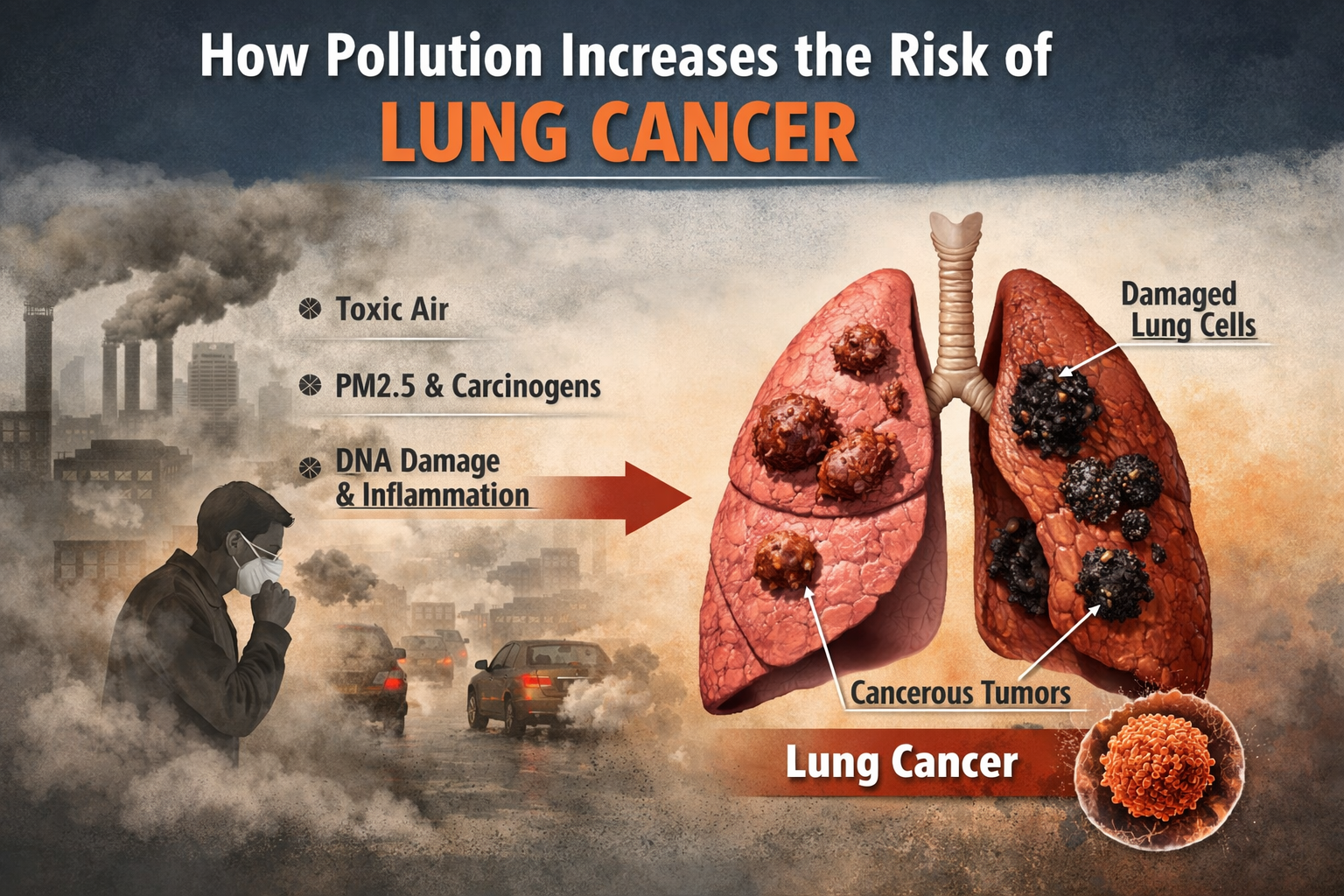
Air pollution across India’s major urban centers contains a dangerous mix of fine particulate matter (PM2.5), toxic gases, and carcinogenic compounds that can penetrate deep into the lungs.
Prolonged exposure to these pollutants damages lung tissue, triggers chronic inflammation, and alters cellular DNA, key mechanisms linked to the development of lung cancer. As pollution levels continue to remain alarmingly high for extended periods of each year, the long-term health consequences are becoming impossible to ignore.
This blog explores how air pollution raises the risk of lung cancer, who is most vulnerable, and why early awareness and lung cancer treatment are more critical now than ever.
How Pollution Causes Lung Cancer?
Studies suggest that air pollution damages genes, causes oxidative stress, and leads to chronic inflammation, all of which lead to lung cancer. According to oncologists, lung tissue weakens from prolonged exposure to toxic air, making it more susceptible to malignancy.
Key Mechanisms of Pollution-Induced Lung Cancer:
- Oxidative Stress: Pollutants produce free radicals that damage cells and may contribute to or promote the development of cancerous cells from normal cells.
- DNA Damage: Inhaled carcinogens such as benzene and formaldehyde disrupt the body’s intrinsic repair processes, causing mutations in lung cells.
- Chronic Inflammation: Prolonged exposure to pollutants creates a chronic inflammatory environment that supports the growth of cancer cells.
Who is at Risk of Developing Lung Cancer?
Pollution affects everyone, but some people are more vulnerable to developing lung cancer due to prolonged exposure or pre-existing health conditions. These include:
- Non-smokers in Polluted Areas: Many lung cancer cases occur among non-smokers due to high exposure rates to pollution.
- Children and Senior Citizens: Since they have weak immune systems, they are more prone to respiratory diseases such as lung cancer.
- Urban Dwellers: With high pollution levels, cities expose their residents to dangerous air every single day.
- Industrial Workers: Exposure to dangerous materials and harmful gases occurs frequently among workers at factories, construction, and chemical plants, increasing their risk of developing lung cancer.
Symptoms of Lung Cancer
Lung cancer often develops silently, with symptoms appearing only in the advanced stages. Identifying early warning signs can help ensure timely diagnosis and treatment at a cancer hospital.
Common symptoms of Lung Cancer include:
- Fatigue
- Breathlessness
- Persistent cough
- Chest pain or discomfort
- Unexplained weight loss
Conclusion
Rising lung cancer cases linked to pollution demand urgent action at both the individual and societal levels. Along with awareness from cancer hospitals and oncologists, people must take preventive steps, reduce exposure, and advocate for cleaner air. Prevention, early detection, and medical advancements remain key to combating pollution-related lung cancer.


Afanat 40mg tablet is used to treat non-small cell lung cancer.
If you are patient of lung cancer then, i hope u need to know about this medicine.Follow this link and know all about Afanat 40mg tablet :http://www.musicrush.com/pillsbills/blog/58026/afanat-40mg-tablet-buy-lung-cancer-medicine-online-in-india