


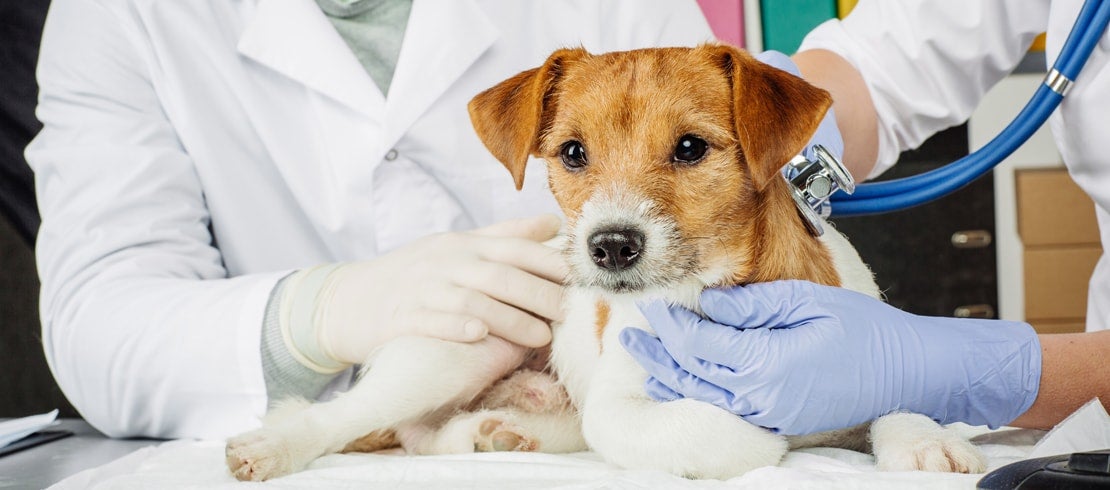
Pets are more than companions—they are family. Whether you share your home with a playful puppy or a calm senior cat, one of the most important ways to ensure their happiness and longevity is through regular veterinary care for dogs and cats. Preventive veterinary visits help detect health problems early, protect pets from disease, and support a healthier life at every stage.
For pet owners across Oakdale and nearby communities like Castro Valley, Dublin, Escalon, Livermore, Modesto, Riverbank, San Ramon, and Turlock, routine veterinary care plays a crucial role in keeping beloved pets safe and thriving.
This guide explains why consistent vet care matters, how it benefits pets long-term, and what pet owners should expect during regular veterinary visits.
The Importance of Preventive Veterinary Care
Preventive care is the foundation of modern veterinary medicine. Instead of waiting until a pet becomes seriously ill, veterinarians focus on early detection, disease prevention, and long-term health management.
During routine veterinary visits, vets can identify subtle health changes that pet owners may not notice. Dogs and cats are naturally good at hiding discomfort, so by the time symptoms appear, the problem may already be advanced.
Regular veterinary exams help detect issues such as:
- Dental disease
- Parasites (fleas, ticks, heartworms, intestinal worms)
- Skin infections and allergies
- Weight and nutrition problems
- Early signs of arthritis
- Organ disease affecting the liver, kidneys, or heart
Early diagnosis allows treatment to begin sooner, which often leads to better outcomes, less stress for pets, and lower medical costs for owners.
Annual Wellness Exams Help Pets Stay Healthy
One of the most important components of veterinary care for dogs and cats is the annual wellness exam.
During a typical wellness visit, a veterinarian evaluates several aspects of a pet’s health, including:
Physical Examination
A comprehensive exam includes checking the eyes, ears, teeth, skin, coat, joints, and body condition. The vet may also listen to the heart and lungs to detect abnormalities.
Vaccinations
Vaccinations protect pets from serious and potentially life-threatening diseases such as:
- Rabies
- Parvovirus
- Distemper
- Feline leukemia
Veterinarians customize vaccination schedules based on the pet’s age, lifestyle, and risk factors.
Parasite Prevention
Parasites can cause severe health problems for pets and even affect humans. Preventive treatments protect against:
- Fleas
- Ticks
- Heartworms
- Intestinal parasites
- Nutritional Guidance
Diet plays a significant role in pet health. Veterinarians help owners choose the right food based on the pet’s age, breed, activity level, and medical needs.
Behavioral Insights
Changes in behavior can indicate underlying medical issues. Routine visits give owners a chance to discuss concerns such as anxiety, aggression, or unusual habits.
Early Detection Saves Lives
One of the biggest advantages of routine veterinary visits is early detection of disease.
Many serious conditions develop gradually, including:
- Kidney disease
- Diabetes
- Thyroid disorders
- Heart disease
- Cancer
When these conditions are identified early, treatment options are often more effective and less invasive.
For example, a simple blood test during a wellness exam may reveal early kidney disease in cats. With proper diet and treatment, the condition can often be managed successfully for many years.
Without routine testing, the disease might go unnoticed until it reaches a critical stage.
Dental Health Is a Major Part of Pet Wellness
Dental disease is one of the most common health problems in dogs and cats. Studies suggest that most pets develop some form of dental disease by age three.
Poor dental health can lead to:
- Pain while eating
- Bad breath
- Tooth loss
- Bacterial infections
- Organ damage affecting the heart or kidneys
Routine veterinary checkups include evaluations and recommendations for professional pet dental cleanings when needed.
Good dental care helps pets maintain healthy teeth and prevents more serious medical complications later in life.
Veterinary Care at Every Life Stage
Pets have different healthcare needs depending on their age.
- Puppies and Kittens
- Young pets require:
- Vaccination schedules
- Parasite prevention
- Spay and neuter consultations
- Growth monitoring
Early veterinary care sets the foundation for lifelong health.
- Adult Pets
- During adulthood, veterinary care focuses on:
- Preventive medicine
- Weight management
- Dental care
- Lifestyle and nutrition support
- Senior Pets
Older pets benefit from more frequent health monitoring because they are more likely to develop chronic conditions.
Senior veterinary care often includes:
- Blood testing
- Joint health evaluations
- Pain management
- Organ function monitoring
With proper veterinary attention, many senior pets continue to live happy and active lives well into their later years.
The Role of Veterinary Technology in Modern Pet Care
Veterinary medicine has advanced significantly in recent years. Many modern clinics now use advanced diagnostic tools that allow veterinarians to detect and treat conditions more accurately.
- These technologies may include:
- Digital X-rays
- Ultrasound imaging
- In-house laboratory testing
- Advanced surgical monitoring equipment
These innovations help veterinarians diagnose problems quickly and provide safer treatment options for pets.
Pet owners across Oakdale and surrounding areas such as Modesto, Riverbank, Livermore, and Turlock benefit from access to modern veterinary care that prioritizes both safety and comfort.
Why Local Veterinary Care Matters
Having a trusted veterinary clinic nearby makes it easier to maintain regular wellness visits and respond quickly when a pet becomes ill.
For pet owners in Oakdale and nearby communities including Castro Valley, Dublin, Escalon, San Ramon, Modesto, Riverbank, Livermore, and Turlock, access to reliable veterinary care ensures pets receive consistent monitoring and preventive support.
Local veterinary teams often build long-term relationships with pets and their families, allowing them to better understand each pet’s medical history, personality, and unique health needs.
Clinics like Family Veterinary Care of Oakdale focus on providing compassionate care, preventive services, and personalized treatment plans designed to support pets throughout their lives.
How Pet Owners Can Support Their Pet’s Health
Veterinary care works best when pet owners stay actively involved in their pet’s wellness routine.
Some simple steps include:
- Scheduling routine veterinary checkups
- Keeping vaccinations up to date
- Maintaining flea and tick prevention
- Providing balanced nutrition
- Monitoring changes in behavior or appetite
- Ensuring pets get regular exercise
If a pet shows signs such as vomiting, lethargy, sudden weight loss, or difficulty walking, it’s important to consult a veterinarian promptly.
A Lifetime of Health Starts with Preventive Care
Regular veterinary care is one of the most valuable investments pet owners can make in their pet’s future. Preventive exams, vaccinations, early disease detection, and professional guidance all contribute to a longer, healthier, and happier life for dogs and cats.
Whether you live in Oakdale or nearby areas like Escalon, Modesto, Riverbank, Livermore, San Ramon, Castro Valley, Dublin, or Turlock, establishing a consistent relationship with a trusted veterinary team helps ensure your pet receives the care they deserve.
Healthy pets lead to happier homes—and routine veterinary care is the key to making that possible.
Frequently Asked Questions
How often should dogs and cats visit the veterinarian?
Most pets should visit the veterinarian at least once a year for a wellness exam. Senior pets or those with medical conditions may require more frequent visits.
Why are regular veterinary checkups important?
Routine checkups help detect health problems early, maintain vaccinations, prevent parasites, and ensure pets receive proper nutrition and medical guidance.
Do indoor cats need veterinary care?
Yes. Even indoor cats can develop health conditions such as dental disease, kidney issues, and obesity. Regular veterinary visits help monitor their health and prevent problems.
What are the signs my pet needs to see a vet immediately?
Seek veterinary care if your pet shows symptoms such as:
- Difficulty breathing
- Severe vomiting or diarrhea
- Loss of appetite
- Sudden weakness
- Injuries or trauma
How does preventive veterinary care save money?
Preventive care helps detect diseases early, which often means less expensive treatment and better outcomes compared to treating advanced illness.



Pets can prove to be the best friends of human beings.
They are fun to keep and get along with but only when you know the right way to take care of cats and kittens.
The way you treat your pets will determine the type of experience you will have.
It can be awesome or dreadful.For more detail link belowhttps://hitruecare.com/take-care-of-cats-and-kittens

The growth in this market is majorly attributed to factors such as rising pet adoption, increasing number of veterinary practitioners and rise in their income levels in developed economies, rising demand for pet insurance coupled with growing animal health expenditure, and rising awareness about animal health.The Animal Wound Care Market witnessed healthy growth during the last decade and is expected to grow at a CAGR of 6.7% between 2016 and 2021 to reach 1,134.0 Million by 2021.Major Market Developments:-In November 2015, Ethicon, Inc. (US) signed an agreement with Elanco Animal Health (US) to market Ethicon veterinary sutures.
This agreement helped the company to strengthen its geographical presence.In June 2015, Henry Schein, Inc. (US), leading provider of healthcare products and services to animal health and medical practitioners, acquired 85% shares of Jorgen KRUUSE A/S.
This launch expanded the company’s wound care product portfolio.Download PDF Brochure: - https://www.marketsandmarkets.com/pdfdownloadNew.asp?id=253831778The global animal wound care market is segmented based on product, animal type, end user, and geography.Based on product type, the market is segmented into surgical wound care products, advanced wound care products, traditional wound care products, and therapy devices.
Based on animal type, the market is segmented into companion animals and livestock animals.
Similarly, on the basis of geography, the animal wound care market is segmented into North-America, Europe, Asia-Pacific, and Rest of the World.In 2015, surgical wound care product segment accounted for the largest share of the global animal wound care.
The hospitals and clinics accounted for the largest market share of the animal wound care market and is expected to grow at a higher CAGR in next five years.Regional Analysis:- North America is the largest regional segment for animal wound care owing to the well-established animal healthcare market.