



Automation is often considered the quickest way to improve operational efficiency, yet many organizations discover that introducing automation too early can actually make inefficiencies worse. When a process is poorly designed, unclear, or overloaded with unnecessary steps, automation simply accelerates the existing problems instead of solving them.
This is why leading digital transformation strategies emphasize process optimization before automation. Research from McKinsey’s State of AI report highlights that organizations capturing the highest productivity gains from automation are those that redesign workflows before introducing automation technologies. Companies that skip this stage often automate fragmented processes and struggle to achieve meaningful improvements.
Platforms such as Zoho provide powerful capabilities for automating operations across sales, finance, marketing, and support. However, the real value of automation emerges only when the underlying business process has already been optimized.
For both business leaders and Zoho partners, understanding how to optimize processes before automation is essential to achieving measurable operational outcomes.
Why Process Optimization Must Precede Automation
Automation tools are designed to accelerate tasks, reduce manual effort, and improve visibility across business operations. However, they cannot independently fix structural inefficiencies.
According to Nucleus Research, organizations implementing a properly structured Zoho ecosystem can achieve:
- 439 percent average return on investment
- 47 percent reduction in total cost of ownership
These outcomes are not simply the result of installing software. They occur when automation is built on top of optimized processes rather than fragmented workflows.
Organizations that optimize processes before automation typically experience improvements such as:
- Faster operational workflows
- Reduced delays between departments
- Greater consistency in data reporting
- Improved collaboration across teams
- Higher employee productivity
This is why process design is now considered the foundation of successful automation strategies.
Zoho Consultants Recommend Mapping the Existing Workflow First
Before introducing automation within Zoho, the first step should always be mapping the current process in detail.
Many organizations attempt to automate workflows without documenting how work actually flows across departments. This often results in automated systems that replicate inefficiencies instead of eliminating them.
A proper workflow map should identify:
- The starting point of the process
- Each operational step involved
- The team or individual responsible for each stage
- Data inputs and outputs throughout the workflow
- Approval checkpoints or decision points
- Stages where delays frequently occur
This mapping exercise often reveals hidden operational friction that teams overlook during daily work.
For example, a sales approval process may involve multiple unnecessary approval layers between sales, finance, and leadership teams. Without identifying these inefficiencies first, automation may simply replicate those approval delays digitally.
Identify Bottlenecks and Operational Inefficiencies
After mapping the workflow, the next step is identifying where the process slows down or becomes inconsistent.
Common indicators of inefficient processes include:
- Repeated manual data entry
- Multiple approval stages that delay decisions
- Lack of clear task ownership
- Disconnected systems generating inconsistent reports
Heavy reliance on spreadsheets for operational tracking
Research from Nucleus Research’s Zoho One ROI study shows that organizations using integrated Zoho systems achieved a 68 percent reduction in manual reporting tasks and a 57 percent increase in sales productivity when workflows were structured correctly.
These results demonstrate how optimized processes can dramatically reduce operational friction.
Define Clear Business Goals Before Automating
Automation should always support a specific business objective rather than simply introducing technology into an existing workflow.
Organizations should define measurable goals such as:
- Reducing response time to customer inquiries
- Accelerating sales cycle completion
- Improving lead conversion rates
- Shortening support resolution time
- Increasing operational transparency through reporting
According to Deloitte’s Global Human Capital Trends report, organizations that establish clear workflow performance metrics before implementing automation are significantly more successful in achieving sustainable operational improvements.
Defining these objectives ensures that automation efforts produce measurable outcomes instead of simply adding technical complexity.
Simplify the Workflow Before Introducing Automation
One of the most important stages in process optimization is simplification. Many organizations mistakenly attempt to automate every step of their existing workflow without questioning whether those steps are necessary.
Effective optimization focuses on removing unnecessary complexity.
Key questions organizations should consider include:
- Are all approval stages essential?
- Can certain tasks be consolidated to reduce delays?
- Are all data fields required for decision-making?
- Can departments access shared data automatically?
Removing unnecessary steps reduces operational friction and ensures that automation improves efficiency rather than reinforcing outdated processes.
Select the Appropriate Automation Layer Within Zoho
Once the process has been optimized, the organization can determine the best automation framework within the Zoho ecosystem.
Different automation methods serve different purposes.
Workflow Automation
Workflow rules automate routine actions such as task creation, notifications, or field updates triggered by system events.
Blueprint Process Management
Blueprints enforce structured workflows that guide users through defined stages of a process while maintaining accountability and compliance.
Custom Applications and Integrations
More complex processes that involve multiple departments or unique business requirements may require custom applications built using Zoho Creator or integrations across multiple Zoho products.
Choosing the right automation architecture is essential to maintaining scalability as business operations grow.
Implement Automation Gradually
Instead of automating the entire process simultaneously, organizations should adopt a phased automation strategy.
Gradual deployment allows teams to:
- Test redesigned workflows in controlled stages
- Identify potential issues early
- Train users effectively
Adjust automation rules based on real-world usage
This incremental approach reduces operational disruption and improves user adoption.
Continuously Monitor and Improve the Process
Automation should be treated as an evolving operational framework rather than a one-time deployment.
Organizations should continuously monitor metrics such as:
- Process completion time
- Customer response time
- Sales conversion rates
- Error or rework frequency
- Employee productivity
Research from McKinsey indicates that organizations achieving the greatest value from automation technologies are those that continuously refine workflows using operational data and feedback.
Continuous improvement ensures that automated processes remain aligned with changing business needs.
Why Process Optimization Matters More in Modern Businesses
Businesses are operating in an environment where operational efficiency, digital transformation, and AI adoption are becoming critical competitive factors. Automation platforms such as Zoho allow organizations to integrate operations across departments, but technology alone cannot resolve inefficient processes.
Organizations that invest time in optimizing workflows before automation consistently achieve stronger business outcomes, including improved productivity, lower operational costs, and faster decision-making.
For Zoho partners and business leaders alike, the ability to design effective workflows has become just as important as implementing automation technology itself.
Conclusion
Automation delivers meaningful results only when it is built on top of well-optimized business processes. Mapping workflows, identifying inefficiencies, simplifying operations, and defining measurable objectives create the foundation for successful automation.
When businesses combine thoughtful process design with the automation capabilities of Zoho, they can build operational systems that improve productivity, reduce costs, and support long-term growth.
Organizations that prioritize process optimization before automation are ultimately the ones that unlock the full potential of modern business platforms.


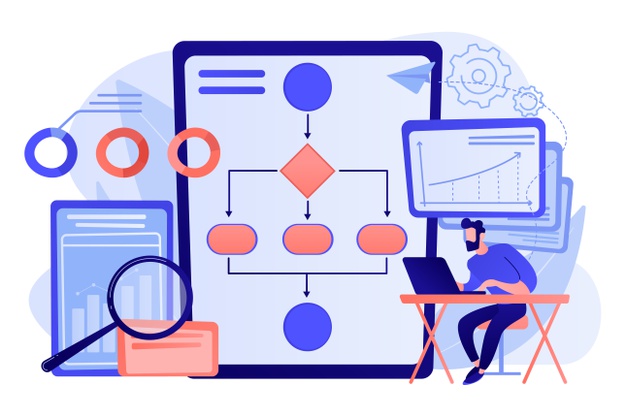
Enterprises, know more about the core aspects of your business that you can automate easily with modern business process automation strategies to get automation benefits.
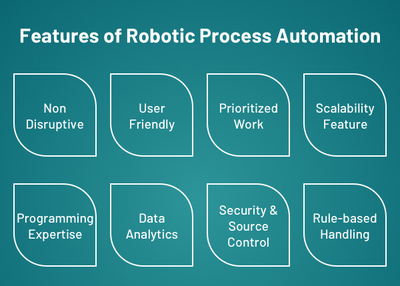
Robotic process automation provides smart business solutions as everything is done on a virtual basis. RPA process not only improves the performance but also saves on time. The best part about the process is integration. As it integrates with the system and servers of the company, you can expect great efficiency.
RPA offers scalable options to business solutions. Most business functions are time consuming and redundant. RPA process helps to eliminate the redundancy in work to perform repetitive tasks at ease. Robotic process automation helps to automate all the business tasks and applications to give you the best solutions for business.