Allergies are one of the most common conditions found in a significant proportion of the population worldwide. They happen when the immune system reacts in an abnormal way to substances which to the majority of people are benign. These substances; allergens, can be present in things such as food, the environment, medication and bee or wasp stings. Some allergic reactions are mild whereas some can be life threatening.
Knowing what allergies are common and what their signs and symptoms are in addition to how to prevent them is fundamental to maintaining good health and having a better quality of life. With increased awareness and knowledge of allergies and the effective ways of avoiding and resolving them, quite a few allergic reactions are manageable.
What You Need to Know about Allergies
Allergies occur when the immune system falsely detects an allergen as a threat. In healthy people, the immune system guards the body against disease-causing bacteria, viruses and other pathogens. In those with allergies, the immune system overreacts to stimuli.
Upon the introduction of an allergen into the body, certain antibodies (called Immunoglobulin E, IgE) are produced. These adhere to immune cells, releasing chemicals, such as histamine. Histamine is responsible for allergy symptoms, like sneezing, itching, swelling, and irritation.
An allergic reaction may be local or diffuse, affecting either the:
• Respiratory system
• Skin
• Gastrointestinal system
• Eyes
The reaction may be mild or severe depending on the individual and the allergen.
Types of Common Allergies
Allergies can be divided into many types according to the substance that causes the immune response.
1. Seasonal Allergies (Hay Fever)
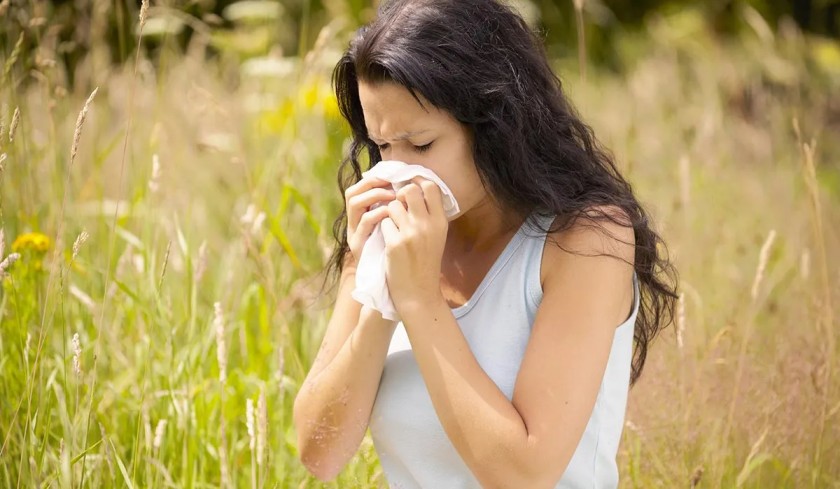
The term seasonal allergy refers to hay fever and allergic rhinitis. It is triggered when people are allergic to allergens floating in the air such as pollen.
A seasonal allergy occurs when a person reacts to pollen during certain months when there are large amounts of it in the air.
Pollen from trees, grasses, and weeds is common in the spring and fall. When breathed in by people with allergies, it causes the immune system to react, creating uncomfortable symptoms.
Common Symptoms
• Sneezing
• Runny or blocked nose
• Itchy throat
• Watery eyes
• Nasal congestion
• Fatigue
Prevention Tips
• Keep the windows shut when the pollen counts are high
• Refrain from participating in outdoor activities if pollen counts are high
• Shower and change into different clothes when you come in from being outside
• Use air purifiers
Air purifiers with activated charcoal filters may be beneficial by absorbing formaldehyde and other VOCs in the home.
2. Food Allergies
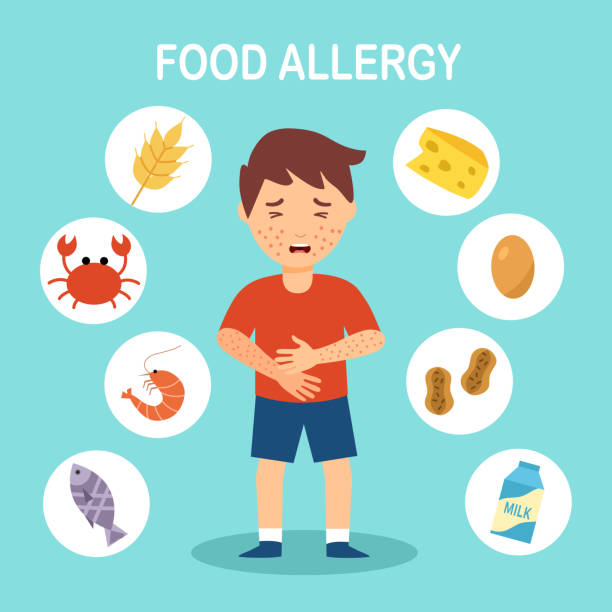
A food allergy is an abnormal response by the immune system to a particular substance. With regard to food allergies, this is an abnormal immune reaction to a particular protein found in some foods.
Food allergies can develop at any age but are more common in children.
Certain food allergies tend to disappear with age, whereas some can be lifelong.
Common Food Allergens
• Peanuts
• Tree nuts
• Milk
• Eggs
• Fish
• Shellfish
• Wheat
• Soy
Symptoms of Food Allergies
• Skin rash or hives
• Mouth itching
• Swelling in the lips, tongue or throat
• Stomach pain
• Nausea or vomiting
• Diarrhea
• Wheezing
People with severe food allergies may experience a deadly allergic reaction called anaphylaxis.
Prevention Tips
• Read the labels on food items thoroughly
• Steer clear of foods that cause reactions
• Inform restaurants about food allergies
• Carry emergency medication if prescribed
3. Dust Mite Allergies
Dust mites are tiny creatures that live in house dust. They thrive in warm, humid environments and are most commonly found in:
• Bedding
• Carpets
• Upholstered furniture
• Curtains
Individuals with a dust mite allergy are sensitive to the proteins in the faeces of the mite.
Symptoms
• Sneezing
• Runny nose
• Blocked nose
• Coughing
• Itchy eyes
• Post nasal drip
Prevention Tips
• Wash bedding frequently in hot water
• Use dust-mite-proof mattress and pillow encasings
• Vacuum carpets often
• Lower indoor humidity levels
4. Pet Allergies
Pet allergies are caused by proteins present in the dander (skin flakes), saliva, and urine of animals.
The most common allergens are produced by cats and dogs, although rabbits, birds, or rodents may also cause reactions.
Symptoms
• Sneezing
• Runny nose
• Itchy eyes
• Skin rashes
• Nasal congestion
• Wheezing or coughing
Prevention Tips
• Keep pets out of bedrooms
• Maintain cleanliness and vacuum regularly
• Frequently bathe pets
• Use HEPA air filters
Sometimes people with severe allergies to animals may need to limit exposure or avoid animals completely.
5. Skin Allergies
A skin allergy is a reaction of the skin to substances that come into direct contact with it. This condition is often called contact dermatitis.
Common triggers include:
• Cosmetics
• Soaps
• Detergents
• Perfumes
• Metals
• Certain plants
Symptoms
• Redness
• Itching
• Skin rash
• Blisters
• Swelling
• Very dry or cracked skin
Prevention Tips
• Use hypoallergenic skin products
• Avoid known irritants
• Wear gloves when using cleaning products
• Moisturize skin regularly
6. Mold Allergies
Mold is a fungus that grows in wet and humid environments. Mold spores become airborne and can trigger allergic reactions when inhaled.
Mold is commonly found in areas with moisture such as:
• Bathrooms
• Kitchens
• Basements
• Water-damaged rooms
Symptoms
• Sneezing
• Nasal congestion
• Coughing
• Watery eyes
• Skin irritation
• Headaches
Prevention Tips
• Fix leaks and water damage immediately
• Improve ventilation in bathrooms and kitchens
• Use dehumidifiers
• Clean moldy surfaces regularly
Reducing moisture in the home is the most important step to prevent mold growth.
7. Insect Sting Allergies
Some individuals have allergic reactions to venom from insect stings.
Common insects that trigger allergies include:
• Bees
• Wasps
• Hornets
• Fire ants
Most people experience mild pain and swelling after a sting, but allergic individuals may develop serious reactions.
Symptoms
• Swelling at the sting site
• Redness and itching
• Hives
• Difficulty breathing
• Dizziness
• Increased heart rate
Prevention Tips
• Avoid wearing strong perfumes outdoors
• Stay calm around flying insects
• Wear protective clothing outside
• Remove insect nests near homes
People with severe insect sting allergies may be advised to carry emergency medication.
Symptoms of Allergic Reactions
Allergic reactions can involve different organs and body parts depending on the allergen.
Respiratory Symptoms
• Sneezing
• Runny or blocked nose
• Wheezing
• Shortness of breath
• Coughing
Skin Symptoms
• Itching
• Hives
• Redness
• Swelling
• Rash
Eye Symptoms
• Watery eyes
• Redness
• Itching
• Puffy eyelids
Digestive Symptoms
• Nausea
• Vomiting
• Diarrhea
• Abdominal pain
Allergic reactions may occur immediately after exposure or may develop gradually over several hours.
Severe Allergic Reactions (Anaphylaxis)
Anaphylaxis is a rare but severe allergic reaction that can occur within minutes after exposure to an allergen.
It requires immediate medical attention.
Warning Signs
• Difficulty breathing
• Swelling of throat or tongue
• Rapid heartbeat
• Severe drop in blood pressure
• Dizziness or fainting
• Loss of consciousness
If not treated promptly, anaphylaxis can be life-threatening.
Diagnosis of Allergies
Accurate diagnosis is necessary to identify the allergens responsible for symptoms.
Doctors may use several methods to diagnose allergies.
Skin Prick Test
A small amount of allergen is placed on the skin and a tiny prick is made. If swelling or redness appears, an allergy may be present.
Blood Test
Blood tests measure the level of IgE antibodies related to specific allergens.
Elimination Diet
For suspected food allergies, doctors may recommend removing certain foods from the diet and gradually reintroducing them.
Allergy Prevention Strategies
Although allergies cannot always be prevented completely, several steps can help reduce exposure and control symptoms.
Avoid Known Allergens
Identifying and avoiding triggers is the most effective prevention strategy.
Maintain Clean Indoor Spaces
Regular cleaning helps remove dust, mold, and pet dander.
Improve Indoor Air Quality
Air purifiers and proper ventilation can reduce airborne allergens.
Practice Good Hygiene
Showering after outdoor activities helps remove pollen from skin and hair.
Follow Medical Advice
Take medications as prescribed and consult a doctor if allergies become severe.
Treatment Options for Allergies
Several treatment options are available to manage allergy symptoms.
Antihistamines
These medications block histamine and reduce symptoms such as sneezing and itching.
Decongestants
Decongestants reduce nasal swelling and relieve congestion.
Nasal Sprays
Corticosteroid sprays reduce inflammation in the nasal passages and help control allergic rhinitis.
Eye Drops
Antihistamine eye drops help relieve itching, redness, and watery eyes.
Immunotherapy
Allergy shots or tablets expose the body to small amounts of allergens over time, helping the immune system become less sensitive.
Conclusion
Allergies are a common health problem that can affect many aspects of daily life. From seasonal pollen allergies to food and pet allergies, many substances can trigger allergic reactions.
Understanding the type of allergy and identifying its triggers is the first step toward effective management. By avoiding allergens, following preventive measures, and seeking medical treatment when necessary, allergic reactions can often be controlled successfully.
With proper awareness and care, individuals with allergies can manage their symptoms effectively and maintain a healthy lifestyle.