In today’s global economy, commodity markets move quickly. Prices for energy, metals, agricultural products, and chemicals fluctuate due to geopolitical events, supply chain disruptions, and economic shifts. Consequently, businesses that rely on commodities need reliable insights to make informed decisions. This is where a commodity intelligence platform becomes essential.
A commodity intelligence platform gathers, analyzes, and visualizes market data so organizations can track prices, forecast trends, manage risk, and optimize procurement strategies. As a result, businesses gain a clearer understanding of market movements and improve their strategic planning. This beginner’s guide explains how such platforms work and why they are becoming indispensable tools for modern organizations.
1. Understanding Commodity Intelligence Platforms
What They Are and Why They Matter
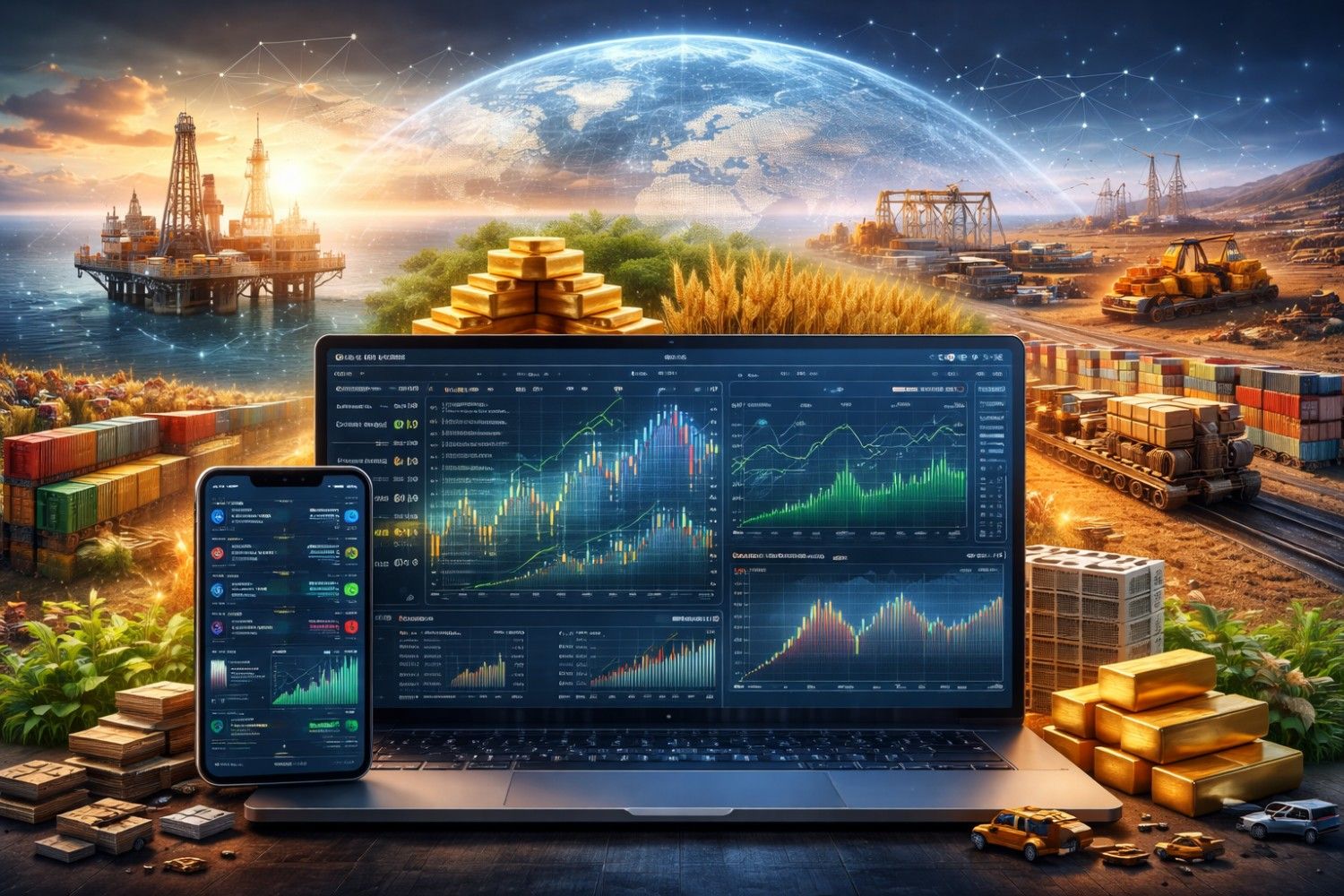
A commodity intelligence platform is a centralized system that provides real-time commodity market data, historical insights, and forecasting tools. Instead of relying on fragmented sources, companies can access comprehensive commodity information from a single dashboard.
For example, some platforms offer over 30 years of commodity price history alongside real-time data feeds. Therefore, users can compare historical trends with current market conditions to make better-informed decisions.
Moreover, commodity intelligence platforms support a wide range of users. Procurement teams, financial analysts, corporate treasuries, asset managers, traders, and investors all benefit from a unified source of commodity insights. By combining market intelligence with analytical tools, these platforms help organizations transform raw data into actionable strategies.
2. The Role of Real-Time Commodity Data
Making Faster and Smarter Market Decisions
Real-time data is the backbone of any commodity intelligence platform. Commodity markets can change rapidly, so businesses need immediate access to price movements, futures spreads, and spot rates.
With a global commodity dashboard, users can monitor multiple commodity exchanges simultaneously. Consequently, they gain instant visibility into key markets such as metals, energy, chemicals, and agriculture.
Real-time commodity feeds allow organizations to:
- Track spot prices and futures contracts
- Monitor market volatility
- Benchmark supplier pricing
- Identify favorable buying opportunities
Therefore, decision-makers can react quickly to market changes and protect their margins.
3. Commodity Forecasting Software
Planning Ahead with Predictive Insights
While real-time data shows current market conditions, predictive analytics help organizations prepare for the future. Commodity forecasting software uses historical market data, economic indicators, and statistical models to estimate future commodity price movements.
For instance, analysts can combine decades of commodity history with economic forecasts to project potential trends. As a result, businesses can plan budgets, negotiate supplier contracts, and optimize inventory strategies more effectively.
Forecasting capabilities are particularly valuable for industries that rely heavily on raw materials. Manufacturing companies, for example, can anticipate price fluctuations and adjust procurement strategies accordingly. In addition, financial teams can evaluate the impact of market changes on profitability.
4. Supporting Treasury and Risk Management
Strengthening Financial Strategy
Commodity price volatility often affects corporate financial performance. Therefore, treasury departments must actively manage commodity exposure and hedge against market risks.
This is where Treasury & Risk Management Solutions integrated within a commodity intelligence platform become extremely valuable. These solutions help organizations analyze commodity exposures and develop hedging strategies based on real-time market data.
For example, treasury teams can:
- Hedge raw material costs using live commodity feeds
- Evaluate the financial impact of price fluctuations
- Monitor currency exchange rates and capital markets
- Align commodity strategies with financial planning
By integrating commodity intelligence with treasury operations, organizations improve financial stability and risk management.
5. Industries and Teams That Benefit
From Procurement to Investment Strategy
Commodity intelligence platforms support a wide variety of business functions. Because commodities affect multiple areas of an organization, access to centralized market intelligence benefits several teams.
Procurement Teams:
Procurement professionals use commodity data to track supplier prices, negotiate better contracts, and manage sourcing strategies.
Analysts and Researchers:
Market analysts rely on historical commodity data and forecasting tools to study market trends and produce strategic insights.
Asset Managers and Investors:
Investment professionals analyze commodity markets to identify trading opportunities and manage portfolio risk.
Corporate Treasuries:
Treasury departments use commodity intelligence to integrate commodity exposure with financial planning and risk mitigation.
Consequently, a single platform can serve multiple departments within an organization.
6. Commodities and Markets Covered
A Comprehensive View of Global Markets
Modern commodity intelligence platforms cover a broad spectrum of global markets. This comprehensive coverage allows organizations to track the commodities most relevant to their operations.
Typical coverage includes:
Metals:
Gold, silver, copper, aluminum, iron, stainless steel, and more.
Energy:
Oil, natural gas, coal, and renewable energy markets.
Chemicals:
Soda ash, methanol, polymers, and petrochemicals.
Fertilizers and Agriculture:
Urea, DAP, cotton, wheat, rice, sugar, and livestock.
Foreign Exchange and Capital Markets:
Currency exchange rates, cryptocurrency, stock market data, and money markets.
As a result, users can monitor multiple interconnected markets from a single platform.
7. Flexible Data Access for Modern Workflows
Tools for Analysts, Developers, and Decision Makers
Commodity intelligence platforms are designed to integrate seamlessly into modern workflows. Users can access data in multiple formats depending on their needs.
Common access options include:
- Web terminals for interactive global commodity dashboards
- Excel integration for procurement and treasury teams
- Mobile apps for monitoring commodities on the go
- Data feed APIs for developers and fintech applications
- Secure file transfer protocols for large-scale data distribution
Because of these flexible access options, organizations can integrate commodity intelligence directly into their operational systems.
Conclusion: The Future of Commodity Intelligence
Commodity markets will continue to grow more complex and interconnected. Therefore, organizations must rely on data-driven insights to stay competitive.
A commodity intelligence platform brings together real-time market feeds, historical data, forecasting tools, and Treasury & Risk Management Solutions into a single ecosystem. In addition, advanced commodity forecasting software enables businesses to anticipate market trends and plan strategically.
Ultimately, platforms like those offered by Tresmark demonstrate how integrated commodity intelligence can support procurement, finance, investment research, and risk management. By centralizing commodity data and analytics, organizations gain the clarity they need to benchmark performance, forecast trends, and trade smarter.
For businesses that depend on commodity markets, adopting a comprehensive commodity intelligence platform is no longer optional—it is becoming a strategic necessity.