Introduction: The Infrastructure-Housing Connection in East Bengaluru
Urban development patterns across Bengaluru have historically followed one clear rule: where infrastructure improves, residential growth follows. This relationship has become particularly visible in the eastern part of the city, where large-scale road networks, expanding IT corridors, and transit improvements are redefining how residential communities are planned.
East Bengaluru, covering areas such as Whitefield, Varthur, Gunjur, and Sarjapur Road, has gradually evolved from a peripheral suburb into one of the city’s most active development zones. The presence of major employment hubs combined with ongoing infrastructure upgrades has encouraged developers to rethink how residential environments are designed.
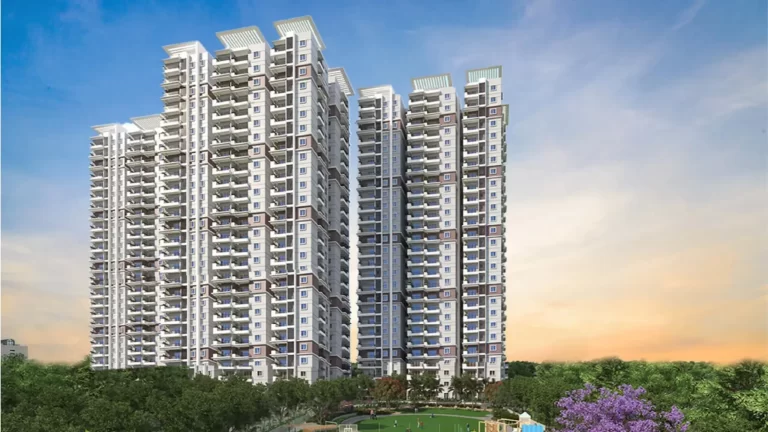
Instead of isolated apartment towers, the region is increasingly seeing master-planned township communities that align with long-term urban expansion. Developments such as Abhee Codename New Dimension illustrate how residential planning in East Bengaluru is adapting to infrastructure-driven growth patterns.
Understanding the relationship between infrastructure corridors and residential demand provides valuable insight into why township-style developments are expanding across this region.

What Are Infrastructure Corridors?
Infrastructure corridors are areas where transport networks, commercial zones, and urban utilities evolve together, creating a structured pathway for city expansion. These corridors often emerge around major road networks, metro lines, and employment districts.
Key components of infrastructure corridors typically include:
Major arterial roads and highways
Metro rail or public transit systems
Business and IT parks
Social infrastructure such as schools and hospitals
Retail and commercial centers
When these elements converge within a specific geographic zone, they create the foundation for long-term residential growth.
East Bengaluru represents one of the clearest examples of how such infrastructure corridors influence urban housing patterns.
Why East Bengaluru Has Become a Growth Corridor
Several factors have contributed to East Bengaluru’s transformation into a major residential hub.
1. IT and Technology Employment Clusters
The eastern corridor houses many of the city’s major technology parks and multinational campuses. The concentration of employment opportunities has created continuous demand for housing within commuting distance.
As technology companies expanded operations in Whitefield and nearby areas, residential development naturally followed.
2. Connectivity Improvements
Road upgrades and improved connectivity between major localities have strengthened East Bengaluru’s integration with the broader city.
Improved travel routes between Whitefield, Varthur, and Sarjapur Road have helped reduce commute friction, allowing residential communities to develop across a wider geographic area.
3. Availability of Large Land Parcels
Unlike older parts of Bengaluru where land availability is limited, East Bengaluru still offers larger land parcels suitable for township-scale developments.
This availability has enabled developers to move beyond compact apartment projects and create integrated residential communities.
The Emergence of Township-Style Developments
As infrastructure corridors mature, residential planning tends to shift toward larger community layouts rather than smaller standalone projects.
Township developments typically offer:
Multiple residential clusters
Landscaped open spaces
Internal road networks
Community amenities
Recreation and lifestyle facilities
Because these projects are planned across extensive land parcels, they allow developers to design residential environments that balance density with open space.
In East Bengaluru, township communities have become increasingly common because they align well with the region’s infrastructure expansion and urban growth trajectory.
The Role of Master Planning in Township Communities
Master planning is a central concept in township development. Instead of designing individual buildings independently, developers create a comprehensive layout that determines how residential structures, open spaces, amenities, and infrastructure interact.
Effective master planning considers several factors:
Traffic flow within the community
Distribution of green spaces
Accessibility to shared amenities
Residential density across clusters
By addressing these elements at the planning stage, township developments can achieve a more organized and sustainable residential environment.
Large-scale projects such as Abhee Celestial City Phase 2 demonstrate how phased township planning allows residential communities to grow gradually while maintaining structural consistency across the development.
Infrastructure as a Catalyst for Township Expansion
Infrastructure plays a significant role in determining where township communities emerge.
When major transport routes and employment zones expand into new areas, they create the conditions necessary for large residential communities to thrive.
In East Bengaluru, infrastructure corridors have encouraged developers to invest in projects that anticipate long-term population growth. Township developments benefit from these conditions because they are designed to function as self-contained residential ecosystems.
The relationship between infrastructure and residential growth becomes particularly evident when examining regional planning discussions around upcoming infrastructure developments in east bangalore, which continue to shape the trajectory of urban expansion in this corridor.
Open Spaces and Community Planning
One of the defining characteristics of township communities is the emphasis on open spaces and environmental balance.
Urban density often results in limited access to greenery and recreational areas. Township developments address this challenge by incorporating landscaped parks, walking trails, and shared outdoor spaces into the community design.
These spaces serve several purposes:
Enhancing overall residential livability
Providing recreation areas for residents
Improving environmental balance within dense urban zones
In rapidly developing corridors like East Bengaluru, such planning features play an important role in maintaining residential quality of life.
Developer Vision and Township Growth
The success of large-scale township developments often depends on the long-term vision of the developer behind them.
Developing a township requires substantial planning, investment, and infrastructure coordination. Developers must design residential communities that remain relevant as surrounding infrastructure evolves.
Companies such as Abhee Ventures Bangalore have contributed to East Bengaluru’s residential landscape by focusing on structured planning and community-oriented development models.
By working with larger land parcels and phased development strategies, township-focused developers aim to create residential environments that evolve alongside the city’s growth.
Why Township Communities Are Becoming More Common
Several broader urban trends explain why township developments are expanding across East Bengaluru.
Rising Urban Population
Bengaluru continues to attract professionals from across India, particularly in the technology sector. This population growth requires housing solutions capable of accommodating large numbers of residents.
Townships provide an efficient format for managing this demand while maintaining organized community layouts.
Demand for Integrated Living Environments
Modern residential communities are increasingly expected to provide more than just housing units. Residents value access to shared amenities, open spaces, and community infrastructure.
Township developments address these expectations by integrating residential living with lifestyle and recreational elements.
Long-Term Planning Advantages
Large-scale developments allow developers to implement structured planning strategies that consider long-term urban growth.
Phased township projects can adapt to evolving infrastructure and demographic patterns more effectively than smaller standalone developments.
East Bengaluru’s Future Development Outlook
Looking ahead, East Bengaluru is expected to remain one of the city’s most active residential growth corridors.
Several factors support this outlook:
Continued expansion of technology parks
Ongoing improvements in road connectivity
Development of new residential communities
Expansion of social infrastructure
As infrastructure projects progress and employment clusters grow, the region is likely to see further expansion of township-style residential developments.
These communities will continue to play a significant role in shaping how housing evolves across Bengaluru’s eastern corridor.
Conclusion: Infrastructure and the Future of Township Living
The growth of East Bengaluru illustrates how infrastructure corridors influence residential development patterns in rapidly expanding cities.
As connectivity improves and employment hubs expand, residential planning adapts to accommodate growing populations. Township-style developments have emerged as an effective response to these changing conditions.
By combining housing, open spaces, community amenities, and structured planning, township communities offer a model capable of supporting long-term urban growth.
In this evolving landscape, developments such as Abhee Codename New Dimension reflect how residential projects are aligning with infrastructure expansion and regional planning trends.
As East Bengaluru continues to develop, the relationship between infrastructure corridors and residential communities will remain a defining factor in shaping the city’s housing future.