

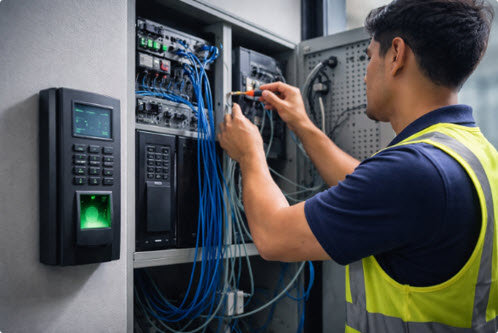
Developing a resilient framework for property protection requires a meticulous balance between physical robustness and digital intelligence. In contemporary architectural design, the transition from simple mechanical locks to sophisticated electronic interfaces has transformed how we perceive building safety. These modern systems allow for a dynamic response to security threats, enabling managers to lock down entire floors or grant temporary permissions with a few keystrokes. A professional installation focuses on creating a seamless experience for the daily user while maintaining a rigid barrier against unauthorised entry. By integrating various hardware components into a unified network, organisations can safeguard their intellectual property and physical assets while providing a safe environment for their workforce.
Key Takeaways:
- Map out internal zones to restrict the lateral movement of visitors.
- Deploy multi-factor authentication for sensitive data rooms.
- Synchronise security logs with time-stamped video evidence.
- Prioritise fail-safe mechanisms for all designated fire exits.
- Conduct bi-annual reviews of administrative user privileges.
Strategic Spatial Planning And Zoning
The effectiveness of any security strategy is rooted in the logical partitioning of a facility into distinct zones of varying sensitivity. Initial surveys must identify the primary perimeter, which acts as the first line of defence against external intruders. Once the outer shell is secured, internal zoning ensures that individuals who have passed the main entrance are still restricted from entering high-risk areas like laboratory spaces or executive suites without further verification. This method of compartmentalisation is essential for containing potential security breaches and preventing an unauthorised person from navigating the entire premises unchallenged.
Beyond mere restriction, spatial planning also considers the psychological and operational flow of the building. Entry points should be positioned to avoid congestion, especially during morning arrivals or shift changes where high volumes of staff require rapid authentication. Designers often use a combination of full-height turnstiles for external boundaries and sleek optical gates for internal lobbies to maintain a professional aesthetic while providing effective physical deterrence. By matching the hardware to the specific needs of each zone, facility managers can create a security environment that feels unobtrusive to authorised personnel but remains a formidable obstacle to those without valid credentials.
Advanced Hardware and Power Continuity
The physical reliability of a security network depends on the selection of industrial-grade components designed to withstand years of constant operation. Electric strikes and magnetic locks must be correctly specified to match the weight and usage frequency of the doors they secure. In professional settings, installers avoid consumer-grade hardware, opting instead for components that feature high holding force ratings and tamper-resistant casings. Ensuring that the physical barrier is as strong as the digital logic controlling it is a fundamental requirement for any serious security deployment, preventing forced entry through sheer physical pressure.
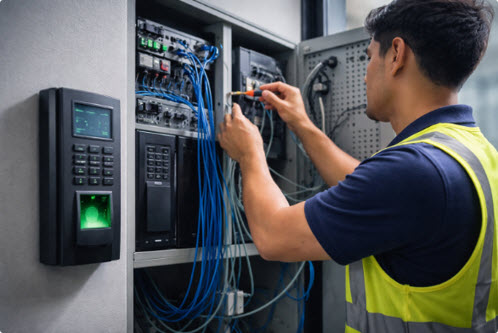
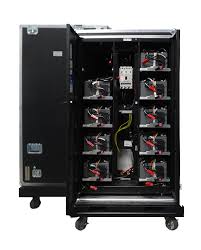
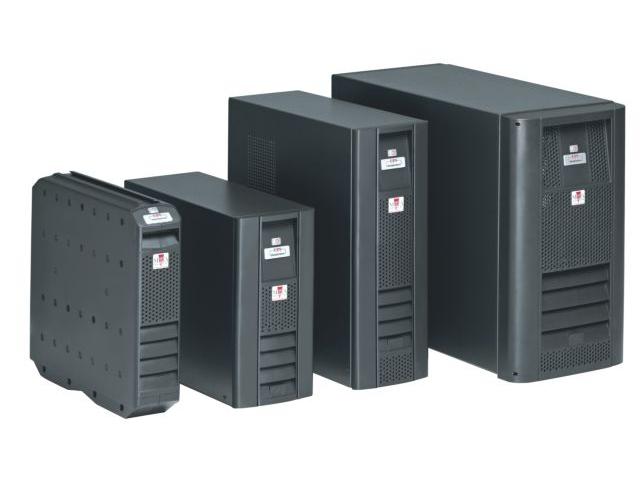
A critical yet often overlooked aspect of hardware design is the resilience of the system during a local power failure. To prevent the perimeter from becoming vulnerable during a blackout, professional installers integrate uninterruptible power supplies into the central control cabinets and individual door controllers. These backup units provide a consistent flow of electricity, ensuring that electronic locks remain engaged and readers continue to process credentials even when the main building power is lost. Regular testing of these backup systems is mandatory, as it guarantees that the security of the facility is never dependent on the stability of the municipal electrical grid.
Digital Credentials And Encryption Standards
The shift from physical keys to digital credentials has introduced a new layer of complexity regarding data security and signal integrity. Modern systems utilise smart cards or mobile tokens that carry encrypted data packets, which are decrypted by the reader only when a secure handshake is established. This prevents "sniffing" attacks where a malicious actor attempts to intercept the signal between the card and the reader to clone the identity of a staff member. By adopting high-level encryption standards, organisations can ensure that their identification process remains tamper-proof and that only genuine, authorised tokens can grant access to the building.
Mobile access technology is further refining this process by utilising the secure enclave of smartphones to store digital keys. This method provides an additional layer of security, as the device itself usually requires biometric or passcode verification before the access signal can be sent. For the administrator, mobile credentials eliminate the logistical burden of printing and distributing plastic cards, which are frequently lost or stolen. Issuing a digital key can be done remotely in seconds, allowing for a highly responsive approach to visitor management and contractor access while maintaining a strict audit trail of every digital handshake.
Integrating Safety And Emergency Egress
Security measures must be perfectly harmonised with life safety protocols to ensure that a building remains a safe haven during a crisis. Fire safety regulations dictate that all electronic locks on designated exit routes must be fail-safe, meaning they automatically unlock the moment a fire alarm is triggered. This hard-wired integration ensures that smoke or heat does not trap occupants behind locked doors that require a credential to operate. A professional system design prioritises the unhindered movement of people during an evacuation, ensuring that every second is utilised to move personnel to a safe muster point outside the building.
Secondary safety measures include the installation of manual release buttons and break-glass units at every secure exit. These devices serve as a critical backup should the automated fire integration fail due to a hardware fault or a disconnected wire. It is vital that these overrides are clearly visible and that their function is explained to all staff during their initial health and safety induction. Regular "pull tests" should be conducted by maintenance teams to verify that the physical release of the lock occurs immediately upon activation. This dual-layered approach to safety ensures that the building meets all legal compliance standards while providing the highest level of protection for human life.
Network Infrastructure And Cyber Defence
As access systems become increasingly reliant on Internet Protocol (IP) networks, they must be defended against digital threats with the same rigour as the physical doors. It is a standard industry practice to isolate security traffic on a dedicated virtual local area network (VLAN), which prevents a compromised office computer from accessing the sensitive controllers or the management server. This segregation also helps in managing network bandwidth, ensuring that security data packets always have priority and are not delayed by general office internet usage. A well-protected network is the foundation upon which a reliable digital security framework is built.
Cyber defence also involves the diligent management of the hardware itself, including changing default passwords and disabling unused communication ports on the controllers. Encryption should be applied to all data in transit across the building's wiring to prevent man-in-the-middle attacks, where an intruder attempts to inject unauthorised commands into the system. Regularly applying firmware updates from the manufacturer is another essential task, as these patches often contain critical fixes for newly discovered security vulnerabilities. By treating the security network as a critical part of the IT infrastructure, organisations can protect themselves from sophisticated hackers who might seek to bypass physical locks through the digital backdoor.
Administrative Oversight And Data Auditing
The management software acts as the central brain of the facility, providing administrators with a comprehensive overview of all entry events and system health alerts. A robust interface allows for the creation of complex access schedules, ensuring that doors are only accessible during specific hours and that certain staff members are restricted from entering the building on weekends. This granular level of control is essential for modern businesses that operate with flexible hours or hire temporary contractors. The ability to see real-time events allows security teams to respond immediately to any "door forced" or "door held" alarms, preventing minor incidents from escalating.
A powerful reporting engine is a valuable tool for maintaining compliance and conducting post-incident investigations. Being able to pull a detailed history of every entry and exit allows managers to verify attendance, track visitor movements, and identify unusual patterns that might indicate an internal security threat. These logs are often required by insurance companies and regulatory bodies to prove that the organisation is taking reasonable steps to protect its premises and data. By maintaining a clean and accurate audit trail, facility managers can demonstrate a high level of professional oversight and ensure that the security system remains an effective deterrent against both internal and external threats.
Read another Article: Designing Secure Access Networks