

Introduction
Islamic education has played a vital role in shaping communities, cultures, and civilizations for centuries. It is a system of learning that combines academic knowledge with moral values and spiritual guidance based on the teachings of the Qur’an and the traditions of the Prophet Muhammad (peace be upon him). Islamic education aims to develop well-rounded individuals who excel in both worldly knowledge and religious understanding. In today’s modern world, Islamic education continues to evolve by integrating contemporary subjects with traditional teachings, ensuring that students are prepared for both their professional careers and their responsibilities as ethical members of society.
The Foundation of Islamic Education
At the core of Islamic education lies the belief that seeking knowledge is an act of worship. Islam encourages both men and women to pursue education throughout their lives. The Qur’an repeatedly emphasizes the importance of learning, reflection, and understanding the world. This philosophy forms the foundation of Islamic schools and educational institutions worldwide.
Islamic education is not limited to religious studies alone. While subjects such as Qur’anic studies, Hadith, Fiqh (Islamic jurisprudence), and Arabic are essential components, modern Islamic institutions also teach mathematics, science, literature, and technology. This balanced approach ensures that students receive a comprehensive education that prepares them for the modern world while strengthening their faith.
Moral and Ethical Development
One of the most significant aspects of Islamic education is the emphasis on character building. Students are taught values such as honesty, respect, kindness, humility, and responsibility. These values are derived from Islamic teachings and are integrated into everyday learning and school life.
Teachers play an important role in guiding students not only academically but also morally. By following the example of the Prophet Muhammad (peace be upon him), educators encourage students to develop good manners, compassion, and social responsibility. The goal is to produce individuals who contribute positively to society and uphold ethical standards in all aspects of life.
Integration of Modern and Religious Knowledge
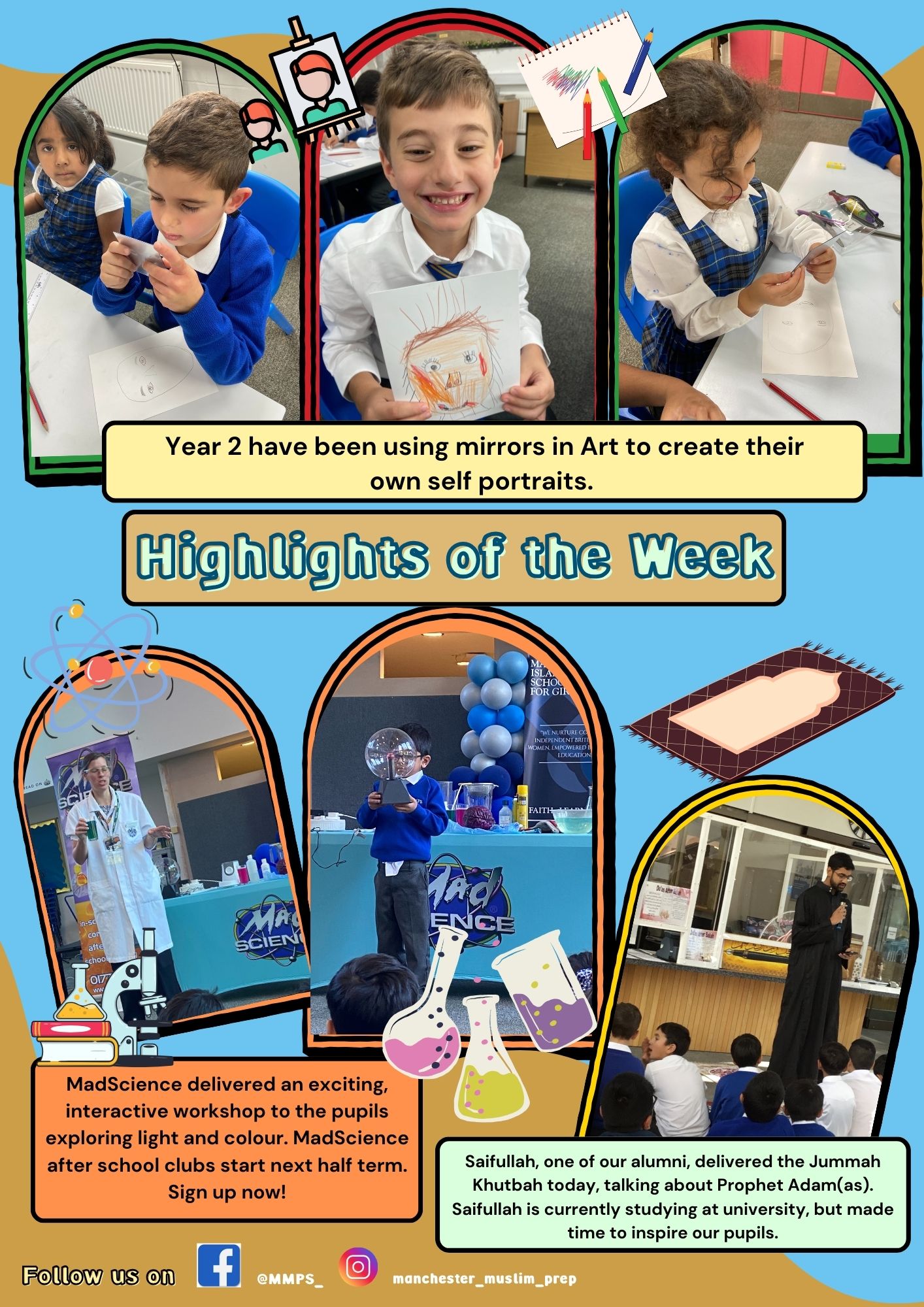
Modern Islamic educational institutions aim to create a balance between religious knowledge and contemporary academic subjects. Students study science, technology, mathematics, and languages alongside Islamic studies. This integrated curriculum allows students to gain a deeper understanding of both their faith and the world around them.
Such an approach prepares students for higher education and professional careers while maintaining a strong Islamic identity. Many Islamic schools around the world have adopted modern teaching methods, digital learning tools, and advanced academic programs to ensure that students receive high-quality education.
The Role of Islamic Schools in Communities
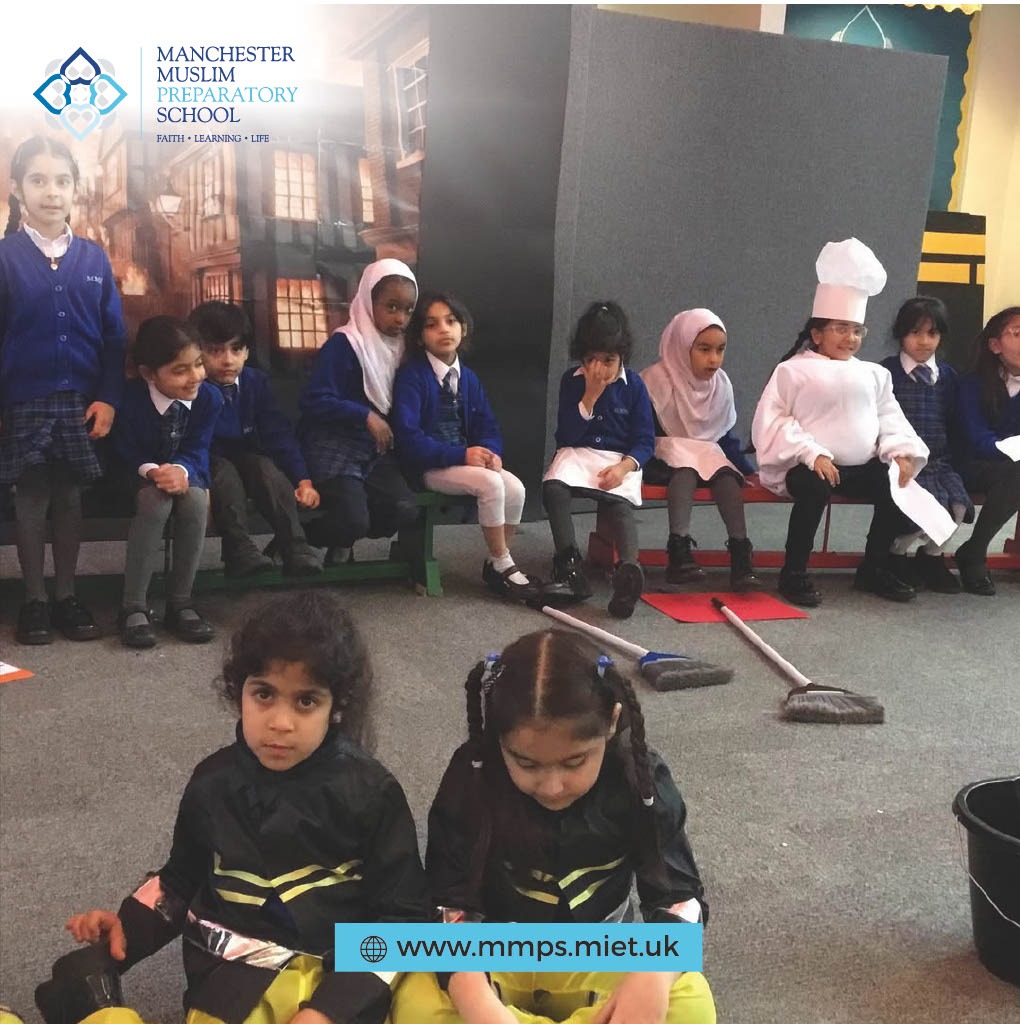
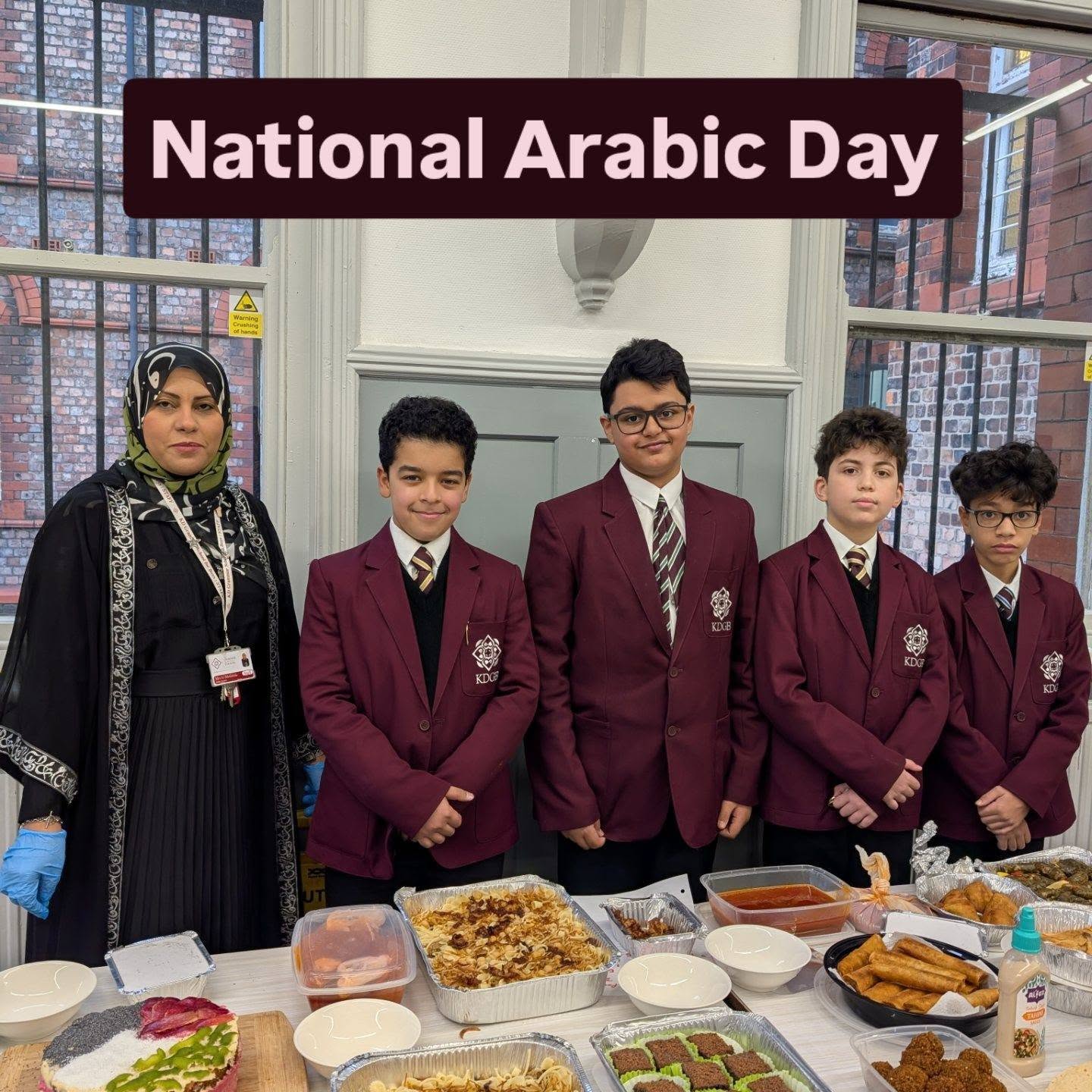
Islamic schools serve as important centers of learning and community development. They provide a safe and supportive environment where students can learn about their faith while achieving academic excellence. These institutions often encourage community involvement, charitable activities, and social awareness.
Parents choose Islamic schools because they offer an environment that nurtures both academic growth and spiritual development. Students are encouraged to practice their faith, participate in community service, and develop leadership skills that benefit society.
Challenges and Opportunities
Despite their many benefits, Islamic educational institutions face certain challenges. These may include limited resources, the need for trained educators, and the task of balancing traditional teachings with modern educational demands. However, many institutions are successfully addressing these challenges by adopting innovative teaching strategies and collaborating with educational organizations.
The growing demand for Islamic education has also created opportunities for the establishment of new schools, educational programs, and online learning platforms. These initiatives allow students from different parts of the world to access quality Islamic education.
Conclusion
Islamic education is more than just a system of learning; it is a holistic approach that nurtures knowledge, faith, and character. By combining religious teachings with modern academic subjects, Islamic education prepares students to succeed in both their personal and professional lives. It instills strong moral values, encourages lifelong learning, and helps individuals become responsible members of society. As Islamic educational institutions continue to evolve and adapt to modern challenges, they remain an essential part of building knowledgeable, ethical, and compassionate communities for future generations.