Introduction
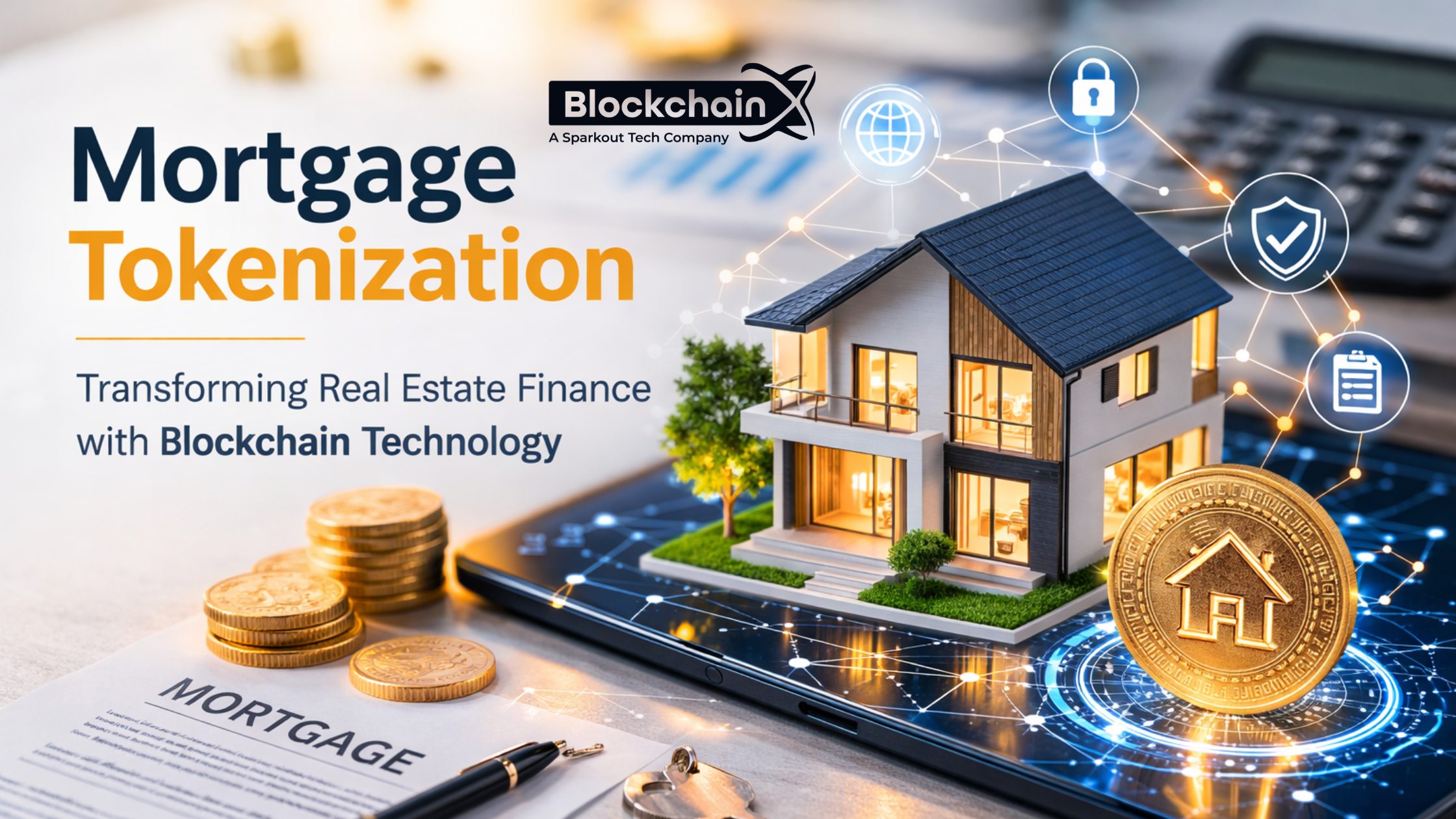
The real estate industry has traditionally relied on complex and time-consuming financial systems for mortgages and property investments. However the rise of blockchain technology is changing how real estate assets are financed and managed. One of the most promising innovations in this area is mortgage tokenization. By converting mortgage funds into digital tokens on a blockchain to lenders and investors can benefit from improved transparency faster transactions and increased liquidity. Mortgage tokenization is rapidly emerging as a powerful tool in modern real estate finance to enable fractional ownership and expanding investment opportunities across global markets.
Understanding Mortgage Tokenization
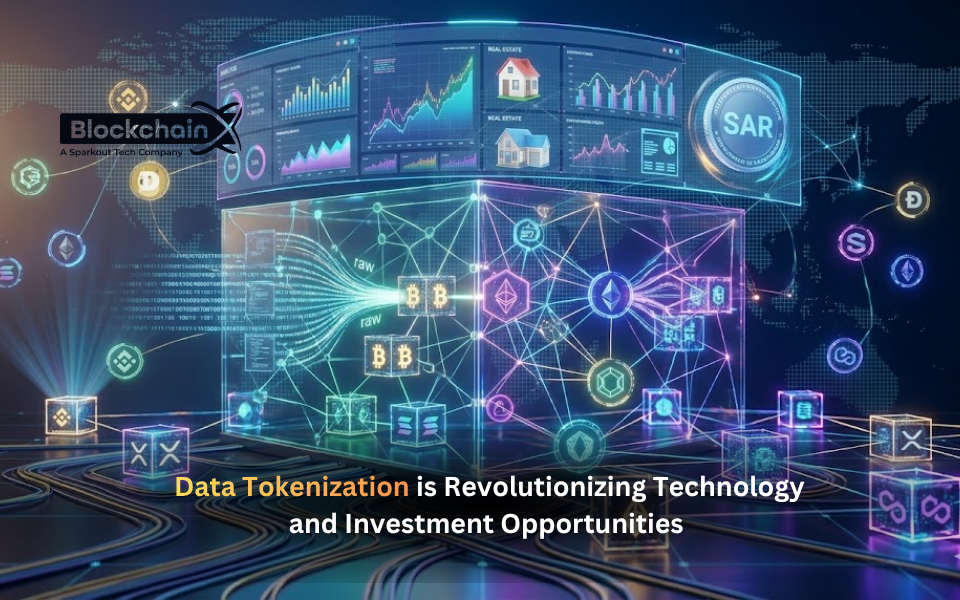
Mortgage tokenization is the process of converting mortgages or mortgage backed assets into digital tokens that exist on a blockchain network. These tokenization represent ownership rights or shares in a collateral. Instead of relying solely on traditional financial institutions and lengthy approval procedures on blockchain technology allows mortgages to be broken down into smaller digital units that can be bought sold or traded securely.
Each token represents a part of the mortgage or real estate financing structure. Investors who buy these tokens can earn returns based on mortgage payments or property performance. This approach introduces a more flexible and accessible investment model compared to traditional real estate financing.
How Mortgage Tokenization Works
Mortgage tokenization typically involves several key steps. First a real estate or mortgage is selected for tokenization. The ownership rights or loan value is then converted into digital tokens using blockchain technology. These tokens are issued through a tokenization platform and stored on a distributed ledger.
Smart contracts play an important role in this process by automating financial agreements and payment distributions. When borrowers pay off mortgages the smart contracts automatically allocate returns to token holders based on their stake. Blockchain records ensure transparency and prevent tampering making the system secure and reliable.
Benefits of Mortgage Tokenization
Increased Liquidity
One of the major challenges in traditional property investment is limited liquidity. Properties and mortgages are typically long-term investments that are difficult to sell quickly. Mortgage tokenization allows these assets to be divided into tradable digital tokens to making it easier for investors to enter and exit the market.
Fractional Ownership
Tokenization enables fractional ownership to allow multiple investors to participate in a single mortgage asset. This lowers the investment barrier and opens property opportunities to a wider range of investors.
Transparency and Security
Blockchain technology provides a transparent and immutable overview of transactions. All ownership transfers and payment distributions are recorded on the blockchain to reducing the risk of fraud and improve trust among participants.
Faster Transactions
Traditional mortgage financing involves several intermediaries the paperwork and long processing times. Tokenization simplifies these processes through automated smart contracts and significantly reduces transaction times and administrative costs.
Global Investment Access
Mortgage tokenization allows investors from around the world to participate in real estate markets without geographic restrictions. This global availability on expanded financing options for real estate developers and lenders.
Key Use Cases of Mortgage Tokenization
Real Estate Investment Platforms
Tokenized mortgage assets can be offered through digital investment platforms to enabling individuals to invest in property backed mortgages with lower capital requirements.
Mortgage Backed Securities
Financial institutions can tokenize mortgage backed securities to creating a digital assets that represent and mortgages. These tokens can be traded and more efficiently compared to traditional securities.
Peer to Peer Lending
Blockchain platforms can connect borrowers and investors directly to enabling decentralized mortgage systems where investors fund loans through token purchases.
Real Estate Crowdfunding
Tokenization supports real estate crowdfunding models to where multiple investors contribute funds to mortgage financing projects through tokenized assets.
The Future of Mortgage Tokenization
The mortgage tokenization looks promising as blockchain adoption continues to grow in the financial sector. As regulatory and clarity improves to technological solutions mature on tokenized mortgage platforms may become a common method of financing real estate projects. Financial institutions the property developers and investors are increasingly exploring blockchain based systems to increase efficiency and unlock new sources of capital.
Mortgage tokenization has the potential to reshape the real estate finance ecosystem by creating a more transparent and accessible to efficient on investment environment.
Conclusion
Mortgage tokenization represents a significant advance in the development of real estate financing. By leveraging blockchain technology and traditional collateral can be transformed into secure digital tokens that enable shared ownership to improve the liquidity and greater transparency. This innovative approach not only simplifies investment processes but also opens up global opportunities for investors and lenders. As blockchain adoption grows and regulatory frameworks continue to evolve the mortgage tokenization is expected to play an increasingly important role in creating a more efficient and more accessible modern real estate finance ecosystem.