

Hidden Capacity: Unlocking 20% More Manufacturing Output Without New Equipment

The most expensive line item in many manufacturing budgets is not equipment. It is an underutilized capability already embedded in the system.
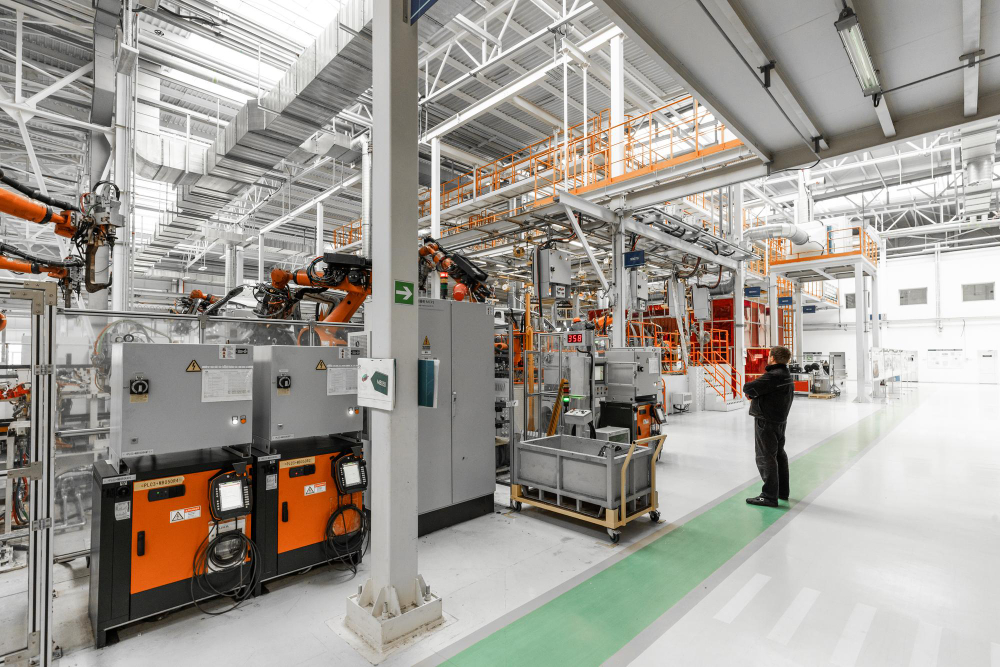
Across facilities reporting strong utilization and stable demand, actual throughput still trails what the installed base should theoretically deliver. Equipment effectiveness varies by product mix, production efficiency fluctuates across shifts, and small coordination gaps compound into measurable output loss in modern smart manufacturing solutions environments.
Manufacturing capacity optimization at this level is more about system precision within smart manufacturing solutions environments. Capacity is constrained by sequencing logic, constraint interaction, startup stability, and decision latency. When these elements drift out of alignment, effective output declines even while machines remain occupied.
The opportunity is structural. By interrogating system-level throughput and aligning operational execution around true constraints, manufacturers can release significant latent capacity without new capital expenditure or extended ramp-up timelines, increasing manufacturing output without new equipment.
To see how structured execution frameworks enable this shift, explore our approach to smart manufacturing solutions.
The Invisible Factory: Why Significant Capacity Disappears
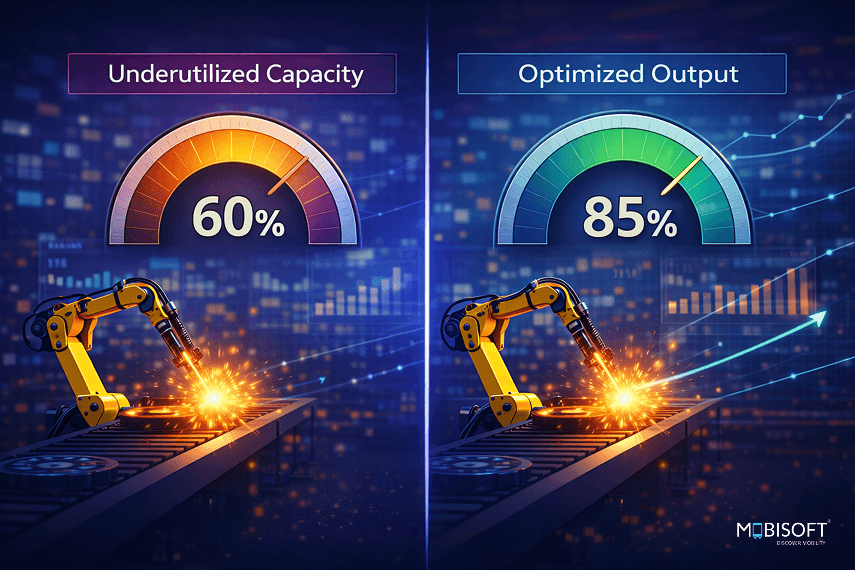
Hidden capacity rarely sits inside a single metric. It resides in how constraints interact, how transitions are structured, and how teams coordinate under pressure. A sharp diagnostic must therefore examine system behavior, not isolated performance numbers within ongoing Manufacturing digital transformation initiatives.
Lens 1: The Constraint Architecture
View the constraint as a network condition, not a single machine. Product mix, supplier timing, and maintenance windows can reposition the true throughput limiter across shifts in complex industry 4.0 solutions environments.
Run a stress test: if the current bottleneck doubled its speed tomorrow, which approval gate, process, or material dependency would restrict flow next?
Track WIP accumulation and starvation patterns. Imbalanced buffers often indicate planning logic that alternately floods and starves the real constraint, making it harder to unlock hidden manufacturing capacity.
Lens 2: The Changeover Economics
Evaluate changeovers as economic decisions. Duration matters, but frequency and sequencing logic often exert greater influence on manufacturing throughput within structured technology-driven manufacturing optimization programs.
Challenge batch assumptions. Large runs may stabilize utilization while increasing inventory risk and reducing schedule responsiveness.
Analyze transition clustering across the planning horizon. Smarter sequencing can lower total changeover burden without shortening individual setup steps.
Lens 3: The Cross-Functional Coordination Index
Compare planned schedules with actual execution windows. Persistent deviation signals coordination gaps rather than equipment limits.
Identify friction between production, maintenance, and quality priorities. Local risk optimization often suppresses system-level output even in facilities deploying industrial automation solutions.
Measure decision latency. Delayed confirmations and reactive interventions compress effective production time, even when equipment remains available.
See how connected systems powered by industrial IoT solutions reduce coordination gaps across production environments.
Read more: Hidden Capacity: Unlocking 20% More Manufacturing Output Without New Equipment