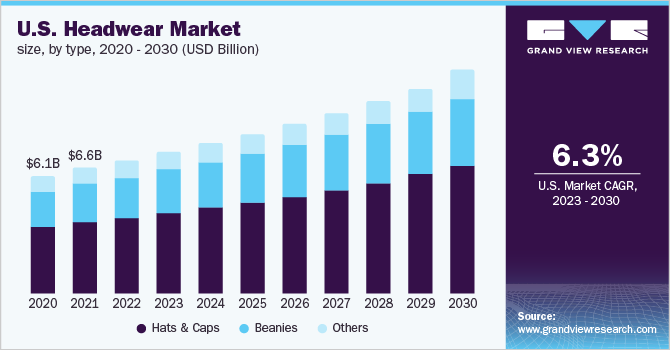
Walk into any American city and look up. Baseball caps branded with streetwear logos. Bucket hats are worn not at the beach but at brunch. Beanies in July. Nowadays, U.S. headwear demand has undergone a quiet but fundamental shift. What was once a functional category, something you grabbed before a run or packed for a cold trip, has become a primary vehicle for personal expression, cultural identity, and brand affiliation.
The numbers are beginning to tell that story clearly. Grand View Research's Voice of Consumer Survey on U.S. headwear, drawing on one of the most comprehensive consumer datasets in the market, reveals what is actually driving this shift and what it demands from every brand playing in this space.
Five Signals Every Brand Should Be Reading Right Now
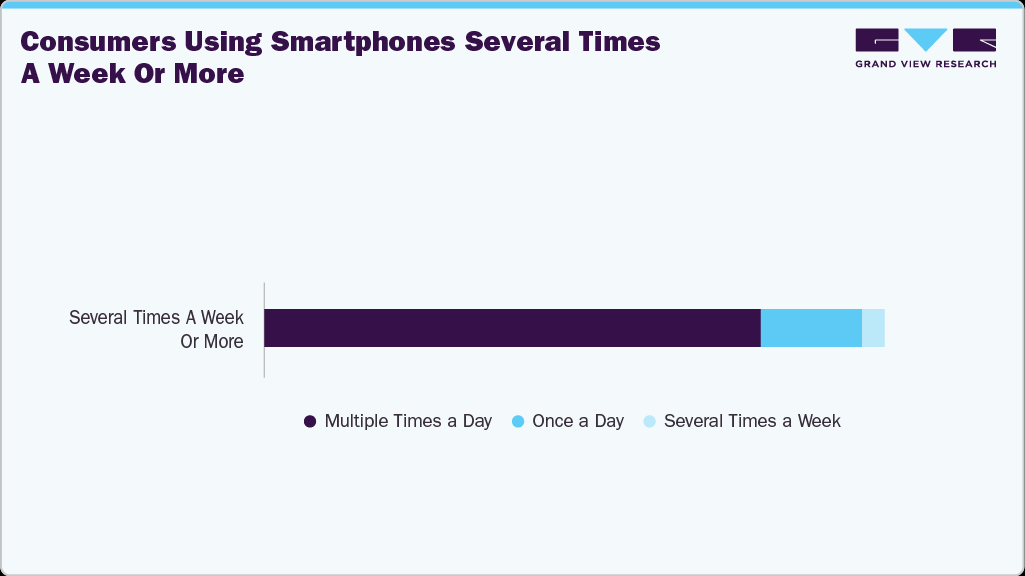
Begin with the usage picture, as it challenges the obvious assumption. Headwear isn’t typically a daily habit for most U.S. consumers. While data show that 63% of consumers wear headwear occasionally or less, changing post-pandemic lifestyles like hybrid work and more outdoor activities are fueling demand for versatile, comfort-driven designs.
At first glance, that may seem contradictory. In reality, it signals an opportunity hiding in plain sight. A category with strong cultural momentum and significant room to grow usage frequency is one where brand presence, timing, and relevance can meaningfully move the needle.
The second signal is the gender split, and it is more nuanced than most brands appreciate. Women wear headwear primarily to express their style. Men wear it for comfort and everyday functionality first, style second. Same product. Different emotional contract. Brands running a single creative platform across both audiences are leaving meaningful connection on the table.
“Women choose headwear to be seen. Men choose it to feel right. One brand message cannot do both jobs equally well.”
The third signal is where the purchase actually happens. Gen Z is buying headwear through fashion e-commerce platforms. Millennials are heading to department stores. Two generations, two completely different retail environments, two different discovery and decision journeys. The brands investing in both channels with channel-native strategies are the ones building reach across the full demand curve.
Comfort & Cost Closes More Deals Than Cool
Here is what the data says that nobody in a trend deck will tell you. 8 out of 10 headwear purchases come down to two things: comfort and fit, and seasonal sales and discounts. Not the logo. Not the collab. Not the limited drop. Comfort and price.
That does not mean brand and culture do not matter. They absolutely do, especially in driving initial consideration and aspiration. But at the moment of truth, in the fitting room or at the checkout, the consumer asking themselves whether this feels right and whether it is worth the price is the consumer who buys or walks away.
The Brand Reality Check
The U.S. headwear market remains highly competitive; however, leading brands including Nike, Adidas, Puma, Reebok, The North Face, Patagonia, Brooks Running, and ASICS continue to hold strong brand presence. Among them, Nike stands out with 60% aided brand awareness. But awareness is not loyalty, and in headwear, loyalty is where the long-term revenue lives.
“The brand consumers recognize is not always the brand they recommend. In headwear, that gap between recognition and recommendation is exactly where competitive advantage is built or lost.”
What sits inside that gap is worth examining closely? Where challenger brands like Puma and The North Face position themselves within the purchase funnel. Where Nike loses consumers and what triggers the switch. How awareness, consideration, preference, and purchase intent stack up across every major player. And why brands like Reebok and The North Face are quietly gaining ground through collaboration, signaling that the next phase of competition in this market has already begun.
Three Moves That Separate the Leaders from the Rest
- Channel Precision: Leading brands recognize that Gen Z and Millennials shop differently and tailor strategies accordingly. They treat fashion e-commerce and department store retail as distinct environments, with separate assortments, messaging, and promotions.
- Occasion Expansion: While much headwear use occurs during casual outings, brands are expanding demand by positioning products for colder weather, outdoor activities, sports, and fitness occasions.
- The Two-Year Relationship: With consumers typically replacing headwear every two years, successful brands maintain engagement through product quality, community building, and timely presence before the next purchase cycle.
The Bottom Line
Brands that capture momentum are those that understand consumers beyond demographics. They know why she is buying. They know what he needs to feel before he commits. They know which channel to show up on, which occasion to own and which emotional territory to claim.
The full picture is in the data. This briefing has only opened the door.