





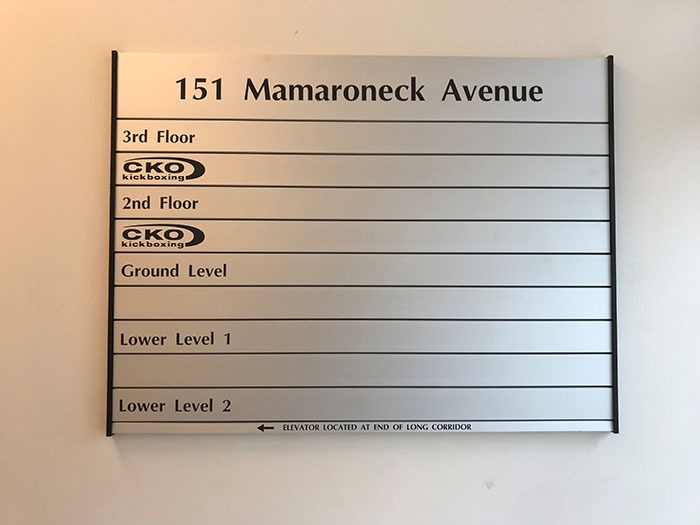
In modern commercial spaces such as office buildings, shopping centers, hospitals, and corporate campuses, navigation can often be challenging for visitors. Large buildings with multiple floors, departments, and businesses require clear direction to help people move efficiently. This is where custom directory signs play a vital role.
Custom directory signs are designed to guide visitors, tenants, and employees by providing organized information about locations within a building or complex. When designed and installed properly, these signs significantly improve wayfinding, enhance user experience, and reinforce a business’s professional image.
In this article, we’ll explore how custom directory signs improve wayfinding in commercial spaces and why they are an essential investment for businesses and property managers.
What Are Custom Directory Signs?
Custom directory signs are informational signage systems that display a list of businesses, departments, offices, or services within a building. These signs help visitors quickly identify where they need to go.
They are commonly placed in areas such as:
- Building entrances
- Lobby reception areas
- Elevator banks
- Hallways and corridors
- Parking garages
Unlike generic signage, custom directory signs are tailored to match a building’s layout, branding, and navigation requirements.
The Importance of Wayfinding in Commercial Spaces
Wayfinding refers to the system that helps people navigate through physical spaces. In large commercial buildings, effective wayfinding reduces confusion and ensures visitors reach their destinations quickly.
Without proper signage, visitors may feel frustrated or lost, which can negatively affect their overall experience. Businesses may also face increased interruptions when employees are frequently asked for directions.
Custom directory signs solve this problem by providing clear, structured navigation that improves efficiency for everyone inside the building.
How Custom Directory Signs Improve Navigation
1. Clear and Organized Information
One of the main benefits of custom directory signs is that they present information in a structured format. Businesses, departments, and offices are typically listed alphabetically or by floor level, making it easier for visitors to locate their destination.
This organized presentation helps eliminate confusion and allows people to quickly scan the sign to find the information they need.
2. Faster Visitor Movement
In busy commercial spaces, efficiency is critical. Custom directory signs help visitors navigate buildings faster by providing clear directions at key locations.
For example, a directory placed near an elevator can show which floor each business or department is located on. This reduces the time visitors spend searching for offices and minimizes congestion in hallways or reception areas.
3. Reduced Dependence on Staff Assistance
When buildings lack proper signage, visitors often rely on staff members for directions. This can disrupt productivity and create unnecessary delays.
Custom directory signs allow visitors to navigate independently without needing assistance. As a result, employees can focus on their work rather than repeatedly answering directional questions.
4. Improved Accessibility
Well-designed directory signage supports accessibility by ensuring information is easy to read and understand for all visitors.
Many modern directory signs include features such as:
- Large, high-contrast lettering
- Braille for visually impaired individuals
- Clear icons and symbols
- ADA-compliant design standards
These features help ensure that everyone, including individuals with disabilities, can navigate the building comfortably.
5. Professional Appearance and Branding
Custom directory signs also contribute to the overall aesthetic of a commercial space. High-quality signage creates a professional and organized environment that leaves a positive impression on visitors.
Businesses often incorporate their brand colors, logos, and typography into directory signage to maintain visual consistency throughout the building.
A well-designed directory not only improves navigation but also strengthens brand identity.
Types of Custom Directory Signs
Different commercial environments require different types of directory signage. Some of the most common options include:
Lobby Directory Signs
These are typically installed in the main entrance or reception area and display a complete list of tenants or departments within the building.
Floor Directory Signs
Placed near elevators or staircases, these signs indicate which offices or services are located on each floor.
Wall-Mounted Directory Signs
These are installed along hallways or corridors to guide visitors toward specific locations.
Digital Directory Signs
Digital directories use screens to display interactive building maps and tenant listings. They allow visitors to search for businesses quickly and receive directions.
Modular Directory Signs
These signs are designed with interchangeable panels, making it easy to update tenant information when businesses move in or out.
Key Design Elements for Effective Directory Signs
To maximize the effectiveness of custom directory signs, several design factors must be considered.
Readability
Text should be large, clear, and easy to read from a distance. Sans-serif fonts and high-contrast color combinations improve visibility.
Logical Layout
Information should be arranged in a way that is easy to scan, such as alphabetical listings or floor-based organization.
Strategic Placement
Directory signs should be positioned in high-traffic areas where visitors naturally look for information, such as entrances or elevator lobbies.
Durable Materials
Commercial signage must withstand daily use. Materials like acrylic, metal, glass, and aluminum are commonly used because they are durable and visually appealing.
Benefits for Property Managers and Businesses
Custom directory signs provide multiple benefits for building owners, tenants, and visitors.
Better Visitor Experience
Visitors feel more confident and comfortable when they can easily find their destination.
Increased Efficiency
Clear navigation reduces confusion and helps maintain smooth movement throughout the building.
Enhanced Building Value
Professional signage improves the overall appearance and functionality of commercial spaces.
Easy Updates for Tenants
Modular directory systems allow quick updates when tenants change, saving time and cost.
Why Professional Installation Matters
While the design of directory signs is important, proper installation is equally critical. Poorly placed or incorrectly mounted signs can reduce visibility and effectiveness.
Professional sign installers understand optimal placement, secure mounting methods, and compliance with building regulations. They ensure that the signage integrates seamlessly with the building’s architecture and interior design.
Frequently Asked Questions (FAQ)
1. What is the purpose of a directory sign?
A directory sign helps visitors locate businesses, departments, or offices within a building by displaying organized information about where each destination is located.
2. Where should directory signs be installed?
Directory signs are typically installed in lobbies, entrances, elevator areas, hallways, and other high-traffic locations where visitors look for navigation information.
3. What materials are used for custom directory signs?
Common materials include acrylic, aluminum, stainless steel, glass, and PVC. These materials are durable and provide a professional appearance.
4. Are directory signs required to follow accessibility standards?
Yes. Many commercial buildings must follow ADA guidelines, which include requirements for readable text, braille, and accessible placement.
5. Can directory signs be updated easily?
Yes. Many modern directory signs are modular, allowing panels to be replaced or updated when tenant information changes.
Conclusion
Effective navigation is essential in large commercial environments. Without proper guidance, visitors can easily become confused or frustrated when trying to locate offices, businesses, or services. Custom directory signs solve this challenge by providing clear, organized information that improves wayfinding and enhances the visitor experience.
From reducing confusion to strengthening branding and professionalism, directory signage plays a vital role in the functionality of commercial spaces. When thoughtfully designed and strategically placed, these signs create a more efficient and welcoming environment for everyone.
Businesses looking to improve their building navigation and signage quality can rely on experienced professionals such as Street Style Sign Studio, known for delivering high-quality custom directory sign solutions that combine functionality, durability, and modern design for commercial spaces.
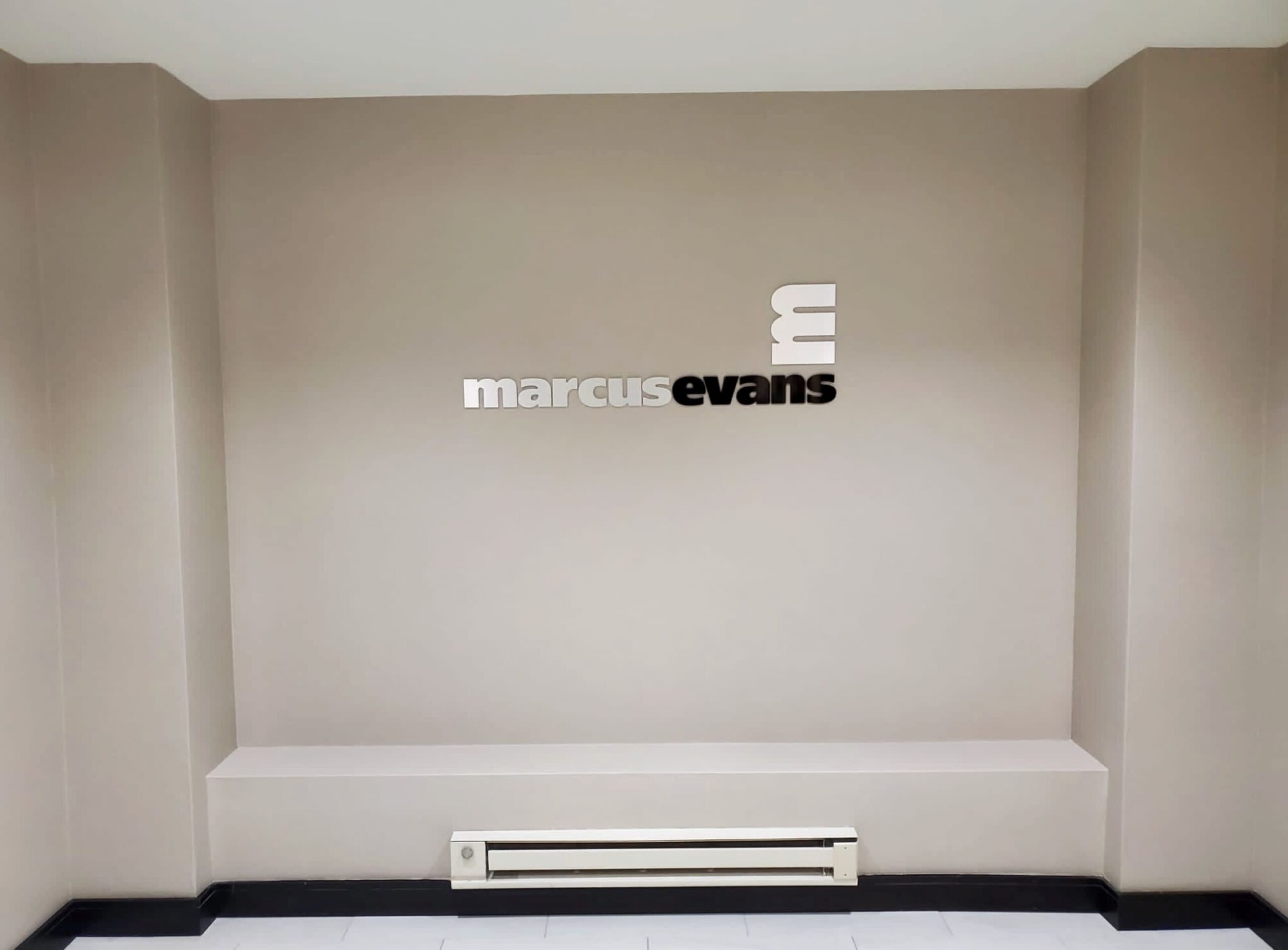


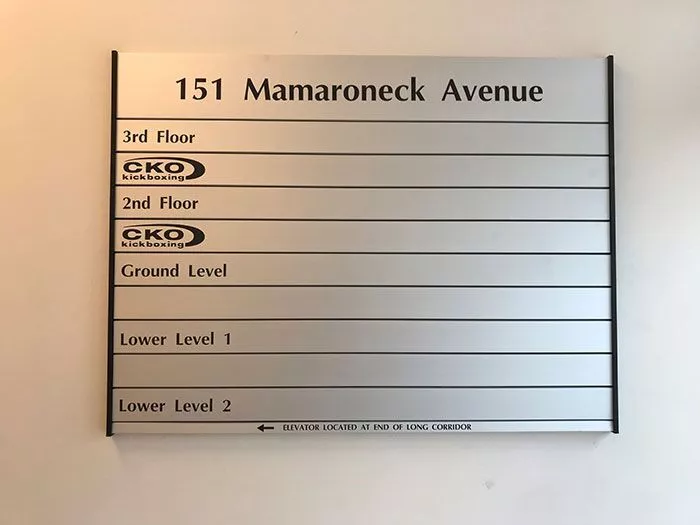

At 3Sixty Sign Solution order your custom lobby signs, business reception signs, lobby directory Signs and acrylic office signs for your business.
To know more about our services call us now at 587-456-6322