



Alcide Honoré is a co-founder of Billseye Inc. and an attorney with more than sixteen years of experience working with professionals and growing businesses. His work focuses on helping service teams understand how their daily activities create real business value. Alcide Honoré shares 6 practical ways teams can turn client interactions into value. Client calls, emails, and meetings often contain important insights about work, time, and service quality. When teams track and organize these interactions properly, they can improve teamwork, understand client needs better, and avoid losing revenue. These simple strategies help organizations manage communication more clearly and support steady growth.
1. Record Every Client Conversation
Capturing all client conversations is essential for maintaining a complete view of service activity. Emails, phone discussions, video meetings, and written messages often include instructions, updates, and decisions that affect project progress. When teams consistently record these interactions, they build a reliable source of information about client engagement. This record helps organizations understand the amount of work involved in supporting clients and ensures that important details remain accessible whenever they are needed.
2. Link Conversations With Tasks and Projects
Client discussions often lead to specific assignments and project updates. When communication is connected to project tasks, teams gain better control over how work is managed. This approach helps team members understand how conversations translate into action. By linking messages with project management systems, organizations can keep track of responsibilities, timelines, and deliverables more clearly. This process supports better coordination and keeps teams aligned with client expectations.
3. Recognize the Value of Everyday Interactions
Many important contributions happen during routine conversations with clients. Advice given during short calls, clarifications provided through emails, and guidance shared during meetings all add meaningful value. These interactions are often overlooked because they happen outside formal project structures. By paying attention to these daily exchanges, organizations can better understand the true effort involved in serving clients. Recognizing this value helps teams appreciate the full impact of their work.
4. Strengthen Team Communication
When communication records are easily available to team members, collaboration becomes more efficient. Shared access to client discussions allows everyone involved in a project to stay informed about updates, instructions, and client feedback. This reduces confusion and helps teams respond faster to new developments. With better access to information, team members can work together more effectively and maintain consistency in the services they provide.
5. Use Digital Systems to Manage Communication
Technology makes it easier to store, organize, and review large amounts of client communication. Digital platforms can collect messages from different channels and organize them in one place. These systems allow teams to review past conversations, track ongoing discussions, and connect communication with client accounts or projects. By organizing communication data in a structured way, organizations can gain insights that support better planning and improved service delivery.
6. Create Clear Responsibility and Visibility
Well-documented communication helps organizations maintain clear responsibility across teams. When conversations and actions are properly recorded, it becomes easier to track who handled certain tasks and how client requests were addressed. This level of visibility allows managers to monitor progress and ensure that work is completed as expected. Transparency also builds trust within teams and helps maintain reliable relationships with clients.
Conclusion
Client communication is a valuable resource that can greatly influence how professional service teams operate. By documenting conversations, connecting them to tasks, recognizing everyday contributions, improving collaboration, using digital tools, and maintaining clear responsibility, organizations can transform communication into meaningful value. When communication is managed carefully, it provides better insight into team performance, supports stronger client relationships, and helps businesses grow in a more organized and effective way.




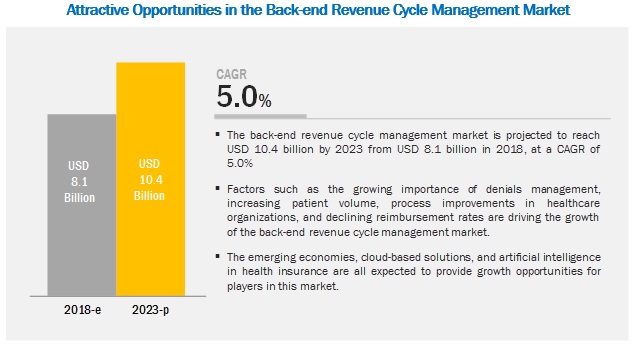
The Factors such as the growing importance of denials management, increasing patient volume, process improvements in healthcare organizations, and declining reimbursement rates are driving the growth of the market.
However, the high cost of deployment, integration of back-end revenue cycle management solutions, data breaches and loss of confidentiality, and lack of skilled IT professionals in healthcare are expected to limit market growth to a certain extent in the coming years.According MarketsandMarkets Research – The Back-end Revenue Cycle Management Market is projected to reach USD 10.4 billion, at a CAGR of 5.0%.Market Dynamics:Growing importance of denials management;To reduce costs and maximize profits, insurance companies are increasingly denying claims as well as coverage to patients being treated for chronic or persistent illnesses.
This is putting an extra burden on healthcare providers to manage operating costs, and in turn is supporting the adoption of back-end revenue cycle management solutions (with a growing number of healthcare providers focusing on properly analyzing denied claims and appealing them).Many healthcare providers across the globe still use manual and paper-oriented approaches to manage denials.
This results in errors, delayed follow-ups, and miscommunication between healthcare providers and insurance companies.
The use of back-end revenue cycle management solutions over manual and paper-oriented approaches can not only help healthcare providers overcome these issues but also help them save significant costs.Browse 79 market data Tables and 31 Figures spread through 136 Pages and in-depth TOC | Request Research Sample Pages: https://www.marketsandmarkets.com/requestsampleNew.asp?id=204439794Services segment to dominate the back-end revenue cycle management marketBy product & service, segmented into software and services.
However, due to the need for periodic software upgrades, the software segment is expected to witness the highest growth during the forecast period.cloud-based systems to register the highest CAGR during the forecast periodOn the basis of delivery mode, segmented into on-premise and cloud-based systems.

Arrowcore Group Is One Of The Fastest Growing Global Professional Services Company Providing Highly Scalable And Flexible Delivery Models Including Managed Services, Outsourced Consulting And Traditional Staffing.
With Decades Of Consulting Experience And A Wide Range Of Expertise Across Almost Every Industry Imaginable, We Navigate Even The Most Complex Business Situations.
Headquartered In The U.S., With Global Delivery Center In India, Arrowcore Has Made It Twice In Inc. 5000 List Among The Fastest Growing Privately Held Companies In North America.