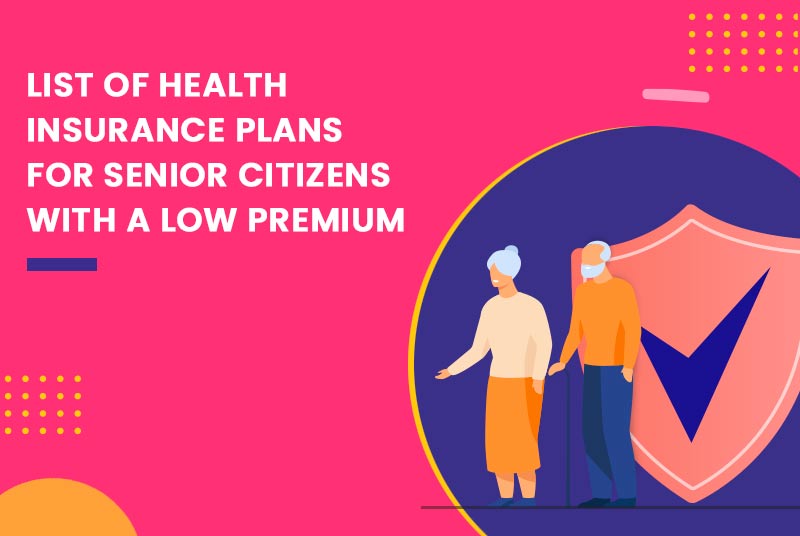
When you were having dinner with your father and he had hardly eaten anything; you know this because he just said, “I’m tired,” and your mother just talked about how she has developed arthritis, that’s how gradually you’ll see the evidence of their aging when you realize they aren’t going to get any more years ahead of you.
Finding the best health insurance policy in India for them feels like a confusing thing. There are so many options. So much fine print. So many agents trying to sell you things you don't need.
I have spent over a decade helping families make this decision. Let me walk you through what actually matters. Stop. Do Not Add Them to Your Policy Yet.
Most people's first instinct is simple: call their insurance company and add parents to the existing family plan. Quick. Easy. Done.
This is usually a mistake.
Here is what happens. Your family floater premium is calculated based on the oldest person covered. The moment you add a 65-year-old parent, your premium triples or quadruples. You end up paying insane amounts to cover yourself and your children just because mom joined the plan.
Even worse? The sum insured gets shared. If your mother needs a knee replacement and claims ₹3 lakh, your spouse and kids are left with whatever remains. One surgery could leave your entire family underinsured for the rest of the year.
The smarter path? Separate policies. Get a dedicated parents health insurance plan for them. Keep your own family floater separate. When claims happen, they don't eat into each other's coverage.
What Makes a Senior Citizen Health Plan Actually Good?
Insurance companies love selling senior plans with fancy brochures. Here is what you should ignore the glossy pages and look for instead.
Pre-existing disease coverage is everything. Most parents in their 60s have something, diabetes, blood pressure, arthritis. Standard policies make you wait two to four years before covering these. Some specialized Senior Citizen Health Plan options offer shorter waiting periods or even day-one coverage for common conditions.
Check claim settlement ratios before checking premiums. A cheap policy that rejects your father's heart surgery claim is not a bargain. It is theft. Look up how many claims each insurer actually pays for senior citizens. The data is publicly available. Use it.
Watch for co-payment traps. Many senior plans require you to pay 10% to 20% of every bill yourself. When your mother is in the ICU and the bill hits ₹4 lakh, an unexpected 40,000 rupees co-pay can destroy your savings. Avoid high co-payment clauses if you can.
Restoration benefit saves lives. This feature automatically refills your sum insured if it gets exhausted during the year. Seniors often need multiple hospital visits. Without restoration, one hospitalization could leave you with zero coverage for the rest of the year.
Home treatment coverage matters. Many age-related issues don't need overnight hospital stays but still require significant medical care at home. The best policies cover these expenses. Read the fine print carefully.
The Government Scheme Nobody Tells You About
Here is something most agents won't mention. The government recently expanded Ayushman Bharat PM-JAY to cover all senior citizens aged 70 and above. No premiums. No paperwork hassles.
If your parents are over 70 and not already covered by another government scheme, they qualify automatically. This is not a replacement for private insurance, ₹5 lakh may not be enough for major treatments in big cities. But it is excellent backup coverage that can handle smaller hospitalizations and preserve your private policy's sum insured for bigger emergencies.
What Your Employer Can Do
If you work for a decent-sized company, check your group health insurance. Many employers now allow employees to cover parents under the corporate plan. Premiums are often 30% to 40% lower than individual policies.
But here is the catch. This coverage ends the day you leave your job. Resign, get laid off, switch companies, your parents lose coverage immediately. Use employer insurance as a supplement, never as primary coverage. Maintain an individual policy alongside it.
The Final Decision
Finding the Best Health Insurance Policy In India for your parents comes down to a few things. Buy separate policies. Prioritize pre-existing disease coverage. Check claim settlement records.
This is not just another financial product. This is the difference between telling a doctor "save my father, I don't care about the cost" versus "how much will this cost?" when every minute counts.