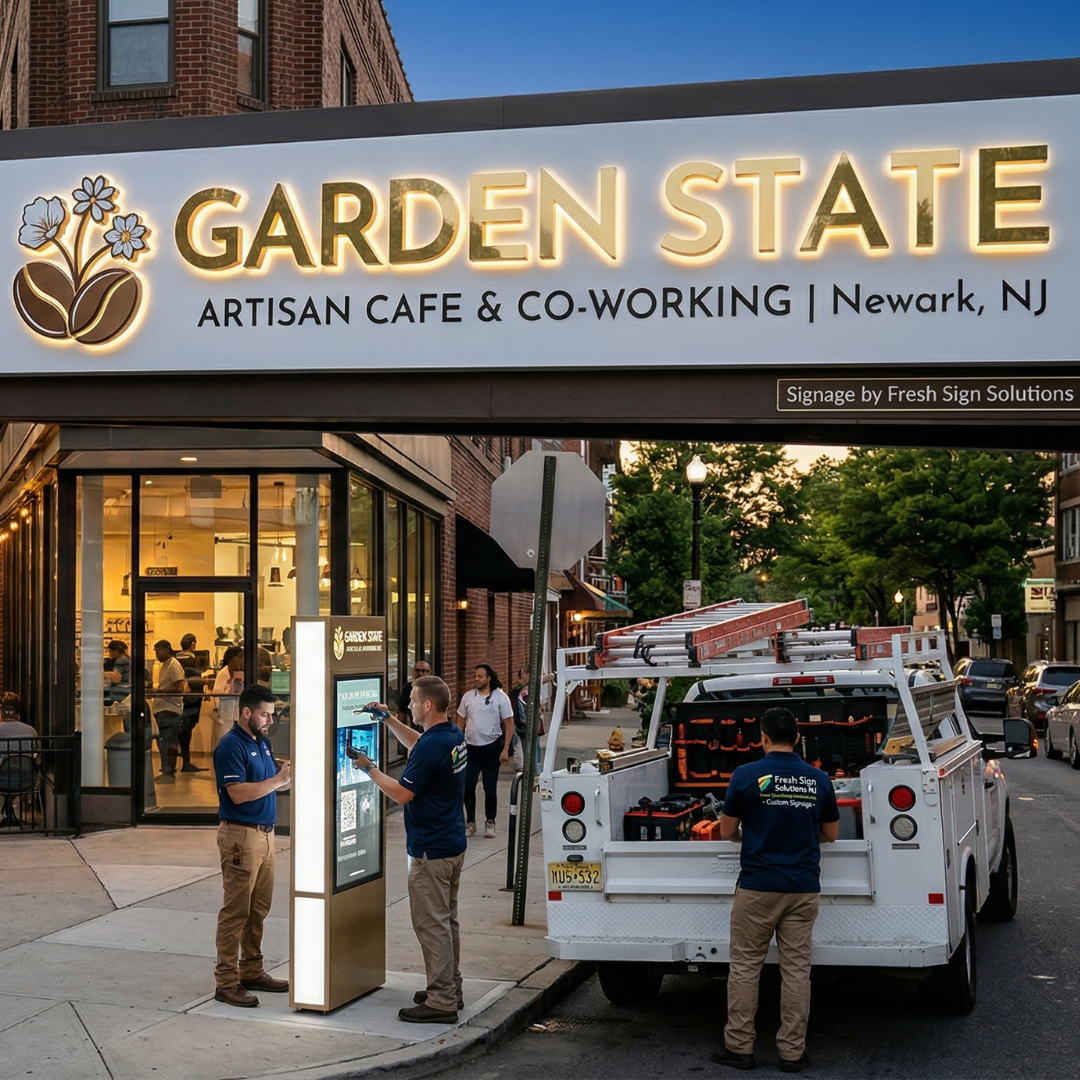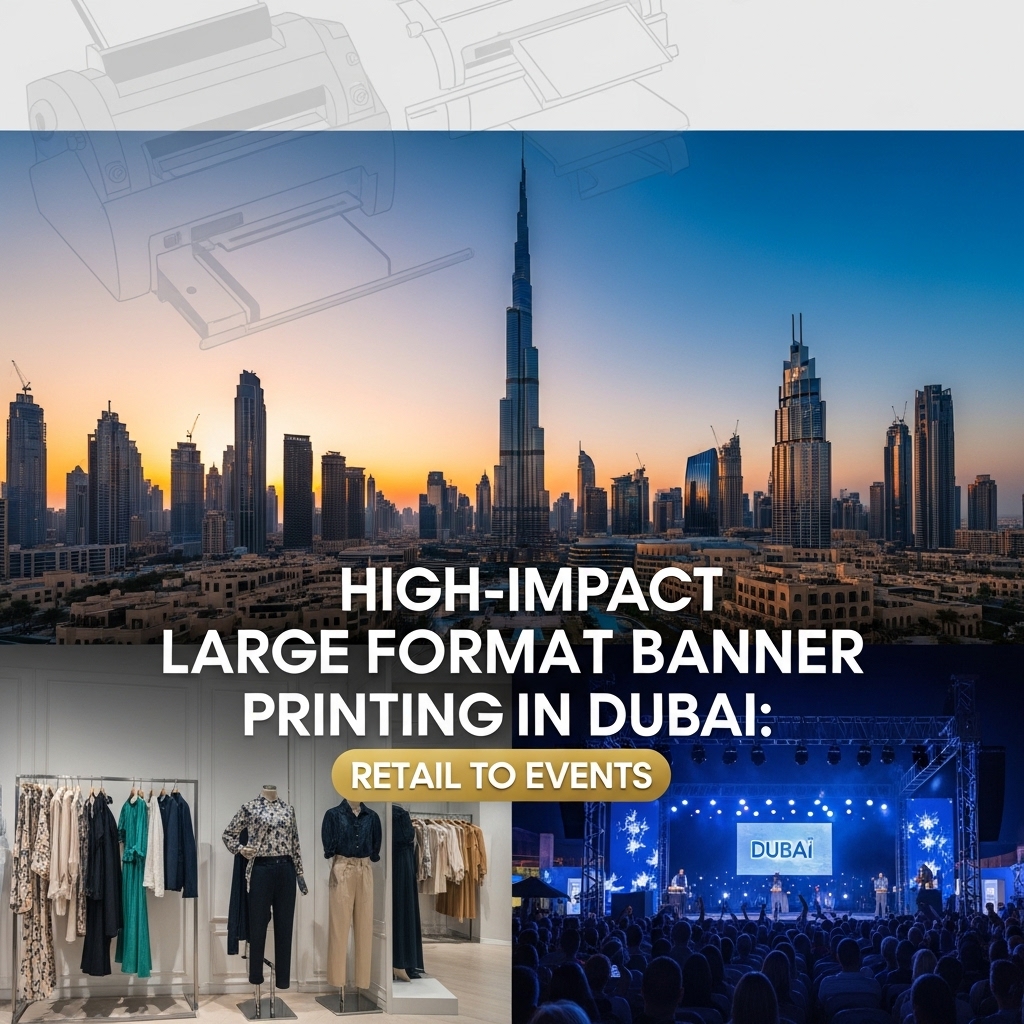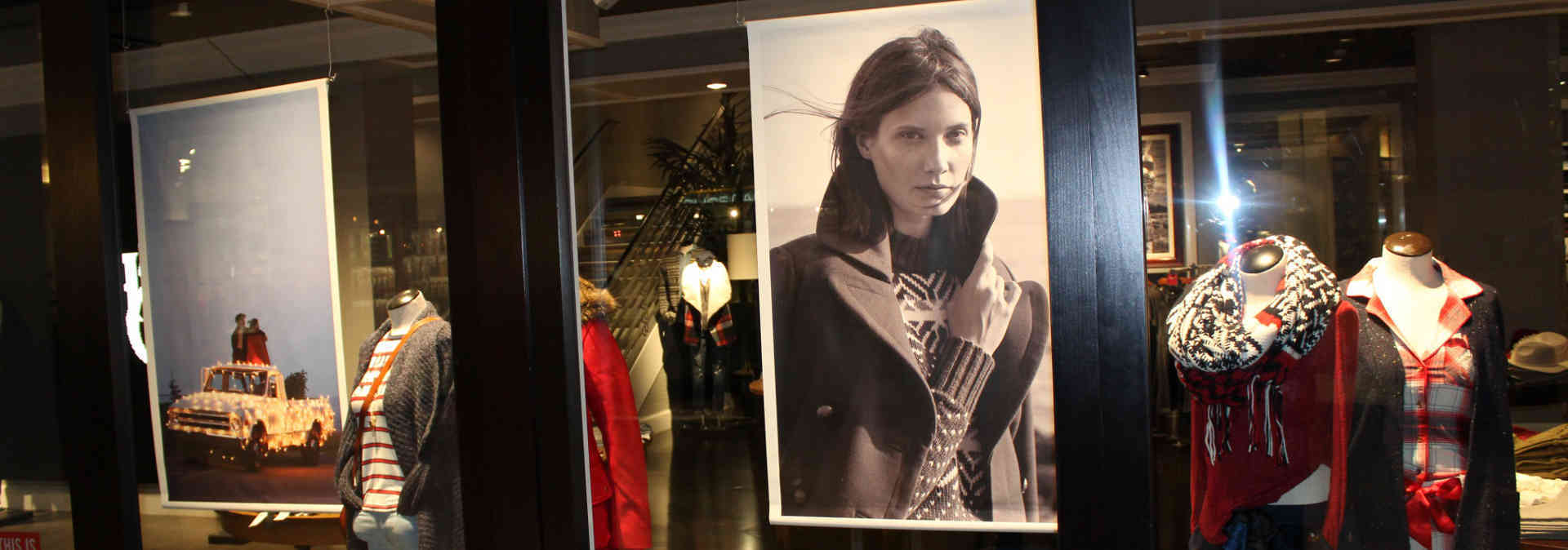


Whether for a grand opening, a trade show exhibit, an outdoor event, or a permanent storefront display, large format printing in NJ serves a wide range of industries and use cases. The ability to produce oversized graphics with sharp detail and durable materials has made wide-format printing an accessible option for businesses of all sizes across the state. Understanding the different formats, materials, and applications available helps buyers make more informed decisions and avoid common pitfalls in the ordering process.
What Large Format Printing Covers
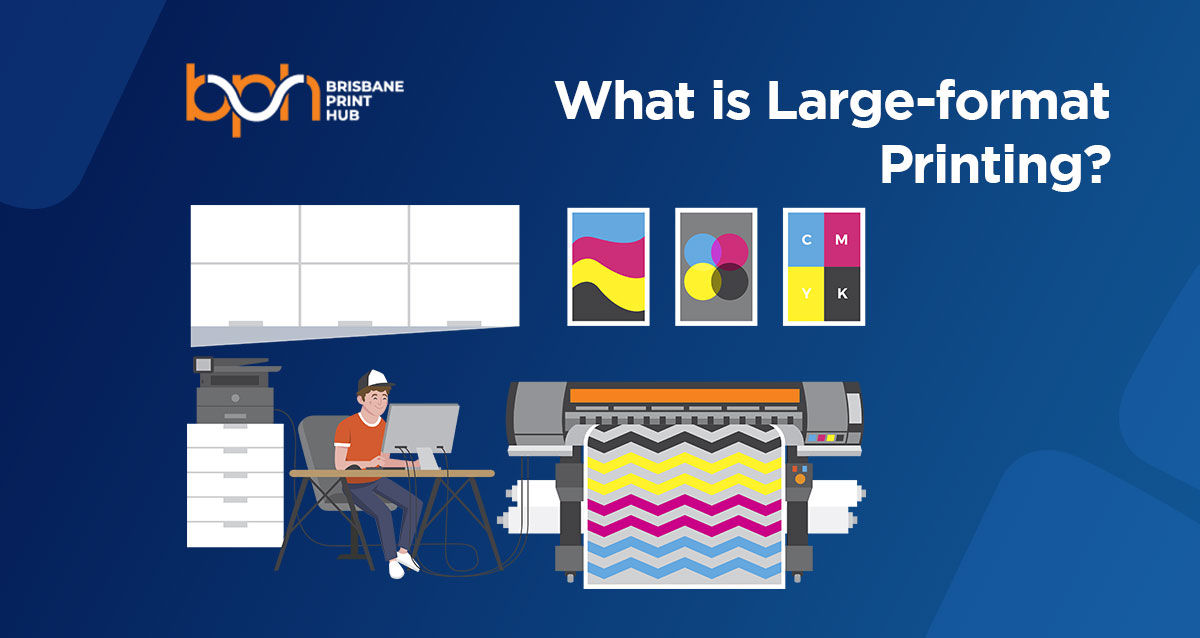
Large format printing refers broadly to any printed output that exceeds the dimensions of a standard desktop or commercial offset press, typically anything wider than 24 inches. In practice, this category includes a wide variety of products used across both indoor and outdoor settings.
Common large format products include:
• Vinyl banners for outdoor events, storefronts, construction sites, and promotional displays
• Mesh banners designed for windy or open-air environments where solid vinyl would catch too much air resistance
• Fabric prints for trade show backdrops, event draping, and step and repeat displays
• Foam board and coroplast signs for retail, real estate, and temporary signage applications
• Window perforated vinyl, which allows graphics on glass while maintaining outward visibility from inside
• Vehicle wraps and fleet graphics, printed on cast vinyl and applied directly to vehicle surfaces
Each product type involves different substrate materials, ink systems, and finishing options. A buyer ordering a banner for a one-day indoor event has different needs than one ordering signage for a building facade that will remain in place through multiple seasons. Communicating the intended use and environment to the print provider upfront helps ensure the right material is selected.
Banner Printing in NJ: Materials and Durability
Banner printing in NJ covers a range of material weights and finishes suited to different environments. Standard vinyl banners are typically produced on 13-ounce scrim vinyl, which is appropriate for most short-term indoor and outdoor applications. Heavier 18-ounce vinyl is available for installations that require greater tear resistance or will be subjected to prolonged outdoor exposure.
Finishing details matter as much as the material itself. Hemmed edges reinforce the perimeter of the banner and reduce the risk of tearing at stress points. Grommets, typically spaced every two feet along the edges, provide attachment points for hanging or tying the banner to a frame or fence. For pole pocket installations, a sewn sleeve along the top or sides allows the banner to slide onto a rod without additional hardware.
Fabric banners, often used in professional event settings, are printed on polyester and offer a softer, less reflective surface than vinyl. They are better suited to photography-heavy environments where glare from glossy vinyl can affect image quality. Fabric is also lighter and easier to transport, which makes it a practical choice for organizations that reuse their displays across multiple events.
File Preparation and Order Specifications
One of the more common sources of delay or disappointment in large format printing is artwork that does not meet production specifications. Because large format output is viewed at close range in many cases, resolution requirements differ from those of smaller print formats. Files intended for banners and large-format signs should generally be supplied at 100 to 150 dpi at full print size, or at a reduced scale with proportionally higher resolution.
Vector artwork, produced in programs such as Adobe Illustrator, is preferable for logos and text elements because it scales without quality loss. Raster images used for background photographs should be evaluated at actual print dimensions before submission. Sending a small JPEG and expecting it to print crisply at 8 feet wide is a frequent issue that results in blurry or pixelated output.
Color mode is another specification to confirm. Most print providers work in CMYK color space rather than RGB, which is the default for screen-based design. Colors that appear vibrant on a monitor may shift slightly when converted to CMYK for print, so reviewing a proof before approving final production is advisable for any job where color accuracy is important.
For businesses and organizations across New Jersey looking for a local provider that handles both banner printing and large format output, Clifton Signs and Awnings offers production services for a range of print formats with options for local pickup and delivery throughout the region.
Conclusion
Large format printing in NJ serves a broad and varied market, from small retail operators ordering a single storefront banner to event companies producing multiple display systems for a regional conference. Selecting the right material for the environment, preparing artwork to proper specifications, and working with a provider who communicates clearly about timelines and finishing options are the factors that most consistently lead to a satisfactory result. Taking time to clarify these details before an order is placed reduces the likelihood of reprints, delays, or installations that fall short of expectations.