


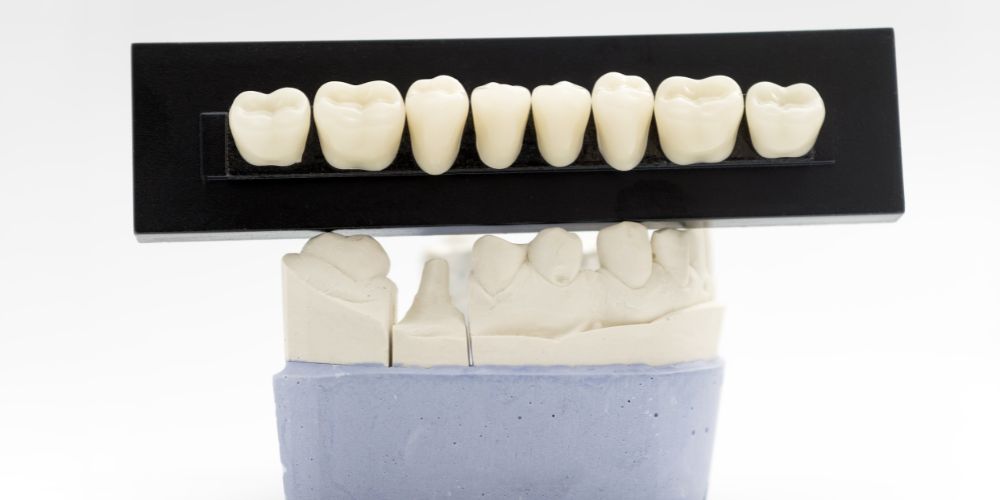
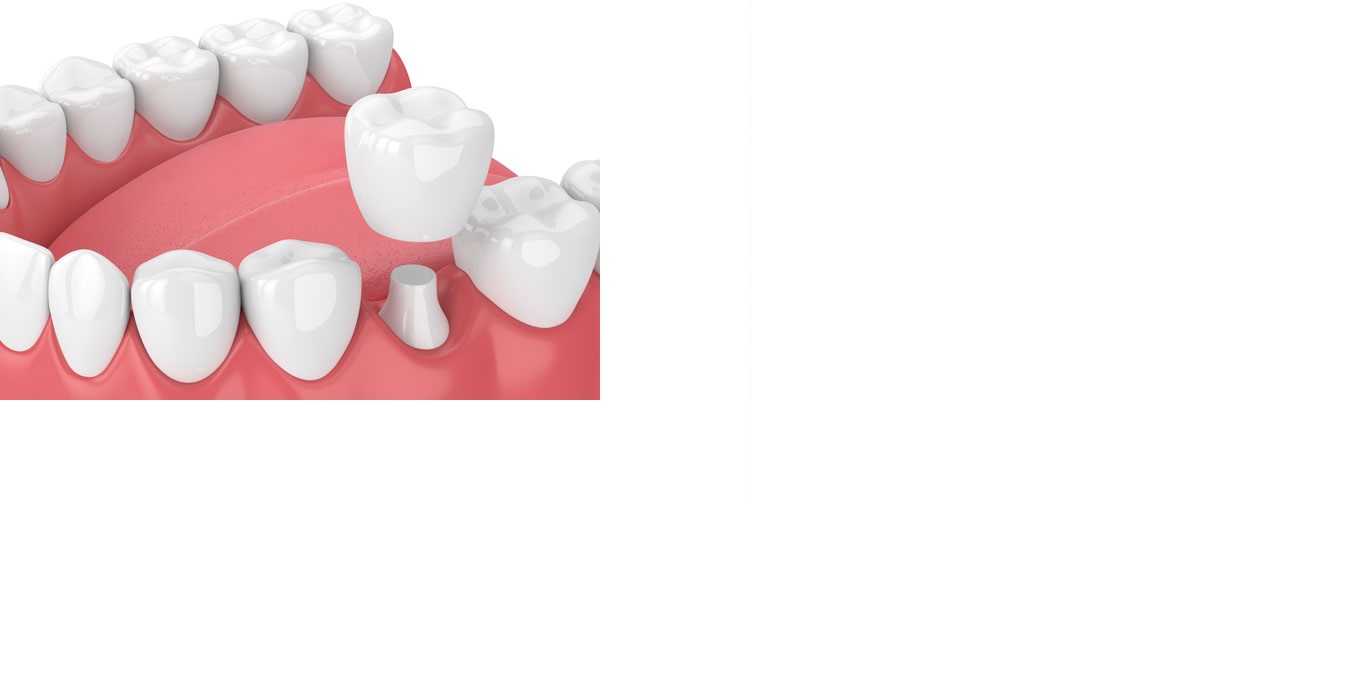
Dental crowns are a common solution for restoring damaged or weakened teeth. Choosing the right type of crown involves understanding not only the material options but also how each affects durability, appearance, and overall cost. While seeking dental care, patients often research the types of dental crowns and cost, and understanding these differences can significantly impact both oral health outcomes and budget planning.
Porcelain Crowns Overview
Porcelain crowns are widely recognised for their natural appearance. They closely mimic the colour and translucency of natural teeth, making them ideal for front teeth restorations. One of the major benefits of porcelain is its aesthetic appeal, as it blends seamlessly with existing teeth. However, porcelain crowns can be less durable compared to other materials, especially for patients who frequently grind their teeth. They may also require a larger portion of the natural tooth to be removed during preparation, which is an important consideration for long-term dental health.
Ceramic Crowns Insights
Ceramic crowns are similar to porcelain but offer enhanced strength and slightly better durability. They are also highly aesthetic, with options to match a wide range of tooth shades. Ceramic crowns are often preferred for both front and back teeth because they provide a balance between appearance and functional resilience. While more resistant to chipping than porcelain, ceramic crowns can still fracture under significant pressure, so patients with heavy biting forces may need to take precautions.
Metal Crowns Benefits
Metal crowns, typically made from gold or other alloys, prioritise durability and longevity over appearance. They can withstand significant biting and chewing forces without fracturing, making them ideal for molars and teeth subjected to heavy wear. Metal crowns require minimal removal of the natural tooth, preserving more of the original structure. However, the metallic colour makes them less suitable for front teeth unless aesthetics are not a primary concern. Their resistance to wear also reduces the risk of the crown needing replacement over time, often resulting in fewer long-term dental visits.
Comparing Crown Features
To help clarify the distinctions, here are the key features of each type of crown:
- Porcelain Crowns: Excellent aesthetics, ideal for visible teeth, moderately durable, more tooth reduction needed.
- Ceramic Crowns: Stronger than porcelain, versatile placement, natural appearance, resistant to moderate wear.
- Metal Crowns: Exceptional durability, minimal tooth reduction, long-lasting, and less aesthetic appeal.
Understanding these features assists patients in making informed decisions based on priorities such as appearance, strength, and longevity.
Cost Factors Consideration
Several factors influence the overall cost of dental crowns. Material choice is a primary determinant, with porcelain typically being more expensive due to its cosmetic advantages, ceramic providing a mid-range option, and metal crowns varying depending on the type of alloy used. Additional costs may arise from preparation procedures, such as tooth shaping, temporary crowns, and multiple dental visits. Complexity of the case, the tooth’s location, and the expertise of the dental professional can also affect the final price. These factors collectively contribute to what patients may expect regarding tooth crown cost australia.
Maintenance and Lifespan
The longevity of a dental crown largely depends on the material and patient care. Metal crowns generally last the longest, often exceeding 20 years with proper oral hygiene. Ceramic crowns can last between 10 to 15 years, while porcelain crowns may have a slightly shorter lifespan, typically around 10 years, particularly if exposed to high stress. Regular brushing, flossing, and dental check-ups are essential to prevent decay around the crown and to ensure long-term success. Avoiding habits such as nail-biting or chewing hard objects also extends the lifespan of all crown types.
Final Summary
Choosing the right crown requires balancing aesthetics, durability, and budget. Porcelain crowns excel in appearance but may require extra care, ceramic crowns offer a strong, visually appealing option, and metal crowns prioritise longevity and resilience. Being informed about the types of dental crowns and cost can help make an educated decision that aligns with both oral health goals and financial considerations. Consulting with a dental professional ensures that the chosen crown type meets individual needs and expectations.
FAQs
What are the main differences between porcelain, ceramic, and metal crowns?
Porcelain crowns focus on aesthetics and are ideal for visible teeth, ceramic crowns provide a balance of strength and appearance, and metal crowns are durable and long-lasting, suitable for molars.
How long does a dental crown typically last?
Metal crowns can last over 20 years, ceramic crowns usually last 10–15 years, and porcelain crowns may last around 10 years with proper care and maintenance.
What factors affect tooth crown cost australia?
Cost can vary depending on the crown material, complexity of the procedure, tooth location, and additional treatments such as tooth preparation or temporary crowns.

We have a team of excellent, well experienced and good practitioner doctors to deal with dental crown procedures.
Please visit our clinic at Kharghar and experience our many other dental services.For Dental Crown and Tooth Crown Please Visit: https://zellenedentalcare.com/dental-crown-and-tooth-crown/