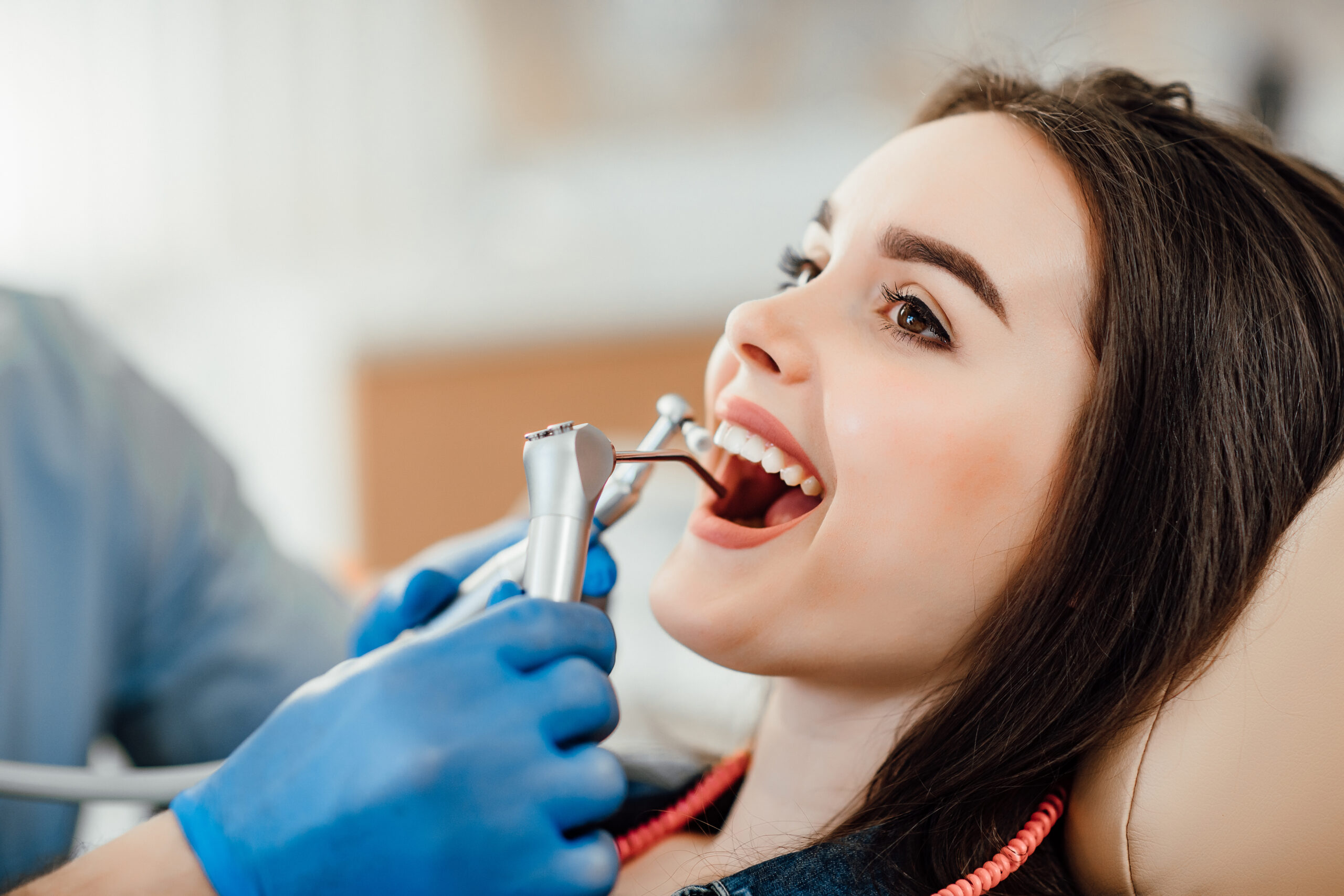
Full mouth rehabilitation is a comprehensive dental treatment that restores both function and aesthetics to the entire mouth. Patients in Dubai seeking Full Mouth Rehabilitation in Dubai often have complex dental issues, such as worn teeth, misaligned bites, missing teeth, or chronic oral conditions. While the expertise of dental professionals is critical, one often overlooked factor is the choice of dental materials used during the rehabilitation process. The materials selected can significantly affect durability, aesthetics, comfort, and overall treatment success.
Understanding Full Mouth Rehabilitation
Full mouth rehabilitation involves the reconstruction of all teeth in both the upper and lower jaws. The process may include a combination of:
Dental crowns and bridges
Dental implants
Veneers
Dentures
Gum treatments and bone grafts
The goal is not just to restore oral function but also to enhance the patient’s smile and facial structure. Given its complexity, the choice of materials plays a crucial role in achieving optimal outcomes.
Types of Dental Materials Used in Full Mouth Rehabilitation
Dental materials vary based on their properties, aesthetics, and durability. Some of the most commonly used materials in Full Mouth Rehabilitation in Dubai include:
1. Porcelain
Porcelain is a popular choice for crowns and veneers due to its natural appearance. Its advantages include:
Excellent aesthetic appeal, closely mimicking natural teeth
Resistant to staining
Biocompatible, minimizing gum irritation
However, porcelain can be brittle if used in areas with high bite pressure, so it is often reinforced or combined with other materials for durability.
2. Zirconia
Zirconia is a type of ceramic known for its strength and durability. It has become a preferred material in full mouth rehabilitation due to:
Exceptional strength and fracture resistance
Natural-looking translucency for an aesthetic finish
Long-lasting performance suitable for both anterior and posterior teeth
3. Composite Resins
Composite resins are versatile materials often used for fillings, bonding, and minor tooth restorations. They are favored for:
Ease of shaping and contouring
Ability to match the natural tooth color
Less invasive application compared to crowns or veneers
However, composites may not be as durable as porcelain or zirconia for extensive restorations, making material selection crucial for long-term success.
4. Metal Alloys
Metal alloys, such as gold or nickel-chromium, are traditionally used for crowns and bridges. They are highly durable, resistant to wear, and suitable for high-stress areas. While aesthetics may be less of a concern in visible areas, their longevity makes them a valuable option for posterior teeth.
How Dental Materials Affect Treatment Outcomes
Choosing the right dental material is essential because it influences multiple aspects of full mouth rehabilitation:
1. Aesthetics and Confidence
The visual appeal of dental restorations can greatly impact a patient’s confidence. Materials like porcelain and zirconia are designed to mimic the translucency, texture, and color of natural teeth, providing a seamless, attractive smile.
2. Functionality and Comfort
Materials must withstand biting and chewing forces while maintaining proper alignment. Strong materials like zirconia or metal alloys provide stability, while softer materials like composites offer flexibility in minor restorations. Proper material selection ensures comfort during daily functions.
3. Longevity and Durability
Durable materials reduce the risk of frequent repairs or replacements. Zirconia, porcelain-fused-to-metal (PFM), and metal alloys are known for their long lifespan, making them ideal choices for patients seeking lasting results in Full Mouth Rehabilitation in Dubai.
4. Biocompatibility and Oral Health
Some materials are more compatible with gum tissue, reducing the risk of irritation, inflammation, or allergic reactions. Biocompatible materials like zirconia and porcelain are often preferred for patients with sensitive gums.
Factors Dentists Consider When Selecting Materials
When planning full mouth rehabilitation, dental professionals consider:
Location of the teeth: Anterior vs. posterior teeth require different materials based on aesthetics and function.
Bite force: Patients with strong bites may need more durable materials like zirconia or metal alloys.
Existing oral health conditions: Decay, gum disease, or bone density may affect material suitability.
Patient preferences: Aesthetic desires, comfort, and lifestyle are factored into material selection.
Final Thoughts
Dental materials are more than just functional components—they play a critical role in the success of Full Mouth Rehabilitation in Dubai. Selecting the right combination of porcelain, zirconia, composites, or metal alloys ensures that patients achieve not only a beautiful smile but also long-lasting oral health and comfort.
For anyone considering full mouth rehabilitation, understanding the impact of dental materials can help make informed decisions and set realistic expectations for treatment outcomes. With careful planning and high-quality materials, full mouth rehabilitation can transform both your smile and overall oral function, providing confidence and comfort for years to come.