




Alamo Auto Insurance helps drivers understand auto insurance in a clear and simple way. The team focuses on guiding drivers toward coverage that supports safety and financial protection on the road. Alamo Auto Insurance shares 6 important auto insurance basics that help drivers stay secure while driving. It explains key parts of an insurance policy, including liability coverage, collision protection, comprehensive coverage, deductibles, premiums, and coverage limits. Learning these basics helps drivers understand how insurance works and why each part of a policy matters.
1. Liability Coverage and Its Importance
Liability coverage forms the foundation of most auto insurance policies. This coverage helps pay for injuries or property damage caused to other people in an accident. It usually includes protection for both bodily injury and property damage. Bodily injury liability supports medical costs for people who are hurt during an accident. Property damage liability helps cover repair costs for damaged vehicles or other property. Many regions require drivers to maintain this coverage in order to drive legally on public roads.
2. Protection for Vehicle Damage Through Collision Coverage
Collision coverage focuses on damage to the insured vehicle when an accident occurs. This coverage helps pay for repair costs when a car hits another vehicle or a stationary object such as a barrier or pole. This type of protection is useful for drivers who want financial help with vehicle repairs after an accident. By including collision coverage in a policy, drivers can reduce the burden of paying full repair costs on their own.
3. Coverage for Non-Collision Risks
Vehicles can face damage from situations that do not involve a collision. Comprehensive coverage helps protect against these types of risks. Events such as theft, fire, vandalism, or severe weather can cause unexpected damage to a vehicle. This coverage helps pay for repairs when such incidents occur. Protection against non-collision risks helps drivers manage financial losses that may arise from unpredictable situations.
4. Support When Other Drivers Lack Insurance
Some accidents involve drivers who do not carry enough insurance to cover the full cost of damage or injuries. Uninsured and underinsured motorist coverage provides financial support in these situations. This coverage helps pay for medical expenses or repair costs when the responsible driver cannot fully cover the damages. Adding this protection strengthens a policy and helps prevent large financial losses after an accident.
5. Understanding Policy Costs and Deductibles
Every auto insurance policy includes regular payments known as premiums. These payments keep the insurance coverage active and allow drivers to maintain protection throughout the policy period. A deductible is the amount a driver must pay before the insurance company contributes toward a claim. Choosing a higher deductible may reduce the premium cost, while a lower deductible may increase it. Understanding these costs helps drivers choose policies that suit their financial plans.
6. Checking Coverage Limits for Better Protection
Coverage limits determine the maximum amount an insurance policy will pay when a claim occurs. Different sections of a policy have different limits, including liability coverage and vehicle damage protection. Drivers who review these limits carefully can ensure their policy provides enough financial support during serious accidents. Higher limits can offer stronger protection for medical costs, property damage, and other expenses related to road incidents.
Conclusion
Auto insurance becomes easier to understand when drivers learn the basic elements of a policy. Knowledge about liability protection, vehicle damage coverage, financial costs, and policy limits helps drivers choose coverage that matches their needs. When these insurance fundamentals are clear, drivers can feel more prepared to handle unexpected events and maintain greater confidence every time they travel on the road.
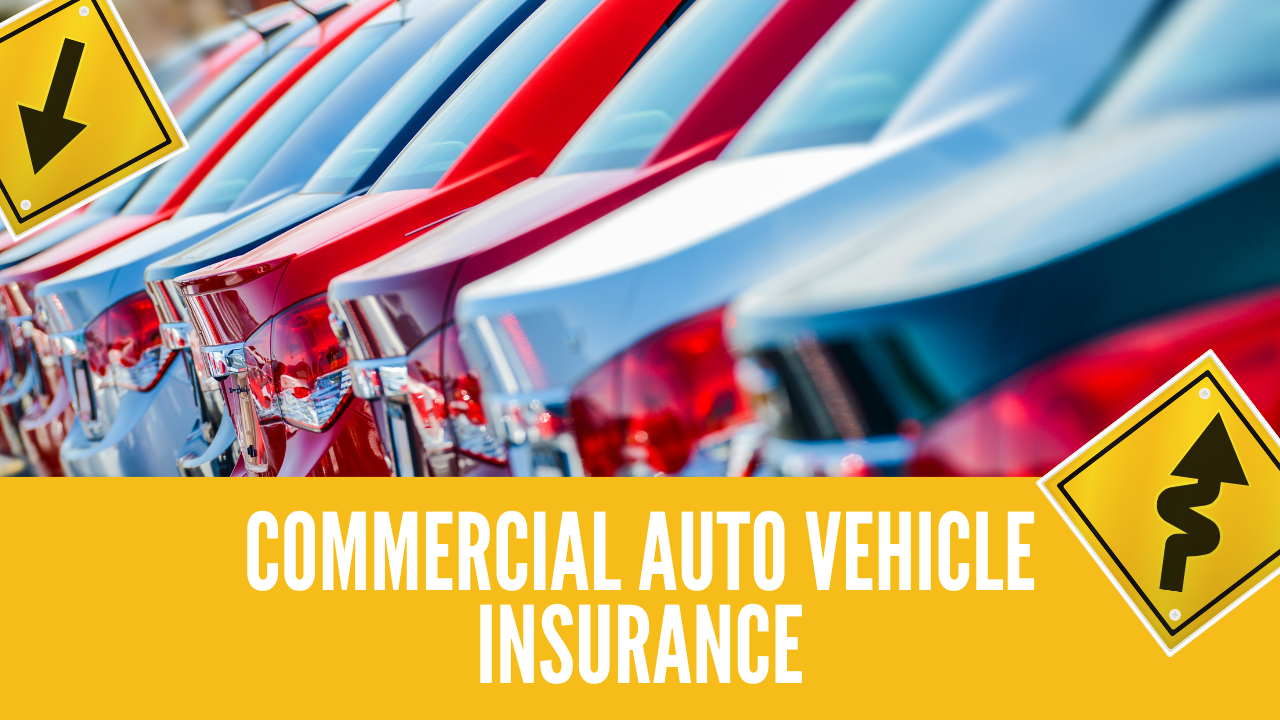
Velox Insurance offers coverage for collisions, combined maximum limits, and liability risks for commercial vehicles in Marietta, GA. You don't have to worry about finding commercial auto insurance brokers, as we are here to help.
Explore more about our services by visiting the website or calling 770-293-0623!
We are available throughout Texas, Florida, Alabama, Arizona, and more!

If you desire the real details as well as intend to be your own specialist on the topic, this write-up is for you.When considering insurance coverage for a young motorist, it is important to not acquire a costly vehicle.
In many cases, it would certainly be less expensive for you to get a separate plan for your youngster, than it would be to add him or her to your current one.
The insurance company costs policies based upon what they anticipate to pay out if you make a claim and also minimizing that amount converts to lower premiums for you.To decrease the expense of your insurance, you must focus on the type of auto that you desire to get.
Insurance prices are a lot greater on them.Find out all of the readily available price cuts that your insurance policy service provider deals.
You may need to take a chauffeur's course of some kind however it will boost your driving abilities and also minimize your premiums.Look for insurance that uses a crash forgiveness option.
This will only cause your prices to be higher and cost you even more money in the future.