In 2026, the PMP (Project Management Professional) certification remains the most prestigious credential for project leaders. However, the path to success has shifted: the exam now prioritizes business strategy, AI integration, and sustainability alongside traditional execution.
Here is your comprehensive guide to navigating PMP training and achieving certification in the current landscape.
1. Verify Your Eligibility
Before investing in training, ensure you meet the PMI (Project Management Institute) requirements. Your path depends on your educational background:
Education Level
PM Experience Required
Mandatory Training
4-Year Degree
36 months (3 years)
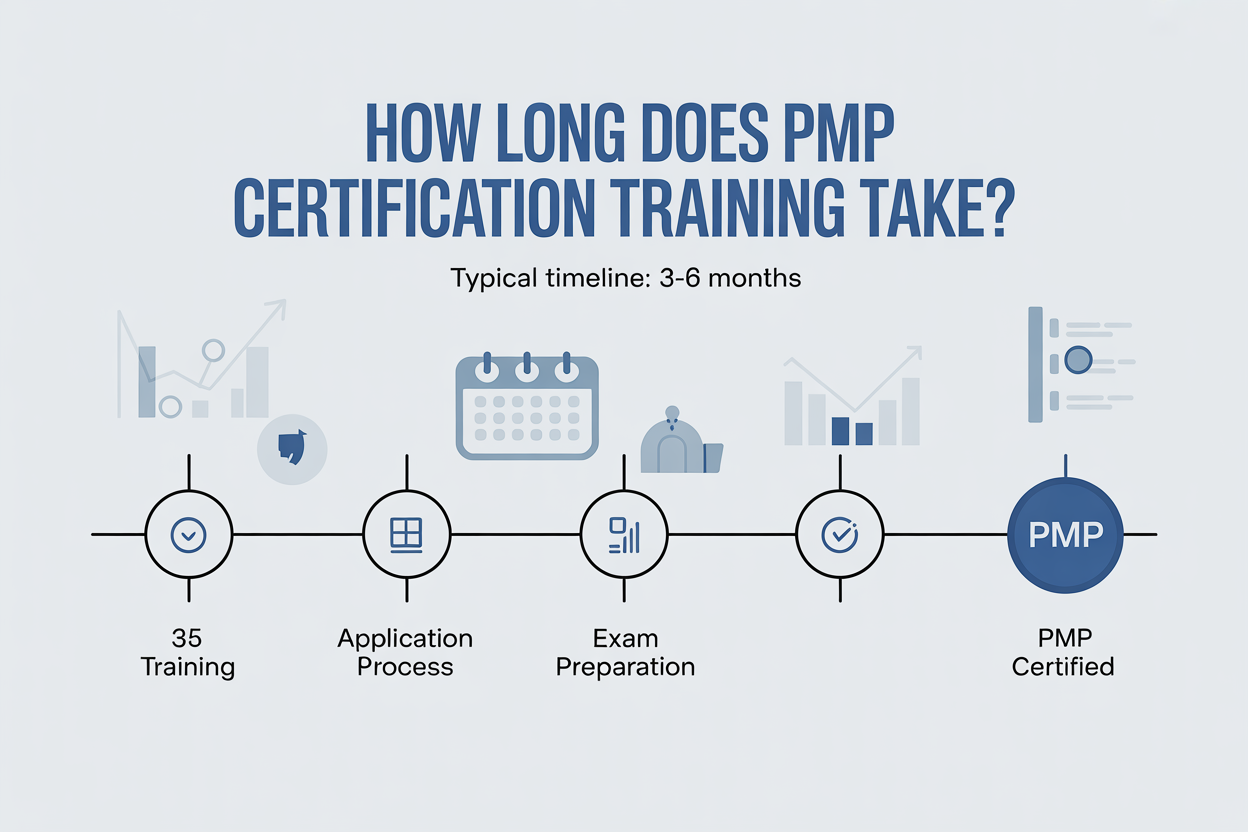
35 Contact Hours
Secondary Degree
60 months (5 years)
35 Contact Hours
GAC-Accredited Degree
24 months (2 years)
35 Contact Hours
Note: The 35 Contact Hours must be formal project management education. If you already hold the CAPM® certification, this training requirement is waived.
2. Understand the 2026 Exam Blueprint
The exam is no longer just about the "Process Groups." Starting in 2026, the Business Environment domain has seen a massive increase in importance, reflecting the PM's role as a strategic business partner.
The Three Domains
People (33%): Focusing on soft skills, leading diverse teams, and emotional intelligence.
Process (41%): The technical "how-to" of managing scope, schedule, budget, and risk.
Business Environment (26%): Strategic alignment, organizational change, and compliance.
The "Hybrid" Reality
Expect about 60% of your exam to cover Agile or Hybrid methodologies. You are expected to know how to tailor your approach based on the specific needs of the project and industry.
3. Choose the Right Training Program
With the 2026 updates, you need a course that covers the latest Examination Content Outline (ECO) and the PMBOK® Guide 7th & 8th Editions.
Authorized Training Partners (ATP): Programs like Schulich ExecEd or University of Maryland use PMI-developed materials and offer the highest quality assurance.
Self-Paced eLearning: Popular and affordable options include Andrew Ramdayal or Joseph Phillips on Udemy, which provide the required 35 contact hours.
Bootcamps: Intensive 3–5 day courses (like those from Project Management Academy) are best for those who want to "cram" and test immediately.
4. Key 2026 Study Themes
To ace the exam today, you must master these "new era" topics:
AI in Project Management: How to use predictive analytics, AI-enabled scheduling, and automated risk forecasting.
Sustainability (ESG): Managing projects with an eye toward environmental impact and social responsibility.
Value Delivery: Moving away from "checking boxes" to ensuring the project actually delivers the intended business value.
5. Success Strategy (The "Target" Plan)
Daily Rhythm: Study for 1.5 to 2 hours daily rather than marathon sessions on weekends.
Simulation is King: Use the PMI Study Hall app. It features the most realistic situational questions.
The 75% Rule: Do not schedule your exam until you are consistently scoring at least 75% on full-length mock exams (180 questions).
Review Your Wrong Answers: The most growth happens when you analyze why you chose the wrong distractor.