If you're setting up a new operation theater — or upgrading an existing one — the OT table is the single most important piece of equipment you'll buy.
Get it right, and your surgical team operates with precision, speed, and confidence.
Get it wrong, and you're looking at poor patient positioning, workflow delays, and outcomes you don't want to explain.
In this guide, I'll break down everything you need to know about operation theater tables — types, features, and exactly what to look for before you invest.
Let's get into it.
What Is an OT Table?
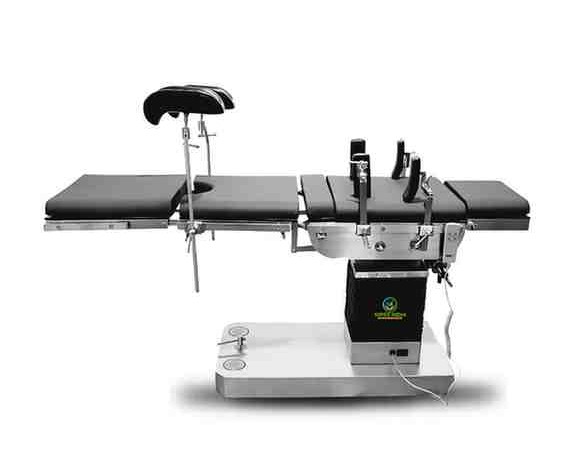
An OT table (also called an operation table, surgical table, or OT bed) is the platform on which a patient lies during surgery.
But here's the thing — a modern operating table is far more than a flat surface.
It's a precision-engineered system built for:
• Exact patient positioning
• Surgeon ergonomics
• Intraoperative imaging (C-arm, fluoroscopy)
• Multi-specialty flexibility
At Nipex India, we design OT tables that meet all of these requirements — without compromise.
4 Types of OT Tables You Should Know
1. General Surgical Tables
The workhorse of any operation theater.
A general surgical OT table is designed for versatility. Cardiovascular, gynecology, pediatric, abdominal, plastic surgery — one table, multiple specialties.
Key features to look for:
• Height-adjustable column
• Trendelenburg and reverse Trendelenburg positions
• Lateral tilt capability
• Removable head and leg sections
If your hospital handles a broad caseload, this is where you start.
2. Orthopedic OT Tables
Orthopedic surgeries demand precision that general tables simply can't deliver.
Orthopedic surgical tables are built for hip fractures, tibial procedures, anterior total hip arthroplasty, and trauma cases. They offer superior maneuverability and patient control that keeps your surgical team in command throughout the procedure.
Look for: radiolucent surfaces, traction attachments, and a high patient weight capacity.
3. Gynecology OT Tables
Gynecology operating tables come with specialized stirrups, split-leg positioners, and precise lithotomy positioning — designed specifically for OB-GYN and urological procedures.
The right table here means better surgical access and safer patient outcomes.
4. Radiolucent / Imaging OT Tables
Image-guided surgery is the future — and many hospitals need it now.
Radiolucent OT tables feature carbon fiber surfaces that allow full C-arm fluoroscopy without repositioning the patient. This cuts procedure time, reduces infection risk, and gives imaging specialists the clarity they need.
5 Features That Separate a Great OT Table from a Good One
1. Electrohydraulic Operation
Manual tables require physical effort to reposition. Electrohydraulic operation tables do it with a button press — smooth, precise, and fatigue-free for your OR team.
2. High Weight Capacity
Bariatric patients are a reality. Your surgical table must handle it. Always check the maximum weight rating before you buy.
3. Radiolucent Surface
Even if you're not buying a dedicated imaging table, a radiolucent OT table top gives you flexibility for intraoperative X-rays when you need them.
4. Easy Sterilization
In an operation theater, hygiene isn't optional. Look for seamless, antibacterial upholstery and stainless-steel components that can be cleaned and disinfected quickly between procedures.
5. Modular Accessories
The best OT tables for hospitals are systems, not just tables. Interchangeable headrests, arm boards, leg holders, shoulder supports, and anesthesia screens expand what a single table can do.
How to Choose the Right OT Table for Your Hospital
Here's a simple framework:
Step 1 — Know your surgical specialties. General surgery, orthopedics, gynecology, and imaging all have different needs.
Step 2 — Check your patient profile. Weight ranges, procedure lengths, and positioning requirements vary widely.
Step 3 — Evaluate your OR footprint. Mobile OT tables work better in smaller departments; stationary column systems offer more stability in large surgical suites.
Step 4 — Think long-term. A quality operation theater table is a 10–15 year investment. Factor in maintenance, spare parts availability, and after-sales support.
Why Nipex India for OT Tables?
At Nipex India, we've been supplying hospitals across India with high-performance OT tables built for real surgical environments.
Our surgical tables combine:
• Electrohydraulic precision controls
• High-grade radiolucent surfaces
• Durable stainless-steel construction
• Full range of OT table accessories
Whether you need a general surgical OT table, an orthopedic operating table, or a complete operation theater setup — we deliver equipment that your surgical team can rely on, procedure after procedure.
The Bottom Line
Choosing the right OT table isn't just a procurement decision. It directly impacts patient safety, surgeon efficiency, and your hospital's surgical outcomes.
Focus on the type of procedures you perform, the features that matter most for your team, and a supplier that stands behind their product.
Nipex India is here to help you get it right.
Contact us today to explore our full range of operating tables and OT equipment.