





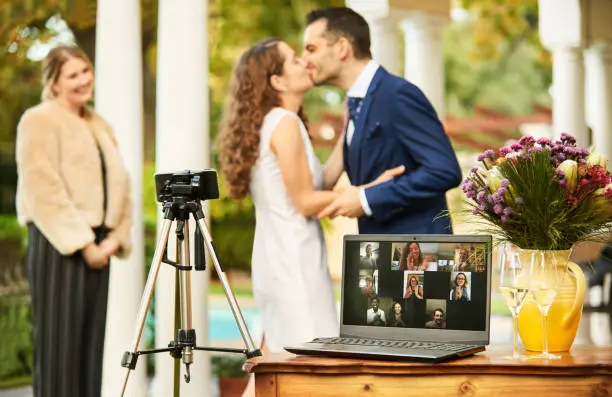
Planning a wedding once meant booking a venue, sending invitations, and spending months preparing for a single day. Today, technology has changed that tradition. Many couples are now choosing a virtual wedding ceremony as a faster, simpler, and more flexible way to get married.
But an important question often comes up: Is online marriage legal in the United States?
The answer is yes—under certain conditions. One state in particular has made online marriage possible for couples around the world: Utah. Through its digital marriage system, couples can apply, attend a ceremony, and receive a legally recognized marriage certificate without being physically present in the state.
This guide explains how the process works, why more couples are choosing online weddings, and how a virtual wedding ceremony is helping couples overcome challenges like distance, military deployment, and international immigration rules.
Everything You Need to Know About the Utah Online Marriage Trend
Utah is currently the only U.S. state that allows couples to complete the entire marriage process online, including the ceremony. This system was originally expanded during the pandemic but quickly became popular with international couples.
Here is how it usually works:
- Apply for a marriage license online through a Utah county clerk.
- Verify identities using video technology.
- Attend a virtual ceremony officiated by a legally authorized officiant.
- Receive a digital marriage certificate after the ceremony.
The key factor is that the officiant is physically located in Utah during the ceremony. Because the ceremony takes place legally within Utah’s jurisdiction, the marriage is recognized under U.S. law.
For couples living in different countries—or even on different continents—this makes marriage possible without travel, long waiting periods, or complicated paperwork.
As a result, Utah has become the center of a growing global trend: the virtual wedding ceremony.
Why Modern Couples are Trading $15k Ceremonies for Virtual Vows
Traditional weddings can be beautiful, but they are often expensive. In the United States, the average wedding can cost $15,000 to $30,000 or more.
A virtual ceremony offers a very different experience.
Instead of renting a large venue, couples can celebrate in a simple and meaningful way. Some couples still dress formally and invite friends to join the ceremony through a livestream. Others keep it private and focus only on the legal step.
There are several reasons modern couples are choosing online weddings:
Lower costs
No venue, catering, or travel expenses.
Faster process
Couples can often complete the legal ceremony within days or weeks.
Flexibility
Partners in different locations can attend the ceremony together online.
Less stress
Without complex planning, couples can focus on the commitment rather than the logistics.
Many couples still plan a traditional celebration later with family and friends. The online ceremony simply handles the legal side first.
This shift is why the virtual wedding ceremony is becoming more common among modern couples.
Using a Virtual Wedding Ceremony to Navigate International Marriage & Visas
For international couples, getting married can be complicated. Travel restrictions, visa delays, and long government processes often create obstacles.
A virtual wedding ceremony can help solve some of these challenges.
Because Utah allows the ceremony to happen online, couples do not need to be physically together in the same country. After the ceremony, the official marriage certificate can often be used for immigration or visa processes.
Many couples use online marriage to begin applications for:
- Spousal visas
- Immigration sponsorship
- Military family benefits
- International legal recognition of marriage
However, it is important to understand that marriage laws and visa rules vary by country. While the marriage itself may be valid in the U.S., couples should always verify the requirements of the country where they plan to live or apply for immigration.
Even with those differences, the online option has made legal marriage more accessible for couples separated by borders.
Why a Virtual Wedding Ceremony is a Game-Changer for Service Members
Military families face unique challenges when it comes to marriage. Deployments, relocations, and training schedules often make traditional wedding planning difficult.
A virtual wedding ceremony can be especially helpful for service members because it allows couples to get legally married even while stationed in different locations.
This can make a major difference for benefits and legal recognition.
Once legally married, spouses may become eligible for:
- Military housing benefits
- Healthcare coverage
- Family relocation support
- Immigration sponsorship for international partners
For couples separated by deployment or living overseas, the ability to complete a legal ceremony online removes many barriers.
It also allows service members to secure important family protections without waiting months for travel or leave approval.
The Future of Marriage in a Digital World
The rise of online marriage shows how technology is reshaping traditional institutions. What once required travel, paperwork, and long waiting periods can now be completed through secure digital systems.
While virtual ceremonies may not replace traditional weddings entirely, they are giving couples new options.
Some couples choose a quick online ceremony for legal reasons and host a celebration later. Others prefer the simplicity of an intimate digital ceremony.
What matters most is that the marriage is legal, recognized, and meaningful for the couple involved.
Conclusion
As marriage laws evolve, more couples are discovering the benefits of a virtual wedding ceremony. From international relationships to military families and budget-conscious couples, online marriage is opening doors that were once difficult to navigate.
Utah’s digital marriage system has become the center of this growing movement, allowing couples from around the world to marry legally without being physically present in the state.
For couples facing distance, travel restrictions, or immigration hurdles, a virtual wedding ceremony offers a practical and legally recognized solution—proving that love and commitment no longer need to be limited by geography.




Get wedding photography and wedding video digital album for any celebration - wedding, birthday, baby shower, housewarming or anniversary.
Create personalised website with wedding video & other virtual services like live stream.