


When you walk through a model home, it is designed to seduce you. You see the vaulted ceilings, the pristine quartz countertops, and the smell of fresh paint and possibility. It is easy to fall in love with the structure itself.
However, a house does not exist in a vacuum. It sits on a piece of land that is part of a larger ecosystem. You aren't just buying a kitchen and four bedrooms; you are buying a commute, a school district, a noise level, and a set of neighbors.
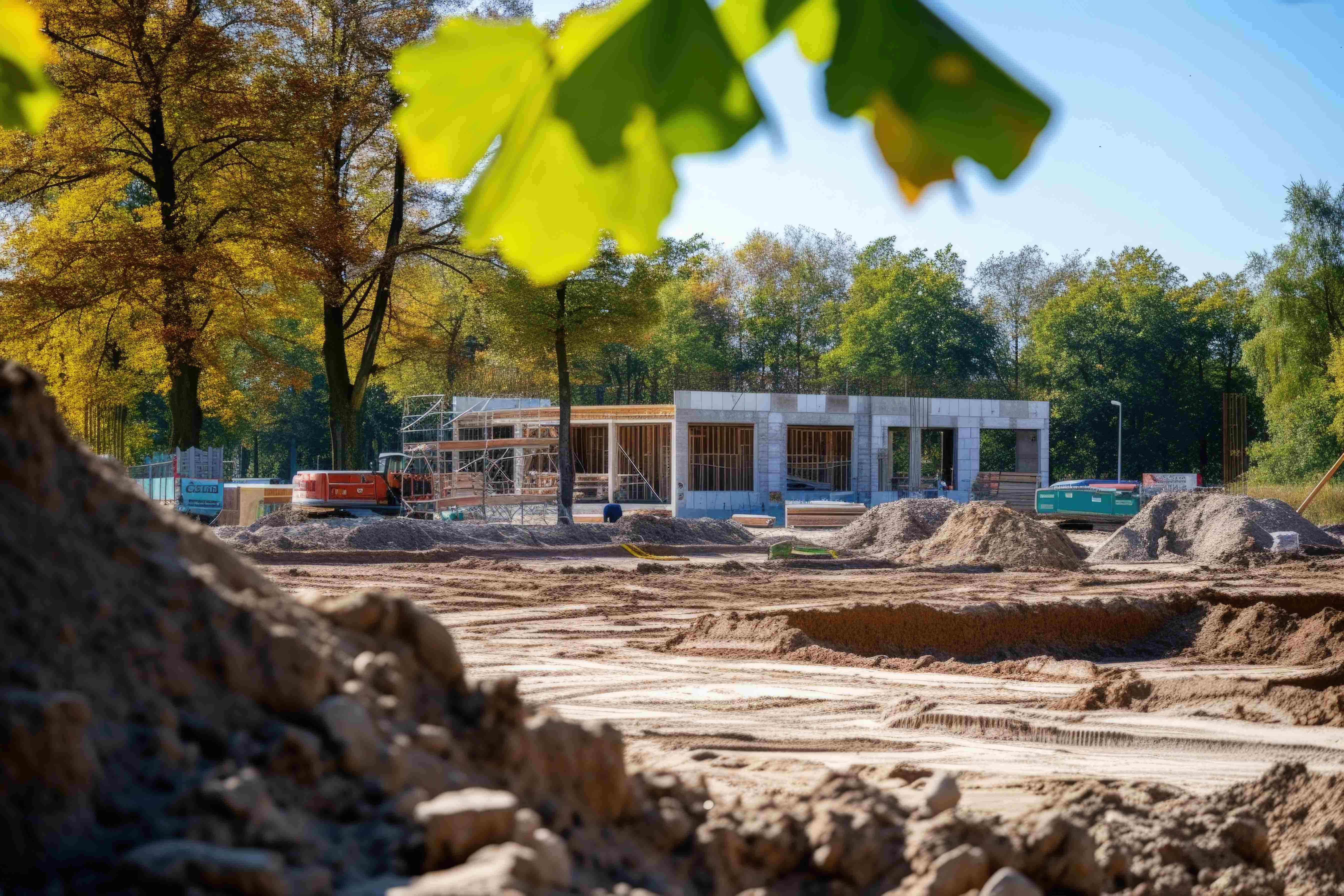
The challenge with buying a new construction house is that often, the neighborhood doesn't fully exist yet. You might be looking at a dirt lot or a street that is only half-paved. How do you evaluate a community that is still a work in progress? You can't just ask the neighbors, because there might not be any yet.
To make a smart investment, you have to look past the shiny brochures in the sales office and do some detective work. Here is how to vet the location of your future home before the first shovel hits the ground.
1. The Future Zoning Investigation
The biggest risk with new developments is the unknown land surrounding them. Sales representatives will point to the beautiful empty field behind your potential backyard and call it peaceful views.
Do not assume that the field will stay empty. You need to go to the city or county planning department (most have maps online) and check the zoning of the surrounding parcels.
- Green Space vs. Future Commercial: That quiet meadow might be zoned for a 24-hour gas station, a strip mall, or a high-density apartment complex.
- Road Expansion: Check the master transportation plan. Is the quiet two-lane road in front of the subdivision slated to become a six-lane highway in five years?
Knowing what could be built next door is just as important as knowing what is currently there. You want to ensure your property value won't be capped by an industrial warehouse going up across the street.
2. The "Sunday Drive" Deception
Most people tour homes on weekends. Sunday afternoon is usually quiet, peaceful, and traffic-free. But you aren't going to live your life only on Sunday afternoons.
To truly understand a neighborhood, you need to simulate your actual life.
- The Rush Hour Test: Drive from the lot to your office at 7:30 AM on a Tuesday. New developments are often built on the outskirts of town, where infrastructure can lag behind population growth. That 20-minute drive might turn into 50 minutes when you add school buses and commuter traffic to a single-lane exit.
- The Night Audit: Visit the site at 9:00 PM on a Friday. Is it pitch black? Are the streetlights blinding? Can you hear the hum of a nearby highway that was silent during the day? Sound travels differently at night, and you need to know what you’ll be sleeping next to.
3. The HOA: Friend or Foe?
Almost every new construction community comes with a homeowners’ association. In the early stages, the HOA is usually controlled by the developer, not the residents.
Before you sign a contract, request the covenants, conditions, and restrictions. Do not just skim them. These rules dictate your lifestyle.
- Rental Restrictions: Can you rent out the house if you need to move for work later?
- Aesthetic Rules: Can you build a fence for your dog? Are you allowed to park a boat or a work truck in the driveway?
- Budget Health: Look at the HOA reserves. Even in a new community, low reserves can mean that when the developer hands over control to the residents, fees will skyrocket to cover maintenance of the community pool or gates.
4. The Amenity Lag Reality
Sales brochures often feature renderings of sparkling community pools, clubhouses, and walking trails. But if you are buying in Phase 1 of a development, those amenities might be years away.
Ask for the specific trigger points for construction.
- “Does the pool get built after 50% of the homes are sold, or 90%?”
- “Is the funding for the park already in an escrow account?”
If the amenities are critical to your enjoyment of the neighborhood, get the timeline in writing. Too many buyers move in expecting a resort lifestyle, only to stare at a dirt pile for three years because sales slowed down and the developer paused the amenity construction.
5. School District Boundaries
If you have children, or even if you just care about resale value, schools matter. However, in high-growth areas where new construction is booming, school zones are volatile.
The school that is currently assigned to that neighborhood might be overcrowded by the time your house is finished. School boards often redraw boundaries in fast-growing suburbs to balance student populations.
Call the local school district office directly. Ask them about projected enrollment and if there are any planned rezoning discussions for the next two years. Don't rely on the assigned school listed on a real estate app, as those are often outdated the moment a new subdivision breaks ground.
6. The Topography and Drainage Check
Finally, look at the land itself. New construction often involves massive grading of the earth. Visit the site after a heavy rain.
- Does water pool in the street?
- Is your lot at the bottom of a hill where all the neighbors' runoff will flow?
In a new neighborhood, the ground has been disturbed and compacted. Proper drainage is essential to prevent foundation issues later. If you see standing water days after a storm, that is a red flag for the engineering of the subdivision.
Buying a new home is an exciting opportunity to customize your space and enjoy modern efficiency. But while the builder is responsible for the house, you are responsible for vetting the location.
By looking at the future plans, testing the commute, and understanding the legal framework of the community, you can ensure that you aren't just buying a beautiful house, but investing in a neighborhood that will support your lifestyle for years to come.