


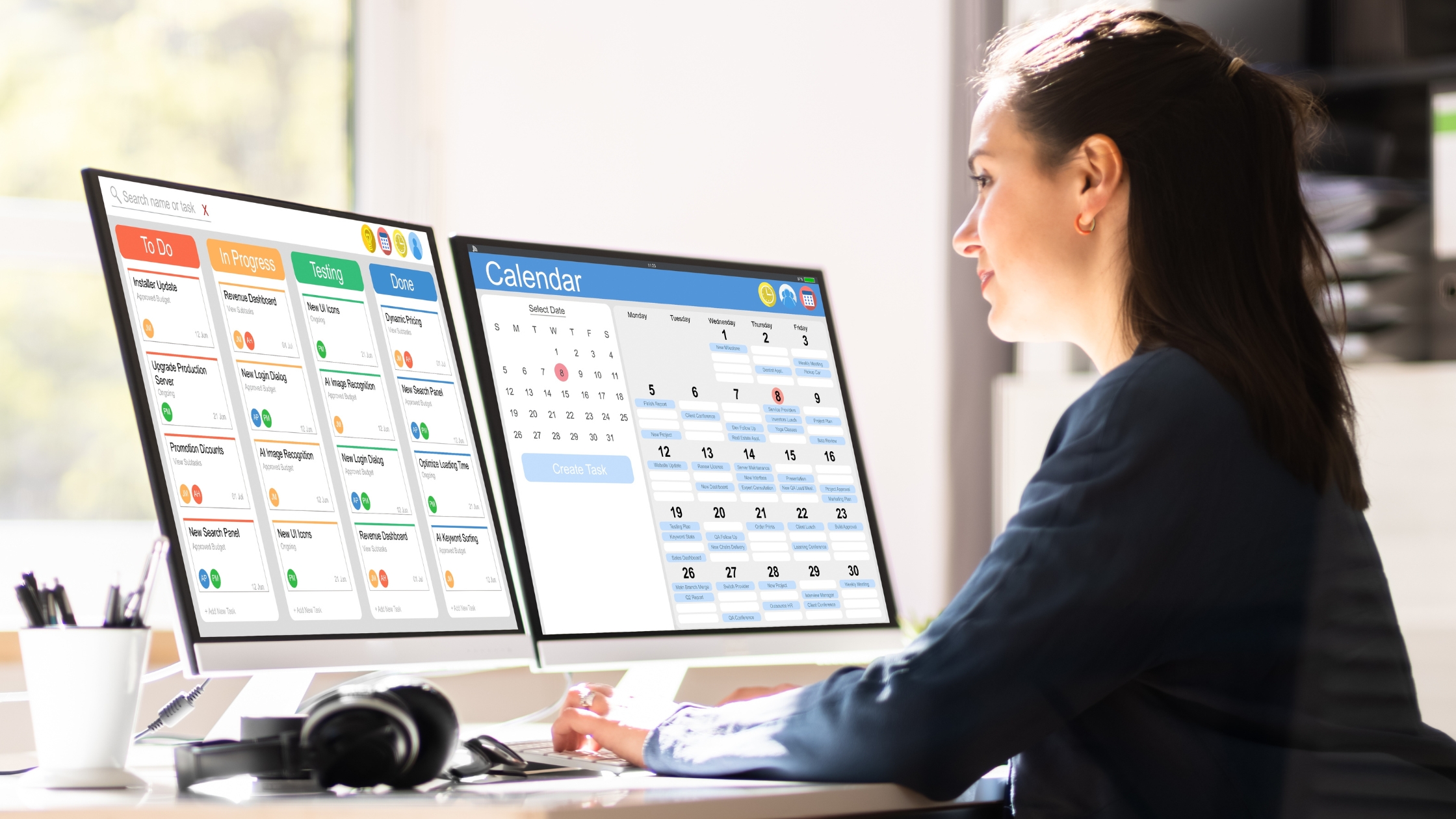
Australian HR teams are under pressure from two directions at once. On one side: hours lost to repetitive manual tasks chasing paperwork, reconciling leave records, sending onboarding documents one by one. On the other: one of the most complex regulatory environments in the world. With over 100 Modern Awards, Single Touch Payroll Phase 2, the National Employment Standards, and state-specific obligations all in play, the cost of getting it wrong has never been higher.
From January 2025, deliberate wage underpayments are now a criminal offence. Fair Work record-keeping failures can attract fines of up to $66,600 per breach. The right to disconnect became law for large employers in August 2024, with small businesses following in August 2025. Manual HR processes simply cannot keep pace with this environment.
Over 70% of Australian companies now use HR technology for payroll, workforce management, and engagement. Businesses that automate HR processes typically save 10–20 hours per week across onboarding, compliance tracking, and leave management.
HR workflow automation software removes the manual effort from these processes but not all platforms are built equal. Global tools frequently fall short on Australian-specific compliance requirements. This guide covers the ten core features every Australian business should look for before committing to a platform.
What Is HR Workflow Automation Software?
At its most straightforward, HR workflow automation software detects pre-set triggers and launches automated actions to move HR processes forward without anyone needing to manually initiate them. The underlying logic is simple: if X happens, then Y occurs automatically.
The difference between basic HR software and true workflow automation is important. Basic HR software stores data. Workflow automation actively moves processes. When a new hire is added to the system, it doesn't just record that fact it fires off an onboarding checklist, delivers the Fair Work Information Statement, sends the TFN declaration form, and notifies IT to provision system access.
Some practical examples of how this plays out:
- An annual review falls due: The system sends reminders and auto-generates the review documents
- A leave request is submitted: It routes to the manager for approval, updates payroll on approval, and syncs with the team calendar
- An employee completes their probation period: A contract conversion workflow is automatically triggered
Modern platforms are also incorporating AI-powered enhancements, including resume screening, sentiment analysis across employee surveys, and predictive leave liability modelling. These capabilities are becoming increasingly relevant as Australian HR teams are asked to do more with smaller headcounts.
Why Australian Businesses Need HR Automation More Than Ever
Australian employment law is among the most complex in the world for employers to navigate. The Fair Work Act 2009, the National Employment Standards, over 100 Modern Awards covering industry and occupation-specific entitlements, state-based WHS obligations, and the Privacy Act 1988 all create layered compliance demands that most HR teams struggle to track manually.
The 2025–2026 regulatory landscape has made this more pressing:
- Wage theft criminalisation (January 2025): Deliberate underpayments now carry criminal charges for individuals, not just civil penalties for businesses
- Right to Disconnect (August 2024 for large employers, August 2025 for small businesses): Employers must have documented policies and acknowledgement records
- Casual conversion obligations: Tracking casual employment patterns and issuing conversion notices at the right intervals is now a legal requirement
- Record-keeping fines: Up to $66,600 per breach for failures to maintain or produce employment records
Beyond compliance risk, there is the human cost. HR managers running manual processes spend significant time on tasks that deliver no strategic value. Errors accumulate. Inconsistency creeps in. Critical obligations get missed not through negligence but through volume. Automation addresses all of this by making compliance the default, not the exception.
Must-Have Features of HR Workflow Automation Software
Here are the ten core capabilities Australian businesses should evaluate when selecting an HR automation platform.
1. Automated Payroll Workflows with Australian Compliance Built In
Payroll is non-negotiable for Australian businesses. It is also where the most serious compliance failures tend to occur. A platform that cannot handle the nuances of Australian payroll is not a genuine option.
At minimum, the system must handle:
- Modern Award interpretation: Penalty rates, allowances, and overtime rules automatically applied each pay cycle across the relevant award
- Superannuation calculations: Current rate applied automatically, with updates pushed through as the rate changes legislatively
- Single Touch Payroll (STP) Phase 2 reporting: Direct ATO integration, not a manual upload process
- PAYG: Across all applicable tax scales
- State-based payroll tax: Hold monitoring
The critical question to ask any vendor is: “Which Modern Awards does your system support natively?” If they cannot give a specific, current answer, that is your answer. Global HR platforms retrofitted for Australia frequently handle payroll at a surface level without the granular award intelligence Australian employers actually need.
2. Intelligent Onboarding Automation
Good onboarding automation begins before the employee's first day. The moment a contract is signed, the system should be moving.
A compliant, effective onboarding workflow covers:
- Pre-boarding checklists triggered at contract signature, not Day 1
- Automated delivery of the Fair Work Information Statement a legal requirement for all new employees
- Digital collection of TFN declarations, superannuation choice forms, bank details, and emergency contacts
- Role-based access provisioning requests to IT and facilities
- Task assignment to both the new hire and their manager via automated checklists
- Welcome communications and induction scheduling
The consistency argument is straightforward: automated onboarding means every new hire receives exactly the same experience, every time. The legal argument is even more direct: failing to deliver the Fair Work Information Statement is a compliance breach with no upside.
3. Leave and Absence Management Automation
Leave management carries more compliance complexity in Australia than many employers realise. Getting it wrong creates underpayment exposure.
The system needs to automate:
- The full leave approval chain: submission → manager approval → payroll update → team calendar sync
- Leave accrual calculations: correctly account for full-time, part-time, and casual entitlements
- State-specific public holiday calendars: (NSW, Victoria, Queensland, and others have different calendars)
- Automatic flagging when leave requests: create understaffing risks or conflicts with other approved leave
- Long service leave tracking: Portable LSL schemes in Victoria for specific industries
- Parental leave workflows: Aligned with NES entitlements
A practical rule: Look for systems where leave balances feed directly and automatically into payroll. Any manual reconciliation step between the two systems doubles the error risk. Given that incorrect leave accruals directly contribute to underpayment exposure, this integration is not optional.
4. Compliance Workflow Automation and Document Management
Compliance automation is where workflow software moves beyond efficiency and becomes genuine risk management.
This feature covers:
- Automated policy acknowledgement workflows with digital sign-off and timestamped audit trail
- Compliance training assignment and completion tracking (WHS, EEO, sexual harassment prevention, and others)
- Automated alerts for expiring certifications, work visa renewals, and professional licence renewals
- Incident logging and structured investigation workflows
- Centralised, secure document storage for employment contracts, performance records, and training certificates
The Australian-specific stakes are significant. Employment records must be retained for seven years under Fair Work requirements. Payslips must be issued within one working day of payment. Fair Work audits require comprehensive, accessible records that can be produced quickly.
A system that generates timestamped audit trails for every sign-off and acknowledgement is not a luxury; it is your evidence in the event of a dispute.
5. Performance Management Workflows
Performance management automation serves two purposes: improving the quality and consistency of performance conversations, and creating the documented record that protects employers under the Fair Work Act.
The system should automate:
- Goal-setting workflows at the start of each review period, with mid-point check-in reminders built in
- Review document generation and routing for sign-off
- Performance improvement plan (PIP) workflows with documented steps, milestones, and timelines
- Probation review triggers when the probation period end date approaches
- 360-degree feedback collection workflows
The legal protection angle matters here. Unfair dismissal provisions under the Fair Work Act apply after six months of employment for businesses with 15 or more employees, and after 12 months for smaller businesses.
When genuine performance issues exist, a documented and consistent performance management system is your evidence trail. Without it, even justified terminations carry significant legal risk.
6. Employee Self-Service (ESS) Portal
Every task an employee can complete themselves is a task that does not land on an HR manager’s desk. Self-service capability is a direct multiplier on HR team capacity.
A functional ESS portal covers:
- Payslip access without contacting HR
- Leave requests and real-time leave balance visibility
- Personal detail updates including bank account, address, and emergency contacts
- Timesheet submission and viewing
- Access to company policies and required documents
- Training module access and completion tracking
For Australian businesses with frontline or shift-based workers common in retail, hospitality, construction, and aged care mobile accessibility is not a nice-to-have. Most of these employees will only ever access the system via their phone. A portal that is not mobile-responsive effectively does not work for a large share of your workforce.
7. Recruitment and Applicant Tracking Automation
Recruitment automation covers the full hiring lifecycle and connects directly into onboarding, eliminating the data re-entry that typically happens between the two stages.
Core capabilities include:
- Multi-channel job posting to SEEK, LinkedIn, and Indeed from a single action
- Applicant tracking through defined hiring stages with status visibility
- AI-assisted screening and shortlisting based on role requirements
- Automated interview scheduling with calendar invites to all parties
- Offer letter generation and e-signature collection
- Pre-boarding trigger activated automatically when an offer is accepted
From a Fair Work perspective, documented and consistent hiring processes protect against discrimination claims by demonstrating that all candidates were assessed on the same criteria.
If your business uses AI screening, ensure the platform provides explainability and maintains human review for contested shortlisting decisions Australian employers remain responsible for the decisions made, even when an algorithm is involved.
How to Choose the Right HR Workflow Automation Software for Your Australian Business
Selecting the right platform is a structured decision, not a feature comparison exercise. Work through this framework before engaging vendors.
Step 1: Define Your Pain Points First
Where are you losing the most time? Payroll corrections, leave tracking discrepancies, onboarding paperwork, compliance training follow-up? Where are your biggest compliance exposures right now? Start there.
Step 2: Check Australian-Specific Compliance Capability
Which Modern Awards does the platform support and how are they updated when entitlements change?
- Is STP Phase 2 compliance built in natively, or added as a third-party module?
- Are state-specific leave rules and public holiday calendars included?
- Does the platform meet Fair Work record-keeping standards for retention and accessibility?
Step 3: Assess Scalability
Will this platform support you from 10 to 50 to 200 employees without a painful migration? Is pricing structured in a way that does not punish you for growth?
Step 4: Evaluate Integration Compatibility
Does it connect with your existing payroll and accounting tools today? Is there an open API for integrations you may need in future?
Step 5: Test Usability Before Committing
Is the interface intuitive for non-technical HR users? Does it have a genuinely mobile-responsive portal for frontline staff? What does the vendor’s onboarding and ongoing support actually look like — not in the sales deck, but in customer references?
Step 6: Check the Vendor’s Australian Credentials
Is the vendor based in Australia or do they have a dedicated local support and compliance team?
Do they actively monitor Australian legislative changes and push updates to the platform proactively?
Where is your data stored? Australian data residency is a Privacy Act compliance consideration for many organisations.
Why Sentrient Is Built for Australian HR Automation
Sentrient was designed specifically for the Australian employment environment not adapted from a global platform that treats Australian compliance as an edge case.
Key capabilities relevant to the features covered in this guide include:
- Automated onboarding with Fair Work Information Statement delivery, digital contracts, e-signatures, and pre-boarding checklists
- A compliance training library covering WHS, EEO, sexual harassment prevention, workplace bullying, and right to disconnect, with automated assignment and completion tracking
- Policy acknowledgement workflows with timestamped digital sign-offs and full audit trail
- Leave management integrated directly with payroll, eliminating manual reconciliation
- Performance review workflows with documented records, PIP management, and probation tracking
- Automated compliance alerts for expiring certifications and upcoming policy review deadlines
Sentrient is trusted by over 1,000 organisations across Australia and New Zealand, scaling from small businesses to enterprises. Its modular pricing means you pay for the capabilities you actually need.
The Australian-based support team actively monitors legislative changes and updates the platform accordingly which means when the award rate changes or new obligations are introduced, your system reflects that before the compliance deadline arrives.
Conclusion
In Australia’s compliance-heavy employment environment, HR workflow automation has moved from a productivity improvement into a risk management necessity. Wage theft criminalisation, Fair Work audit exposure, the complexity of Modern Award interpretation, and the volume of documentation required to defend employment decisions none of this is manageable at scale with manual processes.
The ten features covered in this guide payroll compliance automation, intelligent onboarding, leave management, compliance workflow and document management, performance management, employee self-service, recruitment and applicant tracking, reporting and analytics, customisable workflow building, and integration capability represent the baseline for any platform worth evaluating.
The right HR automation software reduces administration time, eliminates errors, maintains audit-ready documentation as a matter of course, and frees HR teams to focus on the work that actually requires human judgment.
Schedule a free demo: sentrient.com.au/free-demo
Frequently Asked Questions
1. What is HR workflow automation?
HR workflow automation is software that uses trigger-based logic to automatically move HR processes forward such as sending onboarding documents when a new hire is added, routing leave requests to the right approver, or scheduling performance reviews without manual intervention.
2. What's the difference between HR software and HR workflow automation software?
Basic HR software stores and manages employee data. HR workflow automation goes further. It actively triggers actions, routes tasks, sends notifications, and connects processes end-to-end. Automation is what turns a data repository into a functioning HR operation.
3. Why is HR automation particularly important for Australian businesses?
Australia has one of the most complex employment law environments globally — over 100 Modern Awards, STP Phase 2 ATO reporting, National Employment Standards, state-specific leave rules, and WHS obligations. Automation helps businesses stay compliant with all of these simultaneously, reducing the risk of Fair Work penalties or ATO issues.
4. What HR workflows should I automate first?
Start with the highest-volume, highest-risk areas: payroll processing, employee onboarding (including Fair Work Information Statement delivery), and leave management. These three areas generate the most administrative burden and carry the greatest compliance risk if handled incorrectly.
5. How long does it take to implement HR workflow automation software?
For small businesses (under 50 employees), most platforms can be live within 1–4 weeks. Mid-sized businesses with more complex configurations or multiple integrations typically take 4–12 weeks. Enterprise implementations with full ERP integration may take 3–9 months.

Human resource management system can greatly improve your HR workflow. To help you decide whether your company needs it, here are some benefits of HR software that both your HR team and employees will appreciate.

The right HR software is used, it proves to be a better solution for the HR and payroll needs of any company.