





Receiving solar PTO marks the final step before a system can legally begin exporting electricity to the utility grid. Without this authorization, even a fully installed system cannot operate or generate bill credits. The PTO approval process confirms that the system has passed inspections, meets utility interconnection standards, and is safe for grid operation.
PTO Inter connections>>>>> https://www.wattmonk.com/service/pto-interconnection/
However, installers frequently encounter delays during PTO connection due to documentation gaps, inspection scheduling, or incomplete interconnection submissions. Understanding how solar PTO works and what utilities expect during the approval stage can help solar companies reduce delays and keep projects moving toward activation. A structured approach to documentation and compliance is often the difference between weeks of waiting and a smooth approval timeline.
What Solar PTO Means in a Solar Installation Project?
Solar PTO or permission to operate, is the formal authorization issued by a utility allowing a solar energy system to begin exporting electricity to the grid. Until solar PTO is granted, the installed system must remain inactive even if construction and inspections are complete.
The purpose of PTO is to ensure that the solar installation complies with grid safety standards and approved interconnection parameters. Utilities verify that the system design, equipment specifications, and protection mechanisms align with the approved interconnection agreement before allowing energy export.
In most cases, solar PTO is issued only after the approval process confirms three critical checkpoints: successful local authority inspections, proper meter configuration, and final utility verification. Once PTO is granted, the system can officially begin generating power for on-site consumption and grid export through the established PTO connection with the utility network.
Understanding the PTO Approval Process
Once installation and inspections are complete, the PTO approval process begins with the utility reviewing whether the project meets all interconnection and safety requirements. This stage confirms that the system installed matches the design approved during the utility interconnection phase and that it can safely operate within the local grid infrastructure.
Final Inspection and Documentation Review
Before utilities consider issuing solar PTO, installers must submit final inspection reports and system documentation. These typically include approved permits, inspection sign-offs from the Authority Having Jurisdiction (AHJ), equipment specifications, and the finalized system layout. Any inconsistencies between the approved design and installed equipment can slow the PTO approval process.
Utility Verification and Meter Configuration
Utilities then verify the system details against the interconnection agreement. This may include confirming inverter specifications, system capacity, and protective equipment. In many cases, utilities also install or activate a bi-directional meter to establish the official PTO connection, enabling the system to track both electricity consumption and solar exports.
Issuance of Solar PTO
After verification is complete and the utility confirms compliance, Solar PTO is issued. At this point, the system is officially authorized to begin exporting electricity to the grid. Receiving Solar PTO signals that the project has successfully completed the PTO approval process and is ready for full operation.
Key Requirements for Solar PTO Connection
Utilities evaluate several technical and documentation checkpoints before approving a PTO request. Meeting these requirements ensures that the system can operate safely within the utility grid and aligns with the approved interconnection agreement. Missing or incomplete documentation is one of the most common reasons the PTO approval process slows down.
Key requirements typically include:
Completed interconnection agreement: The utility must have an approved interconnection application that outlines system size, equipment specifications, and grid integration parameters required for the PTO connection.
Final inspection approval: The Authority Having Jurisdiction (AHJ) must confirm that the installation meets local electrical and building codes before the PTO approval process can move forward.
As-built system documentation: Installers may need to submit final system drawings, equipment lists, and updated layouts to verify that the installed system matches the approved design used for PTO evaluation.
Metering setup for grid export: Utilities often install or activate a bi-directional meter to establish the official PTO connection, allowing accurate tracking of both electricity consumption and exported solar energy.
Utility verification of system safety: Before issuing PTO, utilities confirm that inverters, disconnects, and protection systems comply with interconnection standards and grid safety requirements.
Why PTO Delays Happen in Solar Projects
Even after installation is complete, receiving solar PTO can take longer than expected. Delays during the PTO approval process are often linked to documentation gaps, coordination issues, or utility review timelines.
Incomplete or Incorrect Documentation
Utilities rely on precise documentation to verify that the installed system aligns with the approved interconnection application. Missing inspection reports, incorrect equipment details, or outdated system drawings can interrupt the PTO approval process, requiring installers to resubmit updated documents before the request moves forward.
Utility Review Backlogs
Many utilities process a large number of interconnection requests simultaneously. Even when documentation is accurate, applications for solar PTO may enter a queue for review. Processing time varies by utility, but high application volumes can slow the PTO connection timeline.
Meter Installation Scheduling
For most grid-tied systems, utilities must install or activate a bi-directional meter before issuing solar PTO. If meter installation appointments are limited or delayed, the PTO approval process may remain pending even after all paperwork is approved.
Interconnection Compliance Checks
Utilities must confirm that inverter settings, system capacity, and protection equipment meet grid safety standards. If the installed system differs from the approved interconnection details, the PTO connection request may require additional verification before.
How Installers Can Accelerate Solar PTO Approval
Although utilities ultimately control the PTO approval process, installers can significantly reduce delays by submitting complete and accurate documentation. Inspection approvals, final system drawings, and equipment specifications should match the details provided during the interconnection application to avoid review interruptions.
A structured workflow also helps keep the PTO connection timeline predictable. When project documentation, engineering details, and compliance requirements are organized early, utilities can review submissions faster and move the application toward without repeated corrections.
Many solar companies rely on experienced technical teams and standardized documentation processes to ensure each PTO approval process submission meets utility requirements the first time, helping projects move from installation completion to final PTO connection more efficiently.
Concluding Thought
As solar deployment continues to grow, utilities are managing a higher volume of interconnection requests, making the PTO approval process a critical stage in project timelines. Installers that treat PTO as an operational milestone rather than a final administrative step tend to experience fewer approval delays. Accurate engineering documentation, consistent equipment specifications, and well-organized submission packages help utilities review applications more efficiently and move projects toward PTO connection without repeated clarification requests. For solar companies managing multiple installations, building a disciplined approach to the PTO approval process reduces bottlenecks and ensures projects reach PTO faster.
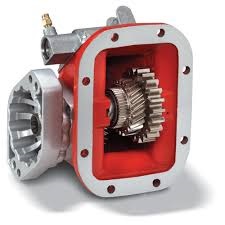
The World Power Take Off (PTO) Market Research Report 2025 (covering USA, Europe, China, Japan, India, South East Asia and etc), is an informative market report offered by DecisionDatabases.com.Power Take Off (PTO) market research report provides the newest industry data and industry future trends, allowing you to identify the products and end users driving Revenue growth and profitability.The industry report lists the leading competitors and provides the insights strategic industry Analysis of the key factors influencing the market.The report includes the forecasts, Analysis and discussion of important industry trends, market size, market share estimates and profiles of the leading industry Players.Final Report will cover the impact of COVID-19 on this industry.Access Full Report with Table of Contents @ https://www.decisiondatabases.com/ip/50716-world-power-take-off-pto-market-reportThe Players mentioned in our reportInterpump GroupParkerOMFBWeichai PowerBezaresZF Friedrichshafen AGKozanoglu Kozmaksan Ltd.Ozceylanlar Hydraulic Co.OMSIHyvaSUNFABMX CompanyQijiang Gear Transmission Co., Ltd. (QJGT)Global Power Take Off (PTO) Market: Product Segment AnalysisPower Take Offs - 6 BoltPower Take Offs – 8 BoltPower Take Offs – 10 BoltGlobal Power Take Off (PTO) Market: Application Segment AnalysisAutomotiveMachineryGlobal Power Take Off (PTO) Market: Regional Segment AnalysisUSAEuropeJapanChinaIndiaSouth East AsiaDownload Free Sample Report of World Power Take Off (PTO) Market @ https://www.decisiondatabases.com/contact/download-sample-50716There are 10 Chapters to Deeply Display the World Power Take Off (PTO) Market.Chapter 1 About the Power Take Off (PTO) IndustryChapter 2 World Market Competition LandscapeChapter 3 World Power Take Off (PTO) Market shareChapter 4 Supply Chain AnalysisChapter 5 Company ProfilesChapter 6 Globalisation & TradeChapter 7 Distributors and CustomersChapter 8 Import, Export, Consumption and Consumption Value by Major CountriesChapter 9 World Power Take Off (PTO) Market Forecast through 2025Chapter 10 Key success factors and Market OverviewPurchase full World Power Take Off (PTO) Market Research Report @ https://www.decisiondatabases.com/contact/buy-now-50716Other Reports by DecisionDatabases.com:World Power Tools Market Research Report 2025(covering USA, EU, China, South East Asia, Japan and etc)World Programmable Power Supply Market Research Report 2025 (Covering USA, Europe, China, Japan, India and etc)About-Us:DecisionDatabases.com is a global business research reports provider, enriching decision makers and strategists with qualitative statistics.
DecisionDatabases.com is proficient in providing syndicated research report, customized research reports, company profiles and industry databases across multiple domains.Our expert research analysts have been trained to map client’s research requirements to the correct research resource leading to a distinctive edge over its competitors.
We provide intellectual, precise and meaningful data at a lightning speed.For more details:DecisionDatabases.comE-Mail: sales@decisiondatabases.comPhone: +91 9028057900Web: https://www.decisiondatabases.com/


John Deere 5310 tractor came with various better features and technical specifications.
If you are scouting any tractor that contains superb performance and provides an efficient tractor with an adorable design, you should choose the John Deere tractor 5310, an impeccable and suitable tractor.
The company offers adequate quality for an effective tractor.
John Deere 5310 features and specifications are given below:- John Deere 5310 provides the single Wet Clutch; it helps work efficiently in the field, and the fuel tank is 68 ltr; this supports the farmer for consistently long hour work in the field.
John Deere 5310 offers the 2000 Kgf high lift capacity because Hydraulics is highly powerful, and for the most prominent reason, this tractor is the best compared to other tractors.
John Deere 5310 tractor delivers the best option like self equalizing, hydraulically actuated, and Oil Immersed Disc Brakes and Independent, 6 Splines power take-off.5310 John Deere tractor is economical by the PTO hp, which offers the better power take-off.The power steering of the John Deere 5310 is comfortable for handling the tractor easily and smoothly.