A Quick Overview
Roof systems across Kansas endure dramatic seasonal shifts, heavy winds, hailstorms, humidity swings, and freezing winters. Such weather patterns directly influence the longevity of roofing materials, particularly asphalt-based systems that dominate residential neighborhoods in Kansas City.
Homeowners often overlook routine maintenance until visible damage appears, yet small preventive measures significantly extend structural durability. Understanding how climate interacts with shingles, ventilation, flashing, and drainage systems provides clarity on what truly preserves roof integrity year after year.
Understanding Roofing Materials Used in Kansas
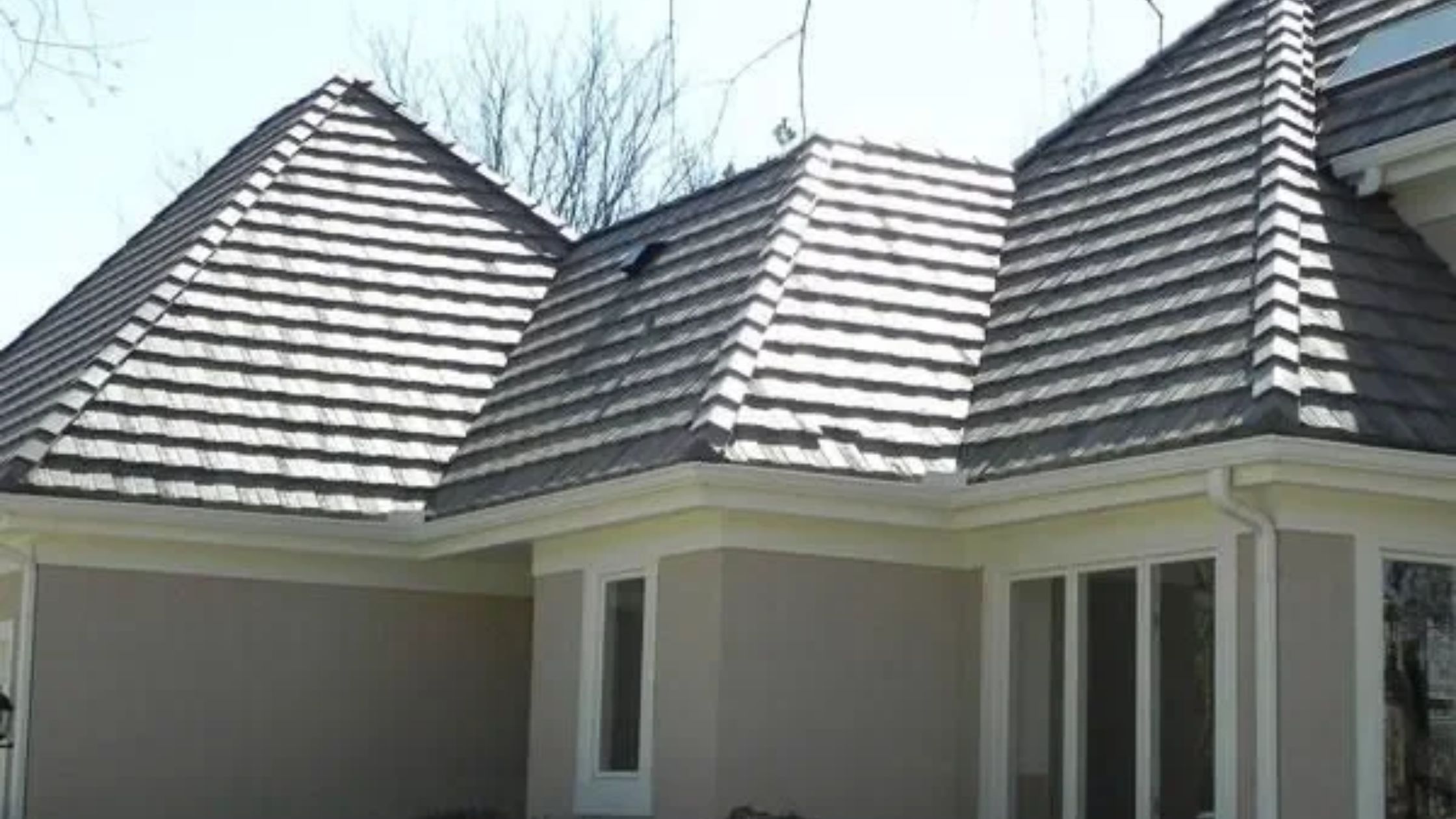
Homes across Kansas City feature a variety of roofing systems designed to withstand regional weather. Composition shingles remain widely installed because they balance durability and affordability. Tile roofing offers a distinctive architectural appearance and strong wind resistance. Slate roofs deliver longevity and natural stone resilience. Vinyl roofing appears in certain residential and light commercial settings where waterproofing flexibility matters.
Each material responds differently to heat, cold, and moisture. Composition shingles expand and contract through seasonal cycles. Tile and slate handle temperature extremes well but require structural support. Vinyl roofing systems resist moisture effectively but still demand regular inspection around seams and edges. Choosing materials matters, but maintaining them properly matters even more.
Weather Patterns in Kansas City and Their Impact on Shingles
Kansas City weather keeps homeowners on their toes. One week might bring strong winds, the next heavy rain, followed by freezing temperatures. Shingles absorb this stress repeatedly. Wind uplift loosens edges. Hail, bruises granules. Ice dams trap moisture along eaves. UV rays slowly dry out asphalt layers. Over time, these forces weaken protective surfaces and underlayment layers beneath them.
Homeowners often ask, “If the roof looks fine from the ground, is it really okay?” Not always. Damage begins subtly. Granule loss may appear in gutters before shingles visibly crack. Flashing around chimneys may separate slightly before leaks form. Routine observation prevents costly surprises.
Routine Maintenance Guide for Composition Shingle Roofing in Kansas City
Homeowners maintaining composition shingle roofing in Kansas City benefit from simple, consistent actions. Begin with visual inspections twice a year as spring and fall serve as ideal checkpoints. Look for curling edges, cracked tabs, missing shingles, or uneven patterns. Clean gutters regularly. Clogged gutters trap water, which can seep under shingles and damage decking. Trim overhanging tree branches to reduce debris buildup and storm impact.
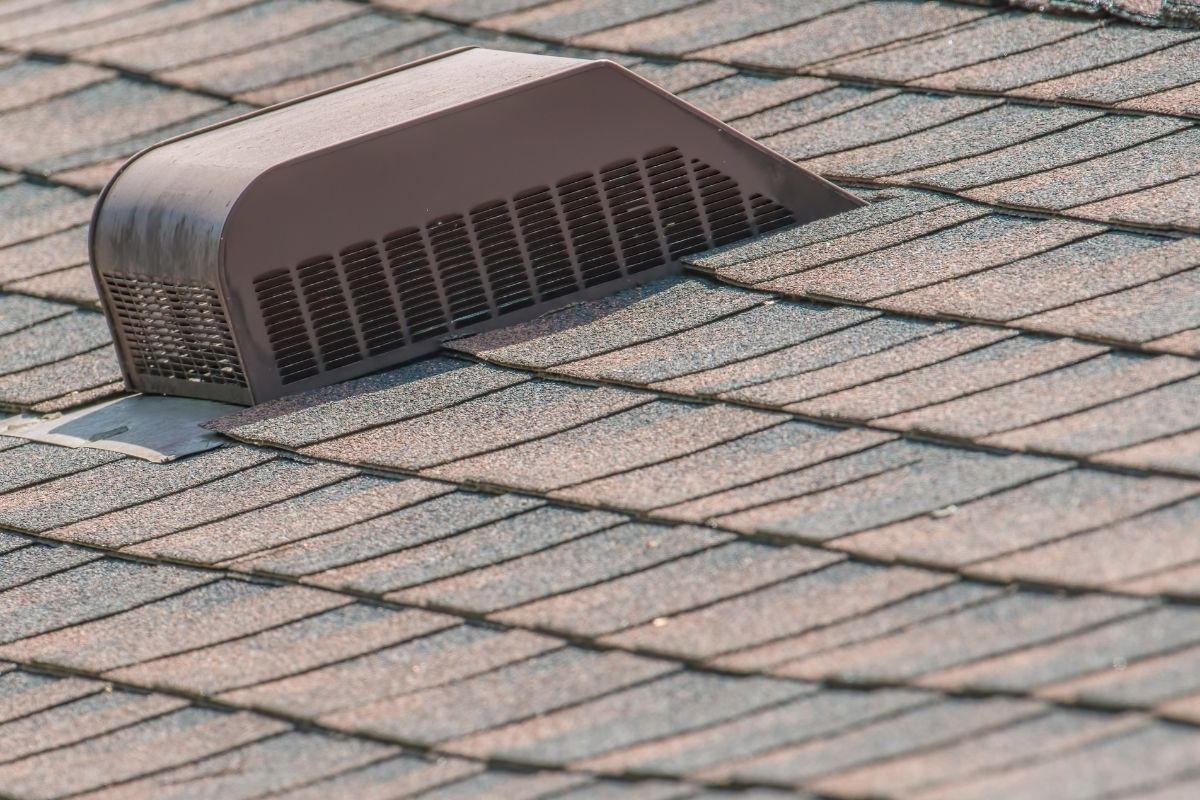
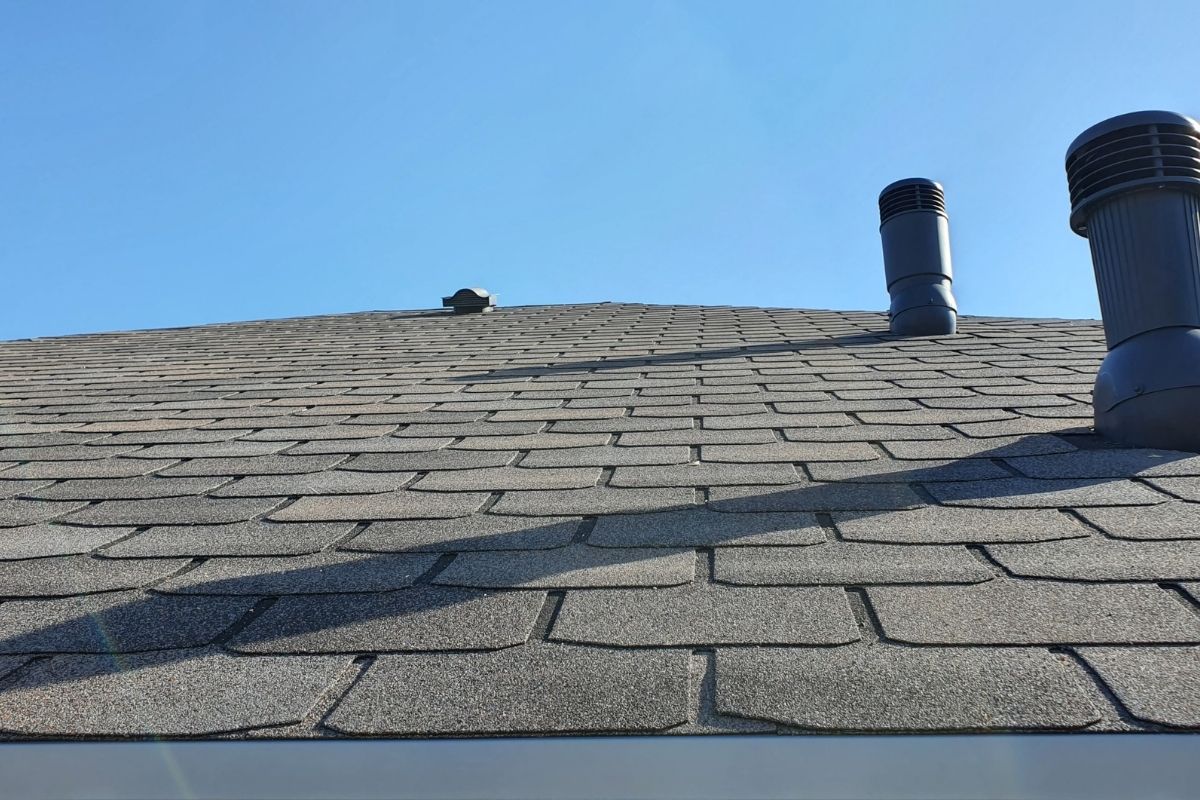
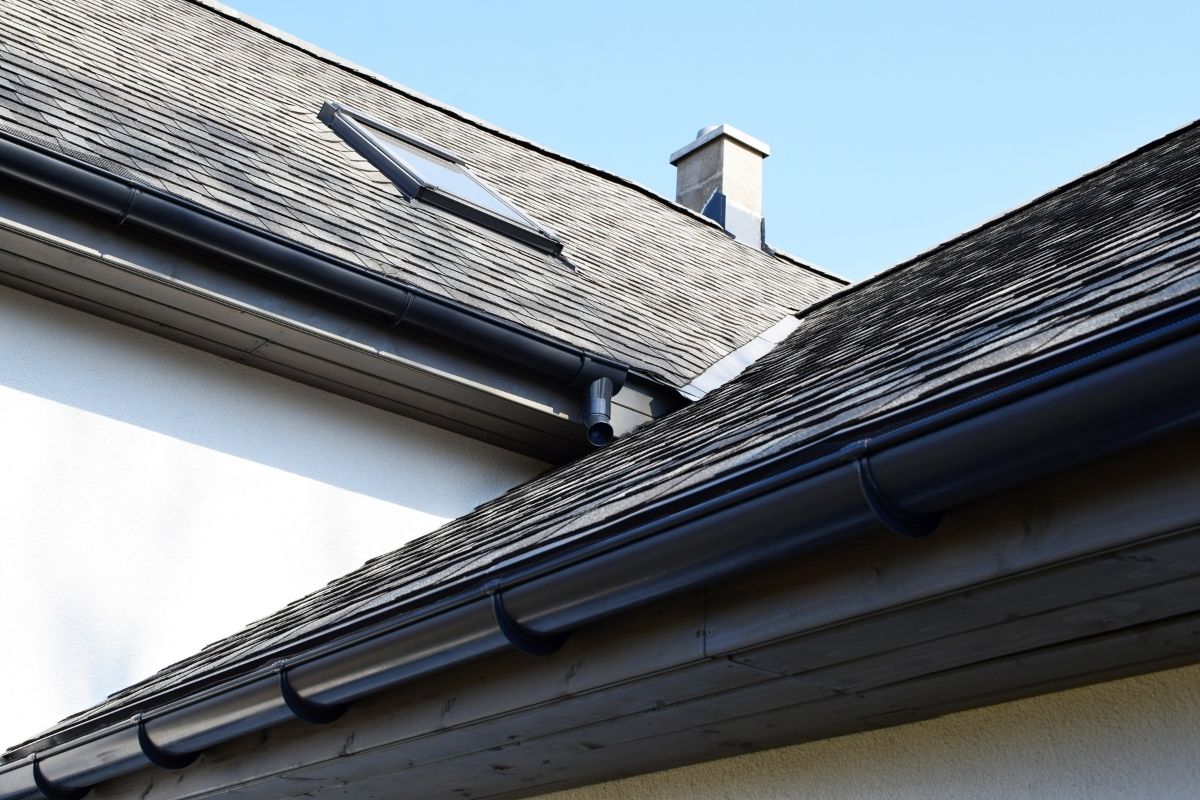
Check attic ventilation. Poor airflow accelerates heat buildup during summer and moisture retention during winter. Balanced ventilation extends the life of composition shingles significantly. Pay attention to flashing around skylights, vents, and chimneys. Even minor gaps invite leaks. Sealants deteriorate over time and require replacement. Small maintenance habits today reduce repair bills tomorrow. Think of it like changing oil in a car; skipping it long enough, trouble follows.
Seasonal Inspection Checklist for Composition Shingle Roofing in Johnson County, KS
Property owners with composition shingle roofing in Johnson County KS, should align inspections with seasonal shifts. After winter, inspect for ice damage and lifted shingles. During summer, watch for blistering caused by prolonged sun exposure. Fall maintenance focuses on clearing leaves and preparing drainage systems before freezing temperatures arrive. Winter demands careful monitoring for ice dams along roof edges.
Notice dark streaks forming? Algae growth sometimes appears in humid environments. Specialized cleaning methods remove buildup without damaging shingles.
Climbing onto the roof without proper safety equipment poses risks. Professional evaluations provide detailed assessments when needed.
Common Roofing Issues Homeowners Should Watch For
Shingles rarely fail overnight. Instead, warning signs appear gradually. Granules collecting inside gutters often indicate aging surfaces. Soft spots along the decking may suggest trapped moisture. Interior ceiling stains typically trace back to flashing or ventilation concerns rather than widespread shingle failure.
Loose ridge caps create entry points for wind-driven rain. Improper installation techniques may shorten the lifespan regardless of material quality.
While many homeowners focus solely on shingles, supporting components like underlayment, drip edges, and ventilation systems determine overall performance. Overlooking these elements invites repeated repair cycles. When problems arise, swift action limits structural damage and insulation issues.
When Professional Support Makes Sense
Maintenance handles minor concerns, yet certain situations demand trained evaluation. After major hailstorms in Kansas City, hidden bruising often weakens shingles beneath intact surfaces.
At this stage, working with a locally owned and operated contractor such as All American Roofing ensures familiarity with regional weather challenges. Their experience with residential and commercial properties throughout Kansas provides insight into how storms affect roofing structures differently across neighborhoods.
Technicians trained in tile, slate, vinyl roofing, and asphalt systems identify underlying concerns without unnecessary replacements. Repair decisions should rely on inspection findings, not assumptions. Professional assessments also document storm-related damage for insurance considerations, which simplifies claims when required.
Long-Term Care Strategies for Kansas Homes
Long-term durability depends on consistency. Homeowners maintaining composition shingle roofing in Kansas City should schedule annual inspections even when no visible damage appears. Preventive care costs less than emergency restoration.
Similarly, residents with composition shingle roofing in Johnson County, KS, benefit from tracking roof age and repair history. Most asphalt systems perform efficiently for decades when maintained properly, yet every roof reaches replacement timing eventually. Upgrading attic insulation improves energy efficiency and reduces temperature fluctuations affecting shingles. Installing impact-resistant shingles during replacement strengthens protection against hail.
Kansas City homeowners often debate between tile roofing, slate options, or updated composition shingles during renovations. Each offers unique performance characteristics, yet maintenance discipline remains the real difference-maker. Think of roofing maintenance like fitness, as consistency wins.
Conclusion
Roof longevity across Kansas City depends less on luck and more on attention to detail. Weather conditions challenge every roofing material, whether vinyl roofing, tile roofing, slate systems, or traditional composition shingles. Consistent inspections, seasonal preparation, and timely repairs preserve structural integrity and interior comfort.
Homeowners maintaining composition shingle roofing in Kansas City and Johnson County, KS, strengthen protection through preventive care rather than reactive fixes. Local knowledge plays a meaningful role as well. All American Roofing continues serving communities across Kansas with practical insight shaped by years of hands-on experience across residential and commercial properties.
A roof protects everything beneath it. Treating it with steady attention ensures it returns the favor for decades to come.
Frequently Asked Questions
1. How often should composition shingle roofing in Kansas City be inspected?
Homeowners should schedule inspections at least twice per year and after major storms. Regular checks identify minor wear before it develops into costly structural damage.
2. What makes composition shingle roofing in Johnson County, KS, vulnerable to weather changes?
Temperature swings, hail, and wind exposure stress asphalt materials. Repeated expansion and contraction weaken seals and reduce granule protection over time.
3. Can composition shingle roofing in Kansas City handle heavy hailstorms?
Modern impact-rated shingles perform well during moderate hail events. Severe storms may still cause hidden bruising that requires professional evaluation.
4. How long does composition shingle roofing in Johnson County, KS, typically last?
Well-maintained systems often last between 20 and 30 years, depending on installation quality, ventilation, and environmental exposure.
5. Does proper ventilation improve composition shingle roofing in Kansas City?
Balanced attic airflow reduces heat buildup and moisture retention, which significantly extends shingle lifespan.
6. When should repairs replace sections of composition shingle roofing in Johnson County, KS, instead of full replacement?
Localized damage from wind or minor leaks usually requires targeted repairs. Widespread aging or repeated issues may justify broader replacement.
7. What maintenance habits protect composition shingle roofing in Kansas City most effectively?
Routine gutter cleaning, trimming overhanging branches, inspecting flashing, and scheduling annual professional assessments provide the strongest preventive protection.