


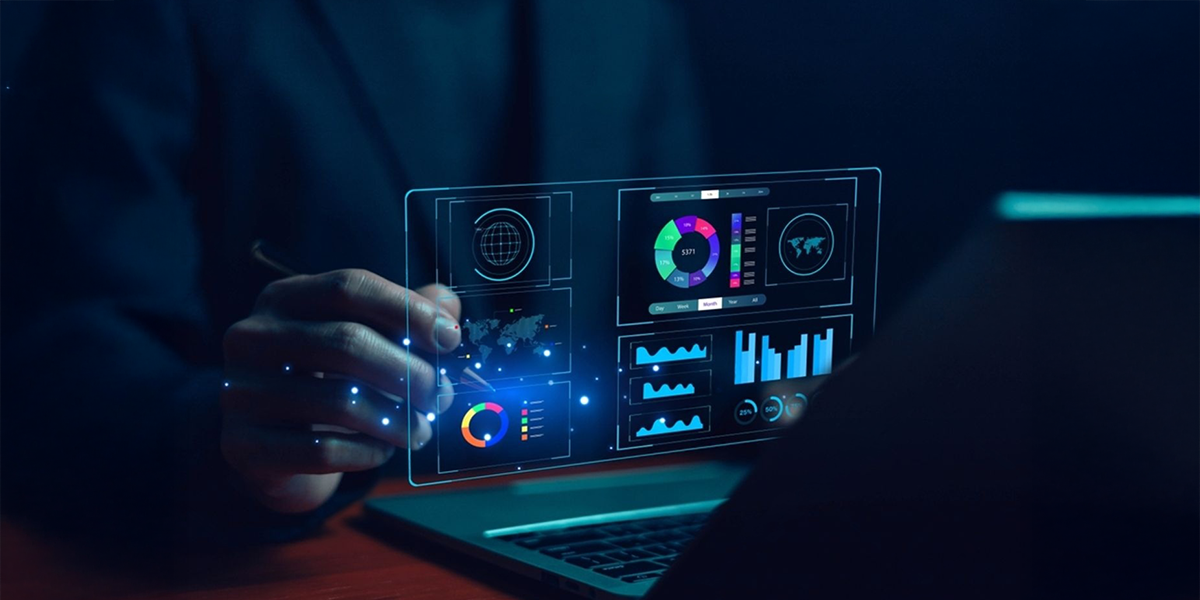
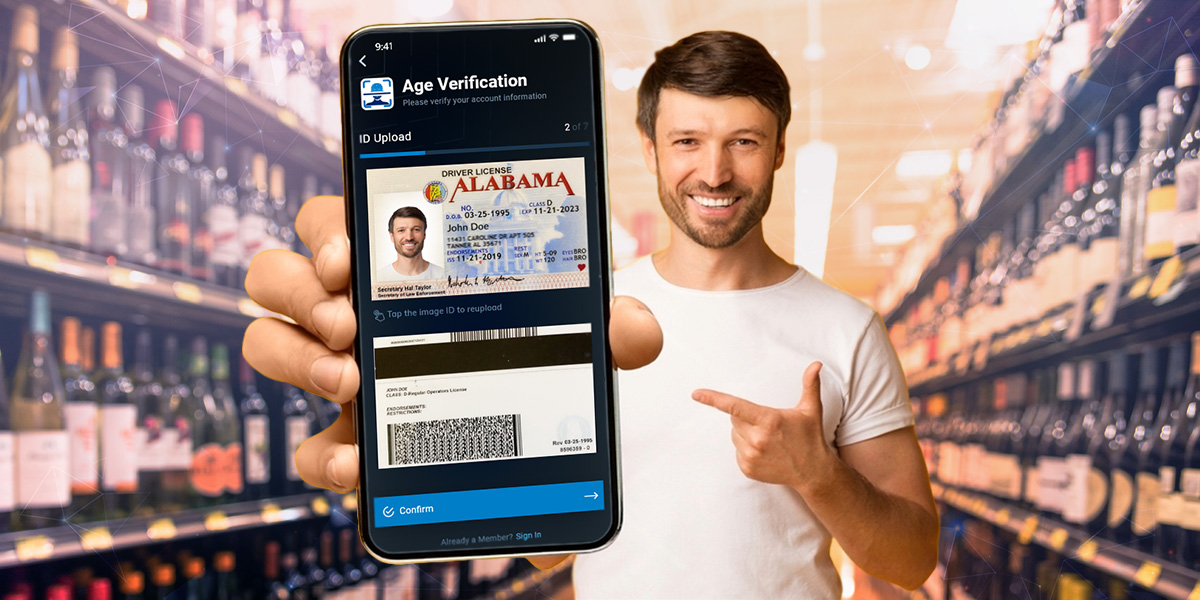
Selling age- restricted items includes barcode scanning, checking an ID, and other processes as well. Point-of-sale (POS) data analytics help retailers strengthen compliance, prevent costly violations, and discover new ways to increase profits.
As regulations for tobacco, vape, alcohol, and lottery sales continue to shift, retailers are facing immense pressure to remain compliant while meeting evolving customer expectations.
This is the reason why POS data analytics has become a useful tool. It turns routine transaction data into useful insights that help businesses operate smartly, safely, and more efficiently.
What Is POS Data Analytics?
It is the process of analyzing data collected from the POS system to get an idea of business insights. It involves examining transaction details, like products sold, when and where, payment methods used, customer information, sales trends, customer behavior, and inventory requirements.
With this analysis, retailers can make better decisions regarding inventory, marketing, and operational efficiency. There is a difference between POS data and retail data sources, as it is collected directly now; a sale takes place.
It gives you accurate and real-time information about actual purchases made by the customer. Other data like online analytics might show you data about trends or bulk sales, whereas POS data focuses on the final sale to the customer, which makes it important for understanding true buyer behavior.
Read More About POS Data Analytics: https://ftxidentity.com/blog/pos-data-analytics-for-liquor-retailers/
Maximize Your Business Profits Through POS Analytics
1. Identify Best-Selling Items: With retail POS data analytics, you can identify which are the best-selling items. This helps in making better inventory decisions. Having an idea about what sells well at different times of the year helps in planning your marketing strategies and optimizing your return on investment (ROI).
2. Price Optimization: Use sales history from POS analytics to set optimal price points. While optimizing price for products, take into consideration season, demand, and customer price sensitivity.
3. Customer Segmentation: POS analytics helps retailers segment customers based on their buying behavior, purchase frequency, and product preferences. By understanding customer segments, stores can customize promotions, product bundles, and loyalty offers that suit each group’s interests. It increases customer conversion rates and overall profitability.
4. Inventory Optimization: You can identify slow-moving items, forecast demand, and ensure that you have the right products in stock. It reduces inventory costs and wastage and avoids stock-related problems. This data can be used to optimize inventory, reduce lead times, and improve operational efficiency.
5. Cross-Selling and Upselling: With data analytics provided by a POS system, you can analyze which products can be frequently purchased together. This also helps in identifying opportunities for product bundles or providing training to your staff to suggest complementary items at the checkout.
6. Operational Efficiency: POS data analytics provides businesses with useful insights to improve routine operations and reduce associated costs. The streamlined data capture process minimizes data entry and errors, improving operational efficiency and reducing labor expenses.
7. Location-Specific Insights: POS analytics describes the performance of each store's location. These insights include which products sell best, peak shopping hours, and customer flow patterns.
It helps retailers optimize stock allocation, pricing strategies, and localized promotions. Store owners can make smart decisions about regional demand, reducing waste and increasing sales. Location-specific insights improve operational efficiency and revenue across all branches.
8. Shrinkage and Waste Reduction: POS analytics help retailers identify patterns in product loss, spoilage, and theft by tracking discrepancies between recorded and actual inventory.
With real-time data, stores can detect high-risk items, monitor staff activity, and take preventive actions. It supports better stock rotation and expiry management, reducing unnecessary waste. Few losses mean high profit margins and improved operational control.
9. Insights for Store Layout: POS data reveals which products sell most frequently and the paths customers take while shopping. It helps retailers design a more effective store layout.
By understanding popular zones and low-traffic areas, stores can place high-demand items in those optimal spots. It provides increased product visibility, impulse purchases, and offers a smooth customer flow.
Risk Minimization and Compliance Management
POS analytics help retailers reduce operational and regulatory risks by providing them with real-time visibility into store activities, customer behavior, and transaction patterns.
By analyzing data from sales, staff actions, and inventory movement, businesses can detect issues early, maintain compliance, and prevent costly mistakes.
1. Prevents Underage Sales: POS analytics tracks age-restricted transactions and flags any missed or incorrect ID checks. This helps ensure staff follow proper verification steps, reducing compliance failures.
2. Detects Fraudulent Behavior: Analytics tools identify unusual patterns like repeated voids, excessive discounts, or suspicious high-value purchases. These insights help retailers detect fraud early and prevent financial losses.
3. Compliance Reporting: POS data analytics software generates detailed compliance reports, which track ID checks, restricted sales, and staff actions. These automated reports simplify audits and ensure that the business meets legal needs. It reduces manual efforts and reduces reporting errors.
4. Employee Accountability: By tracking who performs each action, POS analytics create complete visibility into staff behavior like refunds, overrides, or age verification steps. This encourages responsible conduct and minimizes operational risks.
5. Reduces Inventory Theft or Misuse: POS analytics detects discrepancies between recorded sales and actual stock. This detects theft, illegal access, or mismanagement. It highlights unusual inventory movements and loss patterns. It protects high-value products and reduces shrinkage across the store.
How to Adopt POS Data Analytics?
The following are the steps that will guide you on how to adopt POS data analytics:
1. Assess Current POS Capabilities: Review what your current POS system can track. Check whether it captures important data like sales trends, inventory levels, customer behavior, and staff performance. Find out gaps that limit your ability to analyze business performance effectively.
2. Select a Suitable Analytics Platform: Choose the proper tools and analytics platforms that work well with your POS system and help grow your business using POS data analytics. Check for features like customizable reports, real-time dashboards, forecasting tools, and integration with inventory or CRM software.
3. Training and Staff Enablement: Ensure your staff is well-versed in using data analytics tools and comprehends the statistics. It is essential to provide your staff with proper training and support to help them use the information provided by POS data analytics. Well-trained employees improve execution across sales, inventory, and customer service.
4. Measure Success and ROI: Track key metrics like sales improvement, inventory costs, checkout times, or customer retention to evaluate results.
Compare performance before and after implementing analytics to measure its real impact. Regularly review dashboards and adjust strategies based on the insights you gather.
Conclusion
POS analytics help retailers maintain a perfect balance between maximizing profits and meeting strict compliance requirements. By giving real-time insights into customer behavior, sales trends, and product performance, they help businesses optimize stock, reduce waste, and increase revenue. These analytics strengthen age verification, prevent fraud, and support accurate reporting, ensuring every transaction follows the rules.



Enterprises are embracing agile and time-tested product engineering services to address the challenges of age-old legacy products.
Read this eBook to know how it can help achieve product excellence and maximize profitability.