


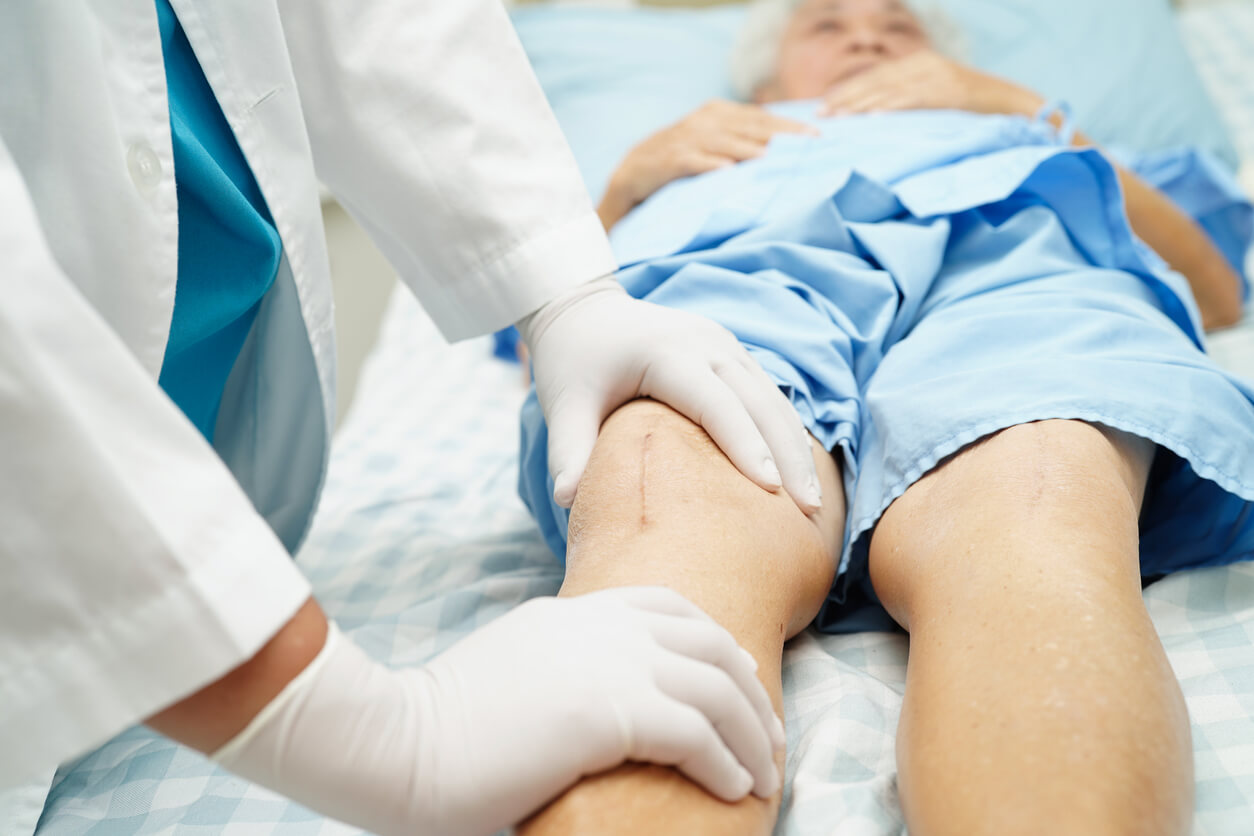
Knee problems can significantly affect daily movement, athletic performance, and overall quality of life. For people who enjoy running, hiking, sports, or other physical activities, knee injuries or degenerative joint conditions can be especially frustrating. Fortunately, modern medical developments have transformed how orthopedic specialists approach knee surgery, making procedures safer, more precise, and more effective for active individuals who want to return to the activities they love.
Advances in surgical technology, rehabilitation techniques, and treatment planning have improved both short-term recovery and long-term outcomes. These improvements mean that patients today often regain mobility faster and with greater confidence than in the past.
Modern Surgical Techniques Improve Precision
One of the most important changes in knee surgery is the use of more advanced methods that help orthopedic surgeons be more precise in their work. Minimally invasive methods, which need smaller cuts and less damage to nearby tissues, are now used in many treatments.
Because these techniques reduce trauma to muscles and ligaments around the joint, patients often experience less pain after surgery. This can also shorten hospital stays and allow patients to begin rehabilitation sooner. For active individuals who are eager to regain strength and flexibility, this level of precision can make a meaningful difference in recovery time.
Personalized Treatment Plans for Active Lifestyles
Another major advancement in knee surgery is the growing emphasis on personalized care. Orthopedic specialists now take a detailed approach when evaluating each patient, considering factors such as age, physical activity level, lifestyle goals, and overall joint health.
For athletes and active adults, treatment plans are often designed with performance recovery in mind. Surgeons and rehabilitation teams collaborate to determine the best surgical approach and recovery strategy based on how the patient intends to use their knee in the future. This personalized method helps make sure that the treatment fits with the patient's planned activities and way of life.
Advanced Imaging and Diagnostic Tools
Improved diagnostic technology has also played an important role in modern orthopedic care. High-resolution imaging techniques allow doctors to analyze joint structures with greater clarity than ever before. These tools help specialists understand the extent of cartilage damage, ligament injuries, or bone alignment issues before recommending knee surgery.
With more detailed information available before the procedure, surgeons can plan operations more accurately. This preparation reduces the likelihood of complications and helps ensure that the surgical approach addresses the exact cause of the patient’s discomfort or instability.
Improved Rehabilitation and Recovery Programs
Surgery is only one part of the recovery process. Modern rehabilitation strategies have evolved alongside surgical improvements to help patients rebuild strength and mobility more efficiently.
Physical therapy programs today focus on restoring range of motion, strengthening surrounding muscles, and improving joint stability. These structured rehabilitation plans are especially important for active patients who want to safely return to sports, exercise routines, or physically demanding occupations.
By combining advanced surgical care with guided rehabilitation, many individuals can gradually regain the ability to participate in the activities they once enjoyed.
Long-Term Joint Health and Mobility
Another benefit of recent progress in knee surgery is the focus on long-term joint preservation. Surgeons now aim not only to relieve pain but also to maintain the natural function of the knee whenever possible.
Procedures are often designed to protect surrounding structures and maintain joint alignment, which can help prevent further damage over time. For active patients, this means greater confidence in movement and a reduced risk of recurring injuries.
A Positive Outlook for Active Patients
Modern orthopedic medicine has made significant strides in treating knee conditions that once limited mobility for years. Advances in surgical techniques, diagnostics, and rehabilitation have created new opportunities for people who want to maintain active lifestyles.
For many individuals dealing with persistent joint pain or injury, knee surgery now offers a path toward renewed movement, improved comfort, and the ability to return to physical activities with greater strength and stability.




There is more you can do, however, to Cerisea Medica Plus Review increase your recovery time, decrease and eventually eliminate pain, and restore full use to your legs.
The knowledge comes from an expert in the area that has received two knee replacement surgeries and is well aware of the pain and recovery time that accompanies such an operation.
The secrets are being revealed now, so if you are ready to jump back into life totally pain free,Then you have so much more to learn!While there have been great advances in medical technology, a successful outcome is determined by the patient's attitude and willingness to do the necessary therapy.
Based on their experience, many doctors have somewhat low expectations for recovery and may not be very encouraging.
It is up to the patient to find and follow an exercise program that has already shown proven results.Equally important is finding a trainer or mentor who has a positive attitude toward recovery from knee surgery and who can teach anyone the same mindset.
Believing it can be done and working with someone who has already achieved the desired results is the key to returning to normal activities and remaining free from pain.Many people are apprehensive about getting an industrial piercing because they are concerned over the amount of pain involved.