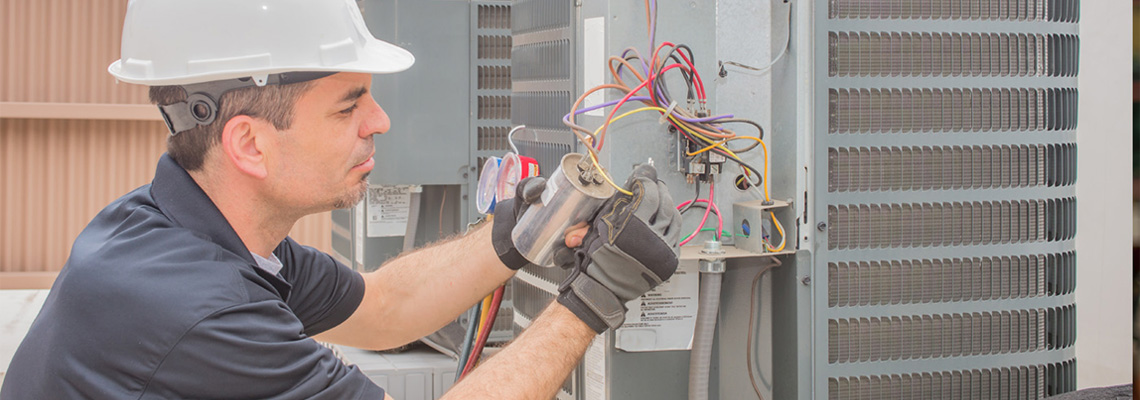
Weatherization has shifted from a niche specialty to a core competency for modern contractors. As codes tighten, energy prices fluctuate, and clients expect healthier, more efficient homes, builders who invest in continuing education for builders stand out. This article explores practical weatherization techniques that reduce callbacks, improve performance, and align with trending certifications—while highlighting where CT construction education, HBRA workshops, and professional development programs fit into your growth plan.
Weatherization isn’t just about adding more insulation. It is a system-level approach that integrates air sealing, moisture management, ventilation, and thermal control. The craft is in the details: selecting the right materials for climate and assembly, sequencing work to minimize rework, and verifying results through testing. Builder skill enhancement in this domain pays off quickly: fewer ice dams, less condensation in wall cavities, tighter blower-door numbers, and happier clients.
Air Sealing: The Foundation of Performance
Identify primary leakage pathways. Rim joists, top plates, attic hatches, mechanical penetrations, and fireplace surrounds often dominate leakage. During construction seminars and site walk-throughs, train crews to spot and flag these locations early. Choose the right sealant for the joint. Use high-quality, flexible sealants or gaskets for long-term durability, not just canned foam everywhere. Spray foam is excellent for irregular gaps; acrylic or silicone sealants suit trim-to-drywall interfaces; EPDM gaskets and tapes excel at sheathing seams. Many builder training CT sessions and HBRA workshops now include hands-on labs comparing adhesion and elasticity across products. Plan continuity. The air barrier must be continuous across the enclosure, including transitions from walls to roofs and walls to foundations. Mock up tricky corners and test with a blower door before insulation goes in. South Windsor courses in envelope detailing often emphasize drawing a red-line air barrier on plans to ensure continuity.
Thermal Control: Insulation Done Right
Target the assembly, not just the R-value. Cavity insulation underperforms when air moves through or around it. Dense-pack cellulose, spray foam, or exterior continuous insulation can reduce thermal bridging. Remodeling certifications increasingly test on selecting assembly types that balance budget, code compliance, and buildability. Address thermal bridges. Common bridges include wall studs, window headers, and slab edges. Continuous exterior insulation is a proven method; advanced framing (24-inch o.c., two-stud corners, insulated headers) helps too. In CT construction education tracks, instructors often demonstrate thermal imaging before and after retrofits to quantify results.
Moisture Management: Keep Assemblies Dry
Control bulk water first. Robust flashing at windows, kick-out flashings at roof-wall intersections, and properly lapped WRBs prevent the largest failures. Professional development programs often include field mockups that teach sequencing and verification. Vapor and drying strategy. Choose whether assemblies dry to the interior or exterior based on climate and cladding. In cold climates, keep low-perm layers to the exterior proportionally warm with adequate exterior insulation. In mixed climates, consider smart vapor retarders that change permeance with humidity. Safety certifications typically cover mold prevention and respiratory protection when working in damp or mold-impacted areas. Ventilate intentionally. Balanced mechanical ventilation with dedicated supply and exhaust maintains indoor air quality as air tightness improves. ERVs or HRVs help meet ASHRAE 62.2 targets. Construction seminars on high-performance HVAC design often include commissioning checklists and static pressure verification.
Windows and Doors: Details That Matter
Select high-performance fenestration. Look for low U-values and appropriate SHGC to the orientation. Proper shimming, air sealing the interior perimeter, and flashing the exterior are essential. HBRA workshops frequently provide hands-on training for pan flashing and head flash details that pass water testing. Manage transitions. The rough opening is a frequent failure point; use sloped sills, corner boots, and tapes compatible with the WRB. Document compatibility with manufacturer literature to avoid warranty conflicts.
Attics and Roofs: Battling Ice Dams and Heat
Vented attics require airtight ceilings. Seal penetrations at light fixtures, bath fans, and top plates before insulating. Use raised-heel trusses to maintain full insulation depth at the eaves. Unvented assemblies need robust control layers. Combine exterior rigid insulation above the roof deck with interior insulation to keep the sheathing warm and dry. Many South Windsor courses demonstrate dew point control calculations for varied roof assemblies. Control heat sources. Ducts in conditioned space or encapsulated attics reduce losses and condensation risk. Continuing education for builders increasingly emphasizes moving mechanicals inside the thermal envelope.
Basements, Crawlspaces, and Slabs
Isolate from soil moisture. Capillary breaks under slabs, interior or exterior foundation insulation, and continuous vapor barriers reduce moisture migration. Rim joist air sealing is critical for comfort and pest control. Conditioned crawlspaces. In many climates, a sealed, insulated, and conditioned crawlspace outperforms vented designs. Builder training CT curricula often include code-compliant detailing for liners, perimeter insulation, and dehumidification.
Verification: Test, Don’t Guess
Blower-door testing guides quality control. Use it at rough-in to find leaks when they’re easiest to fix. Infrared cameras, smoke pencils, and theatrical fog are effective diagnostic tools. Duct leakage testing and flow balancing. Tight ducts and balanced ventilation protect IAQ and energy performance. Documentation. Photo logs, checklists, and test results help close out projects and support remodeling certifications and safety certifications requirements.
Crew Training and Culture
Standardize details. Create a weatherization playbook with photos of acceptable air barrier transitions, flashing steps, and insulation density targets. Cross-train roles. Carpenters should understand WRBs and tapes; HVAC installers should grasp envelope implications. Construction seminars and HBRA workshops provide neutral ground to connect trades and align practices. Incentivize performance. Tie bonuses to blower-door targets or callback reduction. Share thermal images and utility bill data to celebrate wins.
Education Pathways in Connecticut and Beyond
CT construction education offers a rich slate of short-format courses and multi-week professional development programs focused on weatherization, envelope science, and code updates. Look for South Windsor courses that combine classroom instruction with shop-based mockups and on-site diagnostics. HBRA workshops regularly host building science experts, showcasing new products and case studies. These are ideal for quick, targeted builder skill enhancement without losing a full day on the jobsite. Remodeling certifications can validate your mastery of weatherization in retrofit contexts—air sealing older plaster walls, insulating kneewalls, or upgrading windows without damaging historic details. Safety certifications remain foundational. From respirator fit testing when handling insulation to fall protection on roof retrofits, establishing a safety-first mindset makes weatherization work more efficient and compliant. Construction seminars from manufacturers and utilities often come with rebates or tool-lending programs. Take advantage of these as low-cost entries to continuing education for builders.
Practical First Steps for Your Next Project
Start with a blower door at rough-in to set a baseline. Prioritize top-plate seals, rim joists, and mechanical penetrations. Confirm compatibility among WRB, tapes, sealants, and flashing. Use a mockup wall to rehearse sequencing. Document results and feed lessons into your playbook.
Return on Investment Weatherization pays back through fewer callbacks, stronger referrals, and measurable energy savings. Clients appreciate lower bills and greater comfort, inspectors applaud clean test results, and your crew gains repeatable processes. With the right mix of builder training CT options, HBRA workshops, and professional development programs, you can turn weatherization into a signature capability that differentiates your firm.
Questions and Answers
Q1: What’s the single most cost-effective weatherization step on new builds? A1: Comprehensive air sealing before insulation—especially at top plates, rim joists, and penetrations—typically delivers the best performance gains per dollar and reduces later rework.
Q2: How can my team learn the newest techniques quickly? A2: Enroll in CT construction education offerings and HBRA workshops for hands-on labs; supplement with construction seminars from manufacturers. South Windsor courses often blend classroom and field practice for faster adoption.
Q3: Do I need special certifications for weatherization work? A3: While not always required, remodeling certifications and safety certifications enhance credibility, support code compliance, and help win retrofit projects, especially where blower-door verification is specified.
Q4: How do I ensure materials will work together over time? A4: Verify manufacturer compatibility for WRBs, tapes, and sealants; build small mockups; and test with a blower door. Professional development programs often include labs on adhesion and aging tests.
Q5: What metrics should I track to prove results? A5: Track blower-door ACH50, duct leakage, ventilation flow rates, and thermal imaging before/after. Document with photos and keep hbra central ct a project playbook to inform ongoing continuing education for builders and builder skill enhancement.