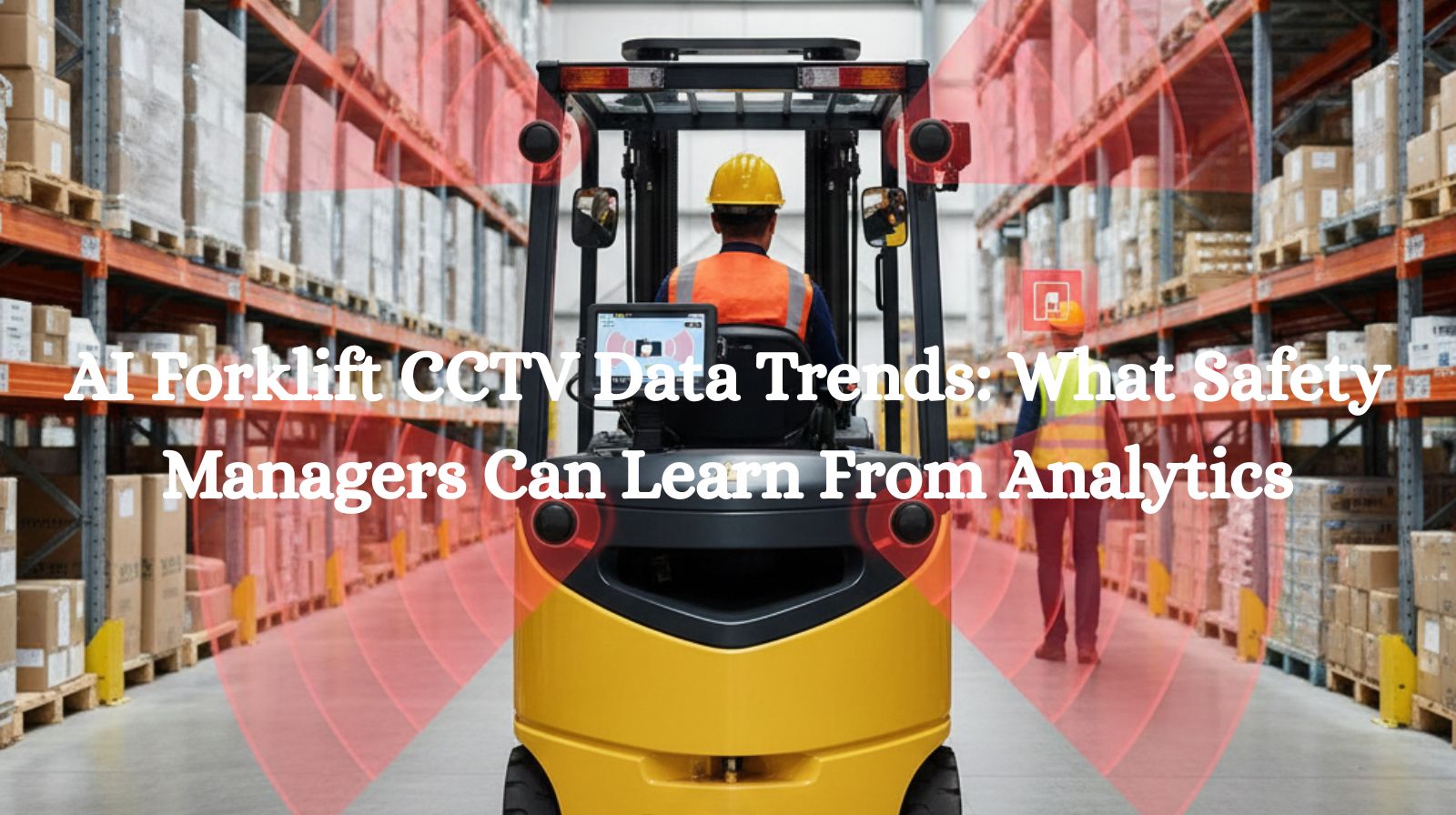
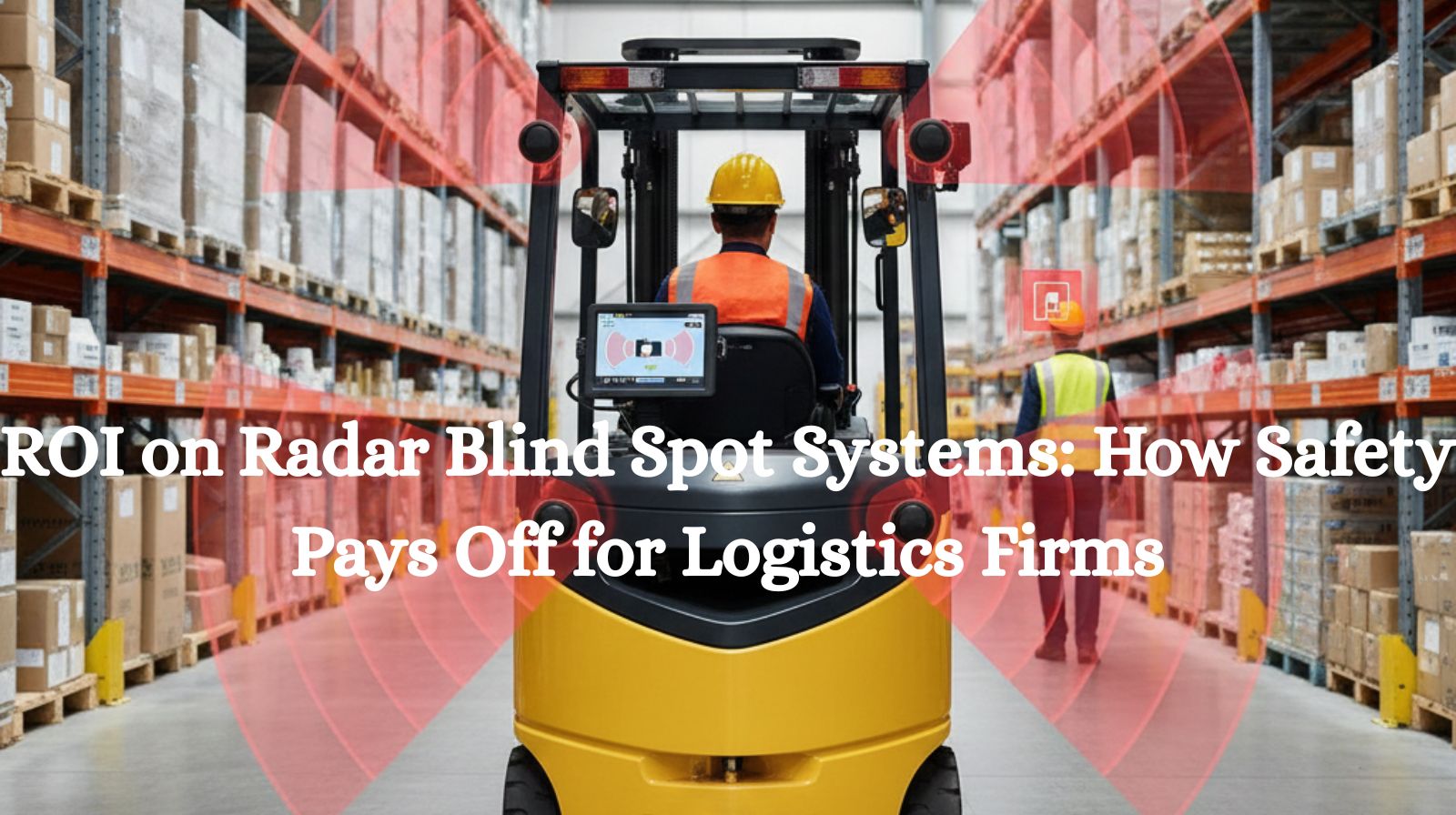
No matter how experienced your forklift operator is, there are angles — physical, geometric blind spots — that no amount of training can eliminate. Tall racking, stacked pallets, sharp turns. The vehicle itself blocks a quarter of the driver's view.
This is why Forklift Radar Blind Spot Detection Systems exist. And increasingly, they're not a luxury — they're what separates a well-run facility from a liability waiting to happen.
FLT
What radar detection actually does
Scans zones the driver physically cannot see
Sends real-time alerts before proximity becomes collision
Works in low-light, dusty and noisy environments
Feeds into camera systems for full situational awareness
A radar system doesn't get tired on a 10-hour shift. It doesn't get distracted. It watches the same blind spot, at the same precision, from the first pallet to the last.
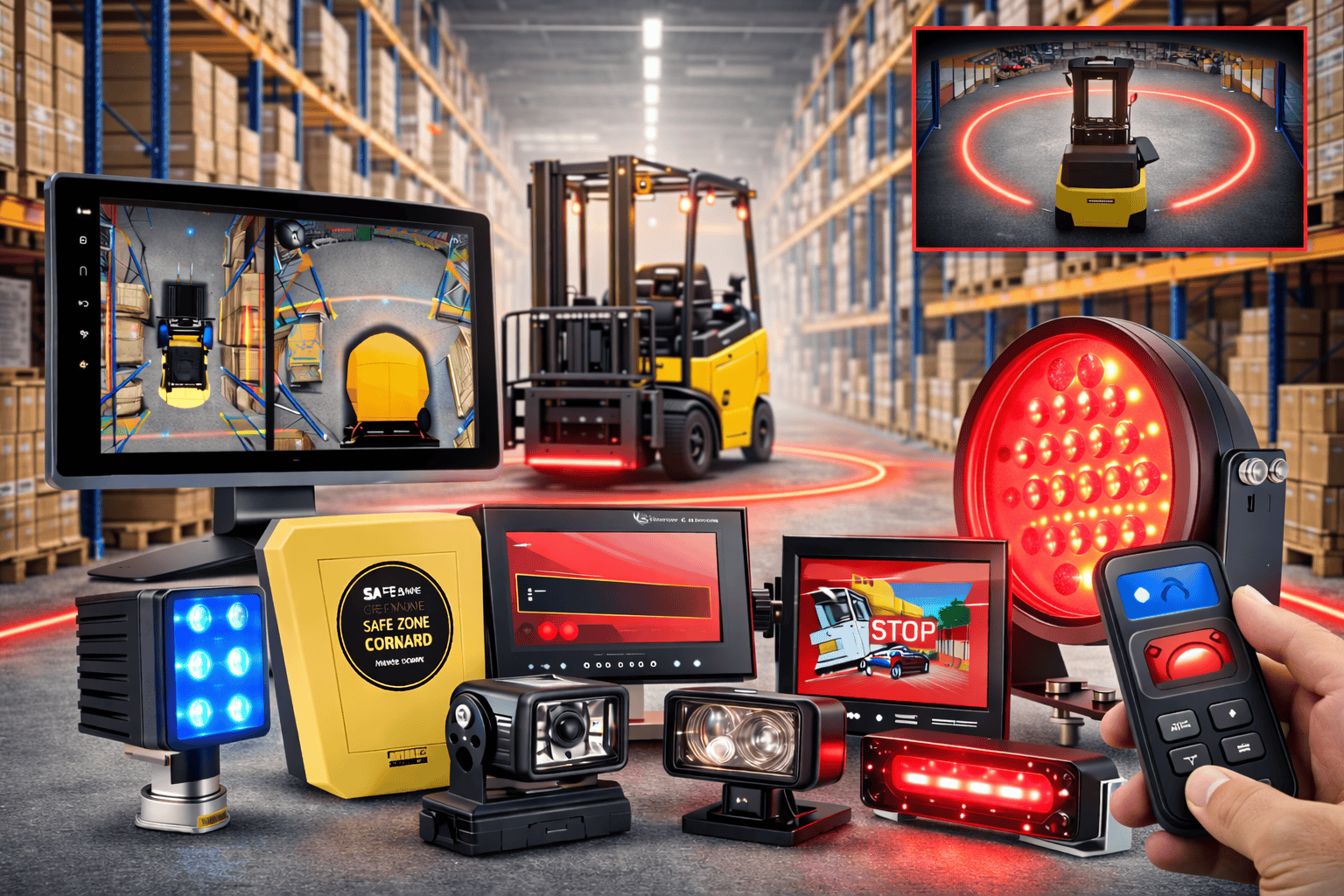
Across warehouses and manufacturing plants in the UAE and Kuwait, SharpEagle integrates forklift radar blind spot detection into a complete alert ecosystem — pairing radar sensors with camera feeds and visual warning systems so that operators, pedestrians and managers all get the information they need, exactly when they need it.
25%
of a forklift's surroundings sit in direct blind zones
< 0.3s
radar alert trigger time on object detection
360°
coverage when radar is paired with camera monitoring
The question isn't whether your facility has blind spots. Every facility does. The real question is whether you've done anything about them.
Blind spots are predictable — which means they're preventable.
SharpEagle deploys forklift radar detection and integrated alert systems across UAE and Kuwait industrial operations. If your facility still relies on mirrors and horn honks, it's time for an upgrade.
Book a Free Blind Spot Audit →
Want the complete breakdown of every technology keeping forklift operations safe? Read our in-depth guide: https://sharpeagle.com/blog/forklift-alert-systems-explained-visual-and-camera-based-safety-solutions