


Scuba diving is one of those rare activities where the gear is not just an accessory — it is the difference between a safe, exhilarating experience and a dangerous one. Whether you are drawn to the vibrant reef systems of south coast diving in Sri Lanka or a cold-water wreck off the coast of Scotland, understanding what you are strapping onto your body before you drop beneath the surface is non-negotiable. This guide breaks down every critical piece of equipment you will need, explains what each one actually does, and helps you understand why quality matters more than you might think.
The Mask: Your Window Into Another World
The humble dive mask often gets overlooked, yet it is one of the most personal pieces of gear a diver can own. A mask creates an air space in front of your eyes so that you can actually focus underwater — without it, everything would be an unfocused blur. The right mask needs to form a watertight seal against your face, and that fit is determined by the shape of your face, not your budget.
When choosing a mask, always perform a dry fit test: place it gently against your face without using the strap and inhale lightly through your nose. If it stays put, it is a good fit. If it falls off, move on. Silicone skirts are the industry standard for a reason — they flex, they last, and they seal far better than older rubber alternatives. A low-volume mask sits close to the face and makes it easier to clear if water gets in, which is a skill you will learn early in any dive course.
Speaking of dive courses, if you are heading to Sri Lanka and looking to get certified, PADI diving in Unawatuna is a popular and well-regarded option. The warm, clear waters of the area make for ideal conditions for both beginner and experienced divers to become familiar with their gear in a genuinely beautiful environment.
The Regulator: The Device That Keeps You Breathing
If the mask is your window, the regulator is your lifeline. This is the piece of equipment that takes high-pressure air from your tank and delivers it to you at a breathable pressure. Regulators are made up of two stages: the first stage attaches to the tank valve and reduces the high pressure to an intermediate level, while the second stage — the part that goes in your mouth — reduces it further to exactly the pressure you need to breathe comfortably at depth.
Good regulators breathe effortlessly. Bad ones make you work for every breath, which causes unnecessary fatigue and uses up your air supply faster. Investing in a quality regulator is one of the wisest decisions a diver can make, and if you are renting gear, always ask about the service history. A regulator should be professionally serviced every year or every 100 dives, whichever comes first.
Most regulators also come with an octopus — a backup second stage, usually bright yellow, which can be given to a dive buddy in an emergency. You will also have a submersible pressure gauge (SPG), which tells you exactly how much air remains in your tank. Some modern dive computers integrate this function wirelessly, but a traditional SPG is a reliable and widely used standard.
The BCD: Controlling Your Position in the Water
The Buoyancy Control Device, or BCD, is the vest-like piece of equipment that allows you to manage your position in the water. By inflating or deflating the air bladder inside the BCD, you can hover neutrally in the water column, rise toward the surface, or descend toward the reef. Getting this right is one of the core skills of diving — a diver who has mastered buoyancy glides effortlessly through the water without disturbing the reef or burning through their air.
BCDs come in several styles. Jacket-style BCDs are the most common for recreational diving and offer a familiar, vest-like feel. Back-inflate BCDs push buoyancy to the back, which some divers prefer for a more streamlined position in the water. Wing BCDs are popular with technical divers and those doing multiple dives with heavy equipment.
The BCD also serves as your equipment harness, holding your tank on your back and providing attachment points for accessories like dive lights, slates, and cutting tools. When trying on a BCD, wear it with the weight you will actually be diving with in mind — a BCD that fits perfectly in a shop can feel very different at 18 metres with a full steel tank on your back.
The Wetsuit or Drysuit: Thermal Protection That Matters
Water conducts heat away from the body approximately 25 times faster than air, which means that without thermal protection, even relatively warm water will leave you cold and exhausted well before your air runs out. The type of exposure protection you need depends entirely on the water temperature where you will be diving.
In warm tropical destinations — such as the waters around Unawatuna in Sri Lanka, where sea temperatures regularly sit between 27°C and 30°C — a 3mm shorty wetsuit or a thin full-length suit is usually sufficient. These thinner suits offer comfort, freedom of movement, and just enough insulation to keep the chill at bay over multiple dives.
In cooler temperate waters, a 5mm or 7mm wetsuit becomes necessary, and these thicker suits require more weight to compensate for the additional buoyancy the neoprene provides. In very cold water — think the North Sea or high-altitude lakes — a drysuit is essential. Drysuits use a waterproof shell and a sealed entry system to keep water out entirely, with air or undergarments providing the insulation instead.
Regardless of water temperature, wetsuits also provide a useful layer of protection against jellyfish stings, abrasions from coral or rock, and the sun when you are at the surface.
The Tank: Carrying Your Air Supply
The scuba tank, sometimes called a cylinder, is the pressurised container that holds the breathing gas you will use underwater. Standard recreational diving tanks are made from aluminium or steel and most commonly hold around 12 litres of air pressurised to 200 or 232 bar. Steel tanks are heavier but offer better negative buoyancy, while aluminium tanks are lighter but become positively buoyant as they empty — something to account for at the end of a dive.
The air inside is almost always simply filtered, compressed atmospheric air — roughly 21% oxygen and 79% nitrogen. More experienced and trained divers may use nitrox, which contains a higher percentage of oxygen, allowing for longer bottom times at certain depths by reducing nitrogen absorption. However, diving with nitrox requires specific training and certification, and not all dive sites offer it.
Tanks must be visually inspected annually and hydrostatically tested every five years to ensure structural integrity. When renting tanks from a dive centre, this is handled for you — but it is worth knowing that responsible operators keep meticulous records of their equipment maintenance.
Dive Computer: Modern Safety Made Wearable
A dive computer is, for most recreational divers, the single most important safety tool they will use on every dive. It tracks your depth and time in real-time and calculates your nitrogen absorption, telling you how long you can safely remain at a given depth before you need to ascend and how long you should wait before diving again. Before dive computers became affordable and widely available, divers used manual decompression tables, which required careful pre-dive calculations. The computer does all of this automatically and adjusts continuously as your profile changes throughout the dive.
Modern dive computers range from basic wrist-mounted units to sophisticated multi-gas computers with digital compasses and wireless tank pressure integration. For recreational divers, a reliable entry-level computer is more than adequate and will likely serve you for years. The key features to look for are a clear display readable in low light, an audible and visual alarm for ascent rate and safety stop reminders, and a logbook function for reviewing your dive profiles afterward.
If you are exploring diving for the first time and looking at Unawatuna diving prices, you will often find that rental gear packages include a basic dive computer, which is a great way to experience the technology before committing to a purchase.
Fins: Propulsion Without Effort
Fins are what transform a clumsy surface swimmer into an efficient, graceful underwater traveller. They extend the surface area of your feet and transfer the power of your leg muscles into forward movement with minimal effort — when used correctly. The classic flutter kick, the frog kick favoured by cave and technical divers, and the modified flutter kick used in tight spaces all rely on the fin to translate leg movement into thrust.
Full-foot fins fit like a shoe and are ideal for warm-water diving where no boots are needed. Open-heel fins have an adjustable strap at the back and are worn with dive boots, making them suitable for cooler water and rocky entries. Blade fins offer a classic, straightforward design that works well for most recreational diving conditions, while split fins divide the blade into two sections, reducing resistance on the upstroke. The debate between blade and split fins is one of diving's great ongoing conversations, and the honest answer is that both work — it comes down to personal preference, kicking style, and the conditions you dive in most often.
The Importance of Reputable Training and Centres
Gear is only part of the equation. How you use that gear, and who teaches you to use it, matters enormously. Learning from qualified instructors through internationally recognised programmes gives you the skills and confidence to dive safely in any environment. If you are in Sri Lanka, seeking out one of the reputable PADI diving centres in Unawatuna is a smart first step — these centres maintain internationally certified instructors, well-maintained rental equipment, and structured programmes that take you from complete beginner to confident open-water diver through clearly defined stages.
The best dive centres will also provide comprehensive equipment briefings, help you select the right gear from their rental inventory, and pair you with guides who know the local dive sites intimately. This local knowledge — knowing where the current runs, when visibility is best, and where the most interesting marine life can be found — is itself a form of safety equipment that no amount of personal gear can replace.
Putting It All Together
A complete set of scuba diving gear is, at its core, a life-support system. Each component serves a precise function, and each piece interacts with the others to create a system that allows human beings to explore an environment they were never built for. Understanding what you are wearing, why it fits the way it does, and how to use it correctly transforms gear from an intimidating collection of equipment into a set of tools you trust instinctively.
Whether you are planning your first open-water course or preparing for your hundredth dive, taking the time to understand your equipment never stops being worthwhile. The ocean rewards the prepared and the curious in equal measure — and the right gear, properly understood, is what makes the exploration possible.
south coast diving sri lanka
https://divinguru.com/
PADI diving in Unawatuna
unawatuna diving prices
PADI diving centres in unawatuna
https://divinguru.com/unawatuna/


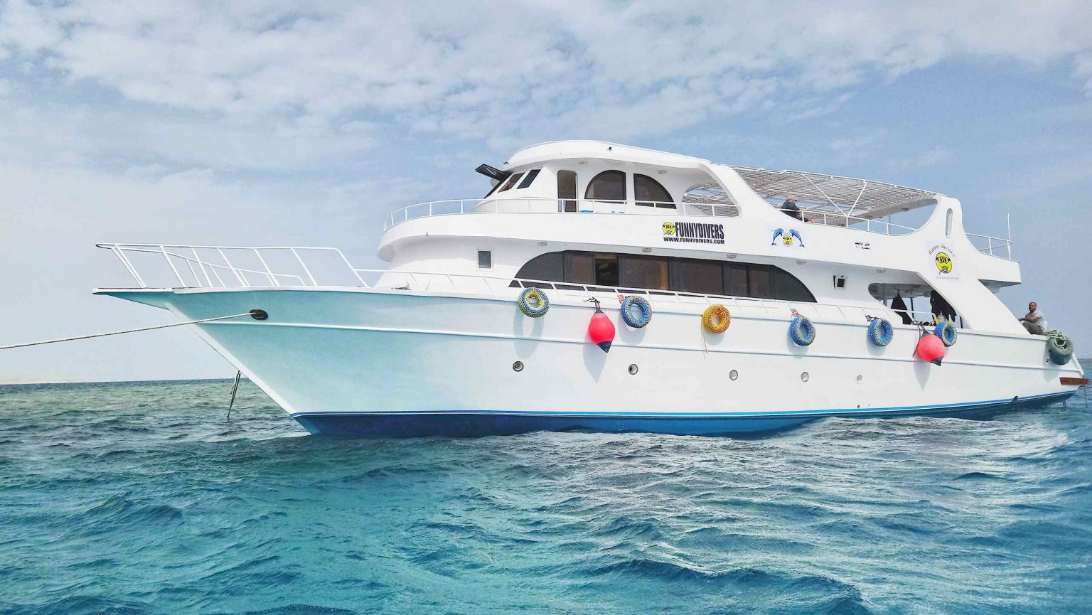
Do you want to learn Open Water Course In Hurghada?
In this case, Funny Divers brings you the ultimate range of PADI Diving and SSI diving.
Whatsapp us at +2) 0122 419 3164.