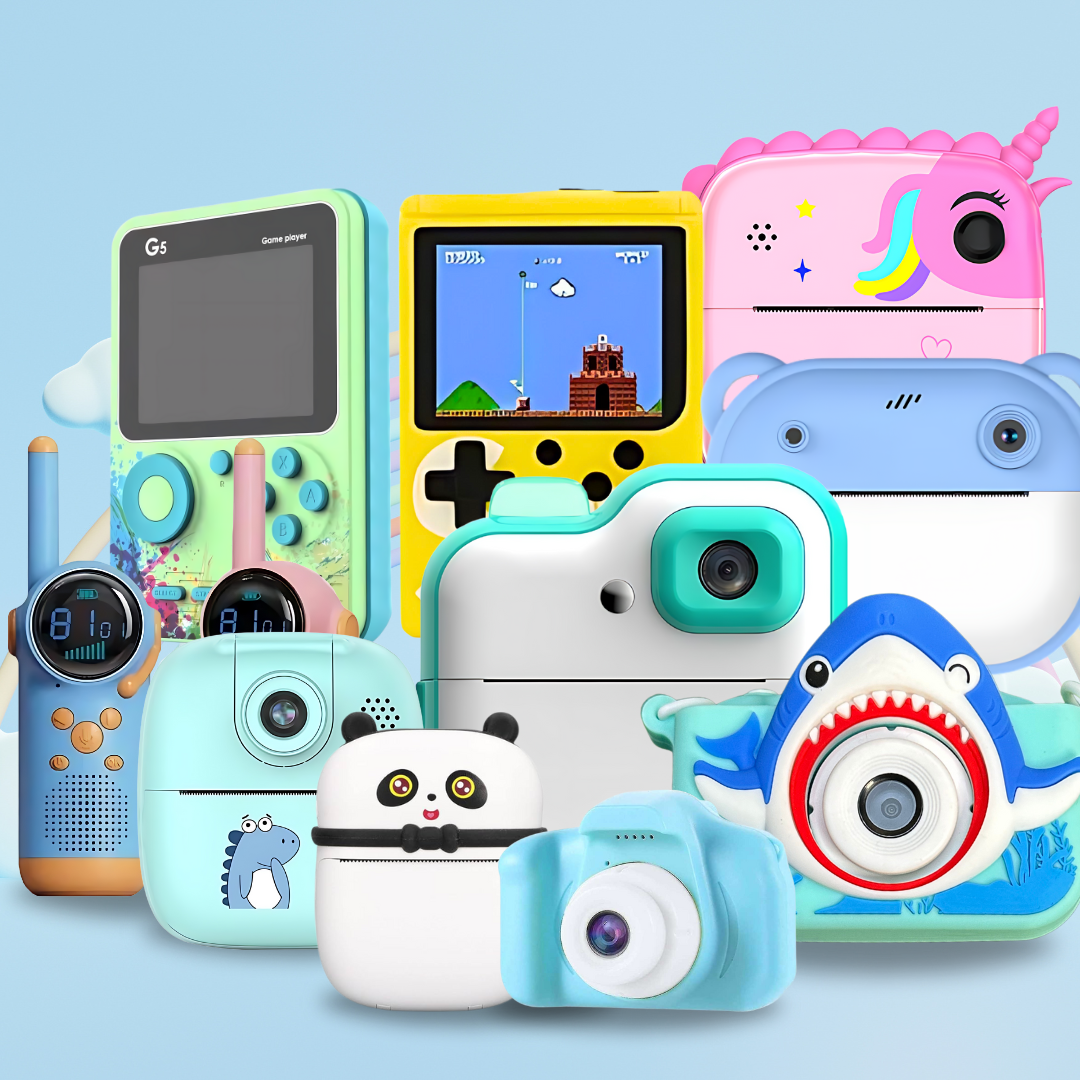
In today's world, if you walk into a typical child's room, you'll probably see a war zone with stuffed animals falling off of shelves, figurines all over the floor, plenty of incomplete board games, and several electronic devices trying to hold your child's diminishing attention. It may appear to be a lot of stuff, but for many children, it is simply too much.
To help parents with this issue, the 20 Toy Rule was created. Using a simple, research-based approach to parenting, the 20 Toy Rule allows parents to limit the number of toys their child sees at any given moment to a maximum of twenty. This eliminates frantic clean-ups, decision fatigue, and the ability to play in a focused and enjoyable manner that will enhance brain development, emotions, and creativity.
This guide will cover everything you need to know about the 20 Toy Rule, including what the rule is, why developmentally focused child development professionals support the rule, and, most importantly, how to select the 20 toys your child will receive the greatest level of developmental benefit from. Spoiler: every list should include sensory toys for kids and purposeful fidget toys.
What Is the 20 Toy Rule?
The 20 Toy Rule allows you to choose 20 toys (or thereabouts) to put out for your child to play with at any given time; everything else is either taken out of rotation and stored, donated, or simply did not make it into the house.
This concept has received a lot of press attention based on research from the University of Toledo that found toddlers who played in a room with fewer toys had much longer attention spans, engaged in more meaningful imaginative play, and were more focused than those who played in a room filled with many toys. Too many choices do not lead to better players; rather they lead to distracted players.
The basic premise is: fewer, high quality, and developmentally appropriate toys are always going to beat out a whole room of toys that have been forgotten.
Why the 20 Toy Rule Works - The Science Behind It
1. It Reduces Decision Fatigue
Children can suffer from decision fatigue, especially when presented with multiple choices at one time. This can create a low level of overwhelm for them and inhibit their ability to engage in meaningful play. With fewer toys available, children's ability to select an item, engage in meaningful play and stay fully engaged in that activity will increase.
2. It Encourages Creative, Open-Ended Play
If children have a limited number of toys available to them, they will use the toys more creatively. For instance, a sensory ball could become a planet; a tactile mat could become a treasure map; a simple set of building blocks could become a rocket ship. Imagination plays a significant role in filling in the gaps left behind from having too many toys.
3. It Helps Children to Self-Regulate
Clutter has been shown to increase the stress level of children. A more organized, intentional play environment will allow children to self-regulate themselves better; thus allowing children to transition from activity to activity more easily and have fewer outbursts of frustration. This transition and ability to self-regulate are extremely important for children with Sensory Processing Disorders, ADHD or on the Autism Spectrum.
4. Fosters Independent Play
Children are self-entertaining since there are fewer toys taking their attention. A child's ability to play alone is vital to develop resilience, learn how to problem-solve and find intrinsic motivation in that independent play experience.
5. Cleaning Up Is Easier to Accomplish
The primary side benefit from a reduced number of toys is how quickly and easily children can tidy up with fewer toys available. Children can more easily engage in a cleaning process when they do not view the task as impossible.
What Counts as One of Your 20 Toys?
When considering what to declutter from your home, you may want to know what goes back into your home as part of your 20-Toy Rule family, which grows up with a child and serves more than one purpose while providing the true developmental value of toys. This is a list of toy categories that can make, or keep, a home with 20 toys:
- Open-ended construction toys (e.g., blocks, magnetic tiles, building sets)
- Sensory toys (They help develop your child's sense of touch, proprioception and body awareness)
- Fine motor toys (Will, in turn, develop your child's hand strength and dexterity)
- Fidget toys (Will help your child focus and self-regulate)
- Movement and balance tools (e.g., balance boards, coordination mats)
- Imaginative play props (A single set of action figures or a single art supply kit)
- Calming tools (Weighted items, tactile cushions, and the like.)
- One (1) age and developmentally appropriate board game or puzzle
The objective here is always quality over quantity. An example is that one quality sensory toy for children has more developmental benefits than ten plastic novelty items found in a party bag.
20 Types of Purposeful Toys Worth Including (With Developmental Benefits)
Here is a helpful instructional guide for creating 20 strong toys for your children when you start from nothing or when changing how your child's toys are put together. All of the suggestions provided above are based on sensory toys and therapist-quality sensory tools at Abley's India (ableys.in). Abley's India is a top rated resource for toys for sensory development. Please check them out today if you wish to buy any toys for your children.
Tactile Toys For Children
1. Stretchy Sensory Ball - A squishy, multi-textured ball that provides gentle input tactilely and strengthens fine motor skills in hands. Also perfect for children who crave sensory input or need something to help them relax during transitions.
2. Spiky Squeeze Balls - The nodular texture of the surface provides sensory stimulation through touch and the action of squeezing the ball gives your child fine motor skill development. Frequently recommended by Occupational Therapists as a desktop sensory tool for children with ADHD.
3. Liquid Motion Sensory Mat - A visually stimulating play mat filled with a slow-moving liquid inside. Provides calming and focusing through visual tracking, great choice as a quiet-time activity.
4. Sensory Floor Mat Set - Pack of 4 round mats with different textured surfaces provide an exceptional amount of proprioceptive input while children move (walk, jump or stand) on them. They are great for using in the home or classroom as a sensory circuit and also help to keep children moved and active during educational tasks.
Fidget Toys for Focus and Self-Regulation
5. Fidget Pad/Sensory Fidget Tool - A fidget pad/sensory fidget tool is an excellent tool for fidgeting. Many features are available to keep restless hands busy and help the brain stay focused on listening and/or learning. This would be a perfect classroom companion.
6. Chewelry/Sensory Chew Pendant - For those kids who chew on the clothes they wear, the pencils they use, or their fingers: a sensory chew tool provides an oral sensory chewing source for comfort with the pressure desired in an acceptable hygienic manner. This type of product is especially beneficial to children with autism as well as children with sensory processing disorder.
7. Oral Motor Toolkit - The Oral Motor Tool Kits are tools designed by therapists to assist with tongue position, oral motor strength and developing speech. These types of products are widely utilized in both occupational therapy and speech therapy environments.
Weighted & Compression Tools
8. Weighted Compression Vest - Offers deep pressure proprioceptive input, assisting children who experience sensory processing issues, ADHD, or anxiety to self-regulate when participating in high demand spaces and activities. Dubbed by parents as “the hug vest.”
9. Weighted Blanket for Children - A therapeutic blanket that simulates the feel of a firm hug, providing a calming effect. Assists with falling asleep, reduces anxiety during bedtime, and will provide the user with an increased sense of security.
10. Vibrating Minky Sensory Pillow - A combination of Minky fabric softness with a light-drumming vibrating sensation, helping calm children emotionally when going through either overstimulation or anxiety. Good for use in “quiet corners” and for calming and soothing.
Movement & Coordination Toys
11. Balance Board - Challenges the vestibular system and builds core strength. Children who struggle with coordination or body awareness benefit enormously from regular balance board play.
12. Indoor Sensory Swing - Rhythmic swinging movement is one of the most powerful ways to calm an overactive nervous system. A sensory swing is a must-have for movement-seeking children.
13. Tactile Tunnel or Crawling Toy - Crawling through textured tunnels builds shoulder girdle strength, proprioceptive awareness, and bilateral coordination.
Fine Motor Toys
14. Simple yet effective stacking and nesting sets develop children's spatial skills, hand-eye coordination and patience from early infancy through adulthood.
15. Threading activities (with lacing boards and beads) refine pre-writing skills by developing pincer grip, bilateral coordination and visual-motor integration.
16. Playdough/sensory putty provide significant therapeutic benefits. Kneading and shaping develop intrinsic hand strength while providing positive tactile stimulation.
Calming & Emotional Regulation Toys
17. Glitter Bottle / Calm Down Jar - This calming tool is mesmerizing for children to shake up, then watch as the glitter settles. Used during therapy sessions to help with impulse control and deep breathing.
18. Emotion Card Set or Feelings Puzzle - Aids in developing the skills to identify, label, and express emotions; a necessary skill for social and emotional learning.
Creative & Open-Ended Play
19. Open Building Blocks - These can include wood unit blocks, magnetic tiles, and interlocking cubes, which all allow children to create without limits while developing math skills and spatial awareness.
20. Portable Art Supplies: The art materials included in this package represent one toy (tin, paper, scissors, etc.) and can aid in developing gross motor skills, motor skills, and self-regulation at the same time.
Conclusion
Don't view the 20 Toy Rule as an exercise in deprivation. Rather, use it to curate toys for your children much like how Marie Kondo encourages us to keep only things that give you joy, help you acquire skills, and have a valid use in helping your child grow & develop.
Combine the 20 Toy Rule with curated, developmentally appropriate materials (sensory toys, therapeutic fidget toys, weighted calming items, and open-ended building materials) to create a play area that is more than just neat; it will also be significantly more conducive to the way young minds develop.
So when someone gives your child a bag of plastic party favours, kindly say thank you, smile at them but then put the toys in your donating stack - later, your child’s toy box, your child’s development, and most likely your living room floor will thank you. https://www.ableys.in/

fidgetingFidgets that are fun, fashionable, and functional.
Check out our great selection of sensory toys and fidget toys for kids and adults.
Having trouble sitting still or fidgeting too much?
We have you covered with a big selection of stim toys and always free shipping worldwide.
Fidgeting with a toy can help!