


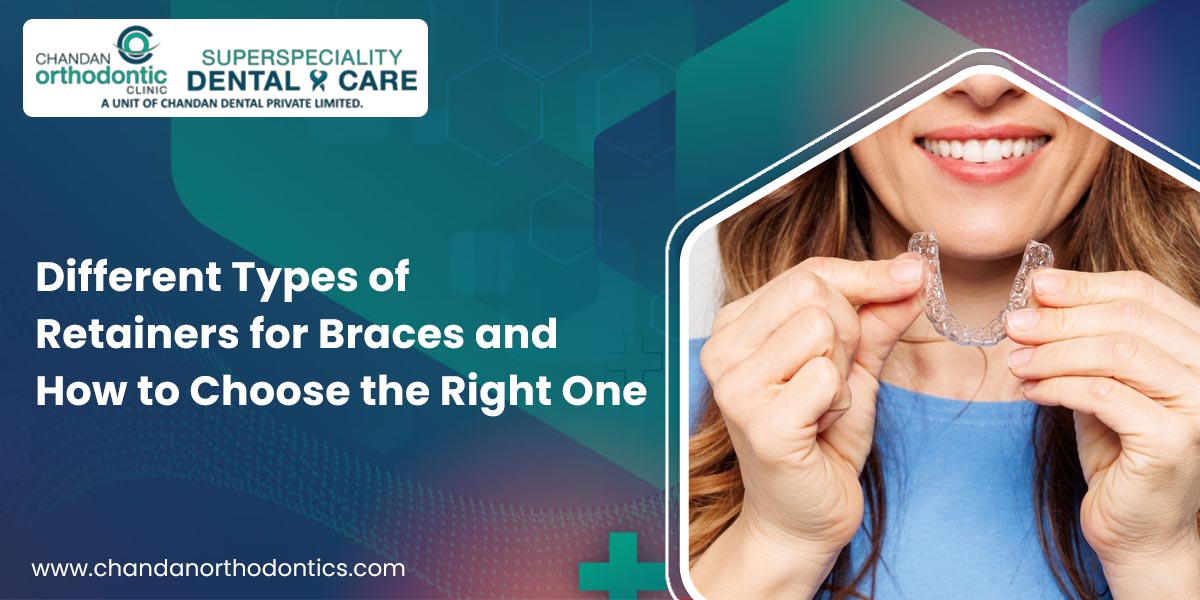
When your braces come off, it feels like the end of a long journey toward a perfect smile. However, what many patients don’t realize is that this is just the beginning of the retention phase—an equally important step in maintaining those beautifully aligned teeth. At Chandan Orthodontics, we emphasize the importance of retainers for teeth to ensure your smile stays straight and healthy for years to come.
In this blog, we’ll explore the different types of retainers for braces, their benefits, and how to choose the right one based on your needs.
Why Are Retainers Important After Braces?
After orthodontic treatment, your teeth have a natural tendency to shift back to their original positions. This process, known as relapse, can undo months or even years of hard work. That’s why dental retainers after braces are essential—they help stabilize your teeth while the surrounding bone and tissues adjust to their new alignment.
Retainers for teeth are not just an optional accessory; they are a critical part of your orthodontic treatment. Whether you’ve corrected crowding, gaps, or alignment issues, wearing a retainer ensures your smile remains intact.
Types of Retainers for Braces:
There are several types of retainers available, and each serves a specific purpose. Understanding the differences can help you make an informed decision.
1. Hawley Retainers (Removable)
Hawley retainers are one of the most traditional and widely used options. They consist of a metal wire that sits across the front of your teeth and is attached to an acrylic base that rests on the roof of your mouth or along the lower jaw.
Advantages:
● Durable and long-lasting
● Adjustable for minor tooth movements
● Easy to clean
Best for:
Patients who need slight adjustments post-treatment or prefer a long-lasting solution.
These retainers are often recommended as retainers for braces when flexibility and durability are priorities.
2. Clear Plastic Retainers (Essix Retainers):
Clear retainers are made from transparent plastic and fit snugly over your teeth, similar to clear aligners. They are popular because of their nearly invisible appearance.
Advantages:
● Aesthetic and discreet
● Comfortable to wear
● Easy to remove
Best for:
Patients who want an invisible option for maintaining their smile.
Clear retainers are especially effective as dental retainers after braces for maintaining alignment without drawing attention.
3. Fixed (Permanent) Retainers:
Fixed retainers consist of a thin wire that is bonded to the back of your teeth, usually the lower front teeth. These are not removable and provide continuous support.
Advantages:
● Constant retention without relying on patient compliance
● Ideal for preventing relapse in high-risk cases
● Invisible from the front
Best for:
Patients prone to teeth shifting, especially those needing a retainer for bottom teeth.
This type of retainer is commonly recommended when maintaining alignment in the lower arch is critical.
4. Vivera Retainers:
Vivera retainers are a premium version of clear retainers, made using advanced technology for enhanced durability and precision.
Advantages:
● Stronger than standard clear retainers
● Custom-made for a precise fit
● Resistant to wear and tear
Best for:
Patients looking for a high-quality, long-term solution.
They are an excellent choice among retainers for teeth when durability and aesthetics are equally important.
Choosing the Right Retainer:
Selecting the right retainer depends on several factors, including your orthodontic history, lifestyle, and personal preferences. Here are some key considerations:
1. Your Orthodontic Needs:
If you had severe crowding or spacing issues, your orthodontist may recommend a fixed retainer for better stability. For example, if you had gaps corrected, a retainer for teeth spacing is crucial to prevent those gaps from reopening.
2. Comfort and Convenience:
Removable retainers offer flexibility—you can take them out while eating or brushing. However, they require discipline. If you tend to forget things, a fixed retainer might be a better option.
3. Aesthetic Preferences:
If appearance matters to you, clear retainers are an excellent choice. They allow you to maintain your smile discreetly without visible wires.
4. Maintenance and Hygiene:
Removable retainers are easier to clean, but they can be lost or damaged. Fixed retainers require careful cleaning around the wire to prevent plaque buildup.
5. Cost Considerations:
Different retainers come with varying costs. While traditional Hawley retainers are often more affordable, premium options like Vivera retainers may cost more but offer added durability.
How Long Should You Wear Retainers?
The duration of retainer use varies from person to person. Initially, you may need to wear your retainer full-time, transitioning to nighttime wear over time. However, many orthodontists recommend lifelong use—especially at night—to ensure lasting results.
Remember, your teeth can shift at any age, so consistent use of retainers for teeth is essential.
Tips for Taking Care of Your Retainer:
Proper care can extend the life of your retainer and maintain oral hygiene:
● Clean your retainer daily using a soft brush and mild soap
● Avoid exposing it to heat, which can warp the material
● Store it in a protective case when not in use
● Keep it away from pets—they love to chew on retainers!
● Visit your orthodontist regularly for check-ups
Common Mistakes to Avoid:
● Skipping retainer wear: Even a few days without your retainer can lead to noticeable shifting.
● Improper cleaning: Using harsh chemicals can damage the retainer
● Losing your retainer: Always store it properly when not in use
Final Thoughts:
Choosing the right retainers for braces is a crucial step in preserving your smile after orthodontic treatment. Whether you opt for removable or fixed options, the key is consistency and proper care.
At Chandan Orthodontics, we guide our patients in selecting the most suitable dental retainers after braces based on their unique needs. From maintaining alignment to preventing relapse, the right retainer ensures your smile remains as perfect as the day your braces came off.
If you’re unsure which retainer is best for you—whether it’s a retainer for bottom teeth or a solution for maintaining gaps like a retainer for teeth spacing—consult with your orthodontist to make an informed decision.
Your smile is an investment—protect it with the right retainer.
For More Information: https://www.chandanorthodontics.com/retainers-for-braces-types-and-selection-guide/
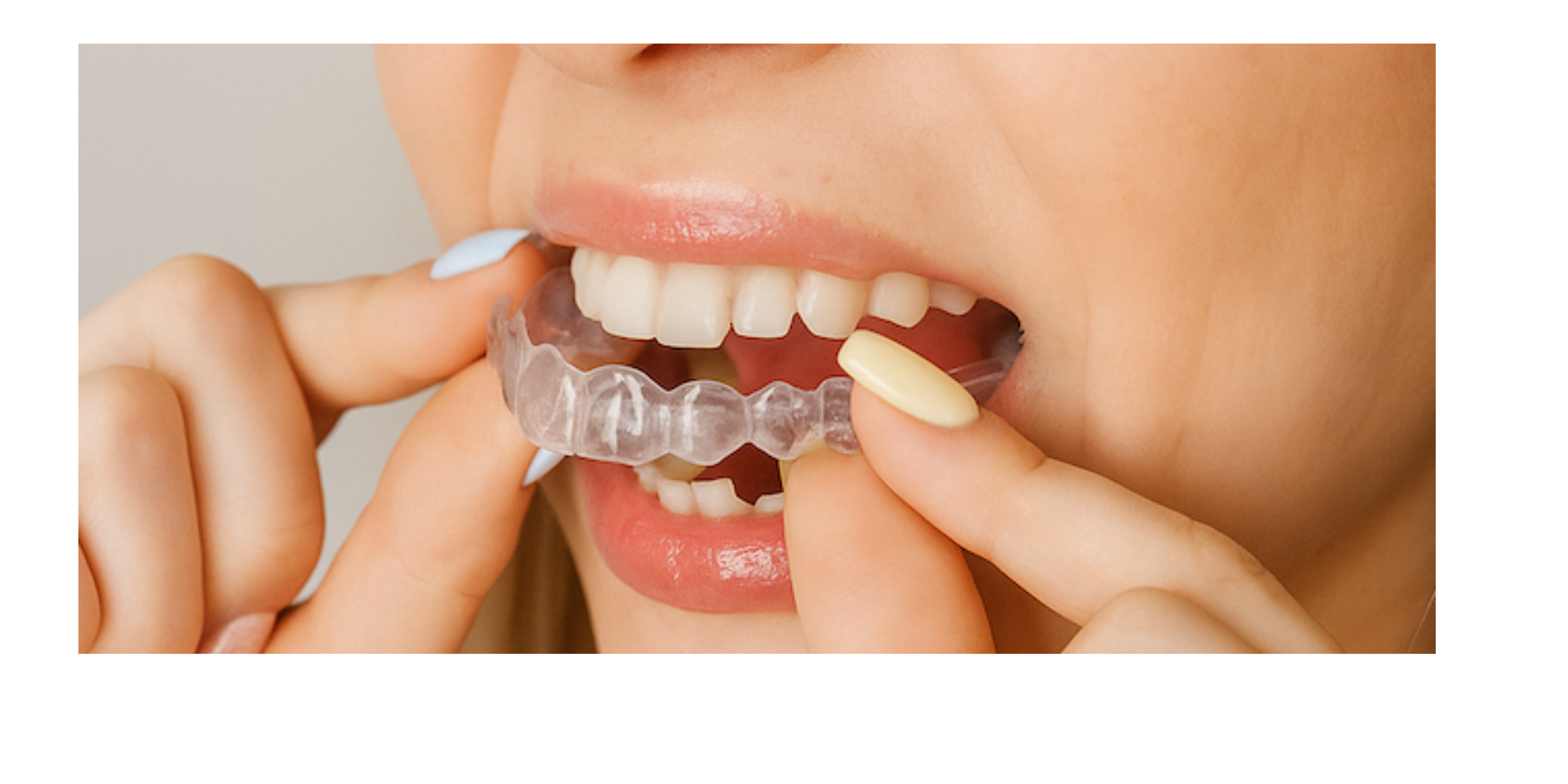


Order your Invisible Teeth Braces to ensure proper fit.
The benefit of teeth retainers is that they are durable and very effective.