

Most homeowners don’t think about reinforcement until something feels wrong: bounce near the stairs, railing posts that move when you lean, or a soft spot that appears after a wet winter. The instinct is to replace everything. But in many cases the smarter move is to strengthen what’s already there, as long as the core structure is still doing its job.
When people talk with deck contractors in Vancouver, WA, the first step is separating “tired” from “failed.” Surface boards can cup, stain, or splinter while the joists underneath remain solid. Railings often feel loose because fasteners backed out at posts and stair transitions, not because the frame is rotten. Even footings that are out of level can sometimes be stabilized without a full tear-down, if loads and connections are corrected instead of ignored.
Reinforcement works best when the problems are localized and the moisture story is understood. If water has been pooling at one corner, you can often fix drainage, restore airflow, and replace only the affected members. Adding blocking between joists, upgrading hangers, and improving the ledger connection can remove bounce and extend the life of the deck by years. The key is confirming that rot hasn’t migrated into hidden joints and that metal connectors haven’t been losing capacity from corrosion.
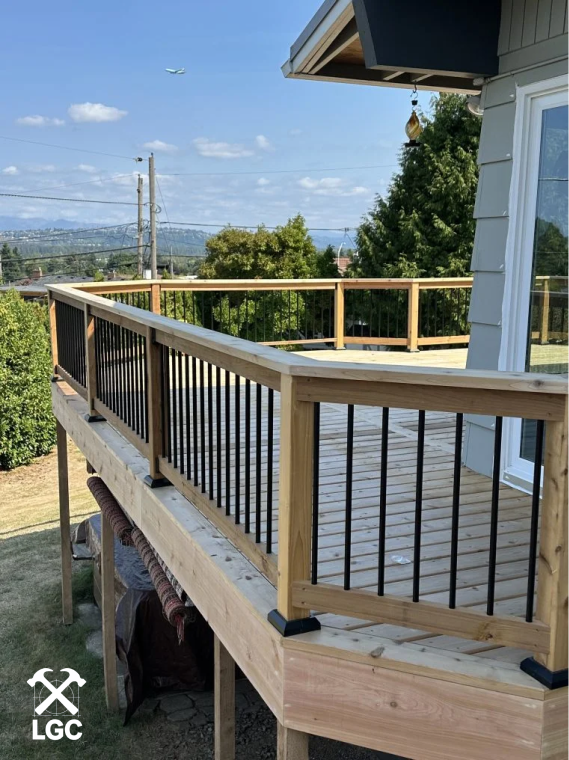
There are also cost and disruption reasons people choose reinforcing. Keeping the framing can reduce debris, shorten the time the yard is torn up, and preserve stairs or landings that meet code and feel comfortable. But “reinforce” shouldn’t mean adding random screws. It usually means making load paths clearer: sistering a compromised joist, adding a beam where spans are too long, replacing post bases that trap water, and tightening the rail system so movement is eliminated at the posts, not just hidden with new caps. A useful rule is to look for patterns—if the same area stays damp, stains quickly, or feels spongy every season, reinforcement has to include the cause of wetting, not only the symptom you can see.
Replacement becomes the better answer when the issues are systemic: repeated wetting at the ledger, widespread soft framing, undersized spans, or footings that never matched the soil. In those cases, reinforcing can turn into patchwork, and patchwork usually comes with a second round of repairs sooner than anyone wants. A good evaluation also considers how you plan to use the deck now. If you’re adding a hot tub, a roof, or heavier traffic patterns, reinforcement might need to be so extensive that rebuilding is simply cleaner.
The calmest projects come from treating the decision like a diagnosis, not a guess. Ask what is structurally sound, what is merely worn, and what needs a new design to manage water and movement better. Experienced deck construction contractors should be able to explain the “why” behind either option, and to show which details will change so the same problems don’t return.