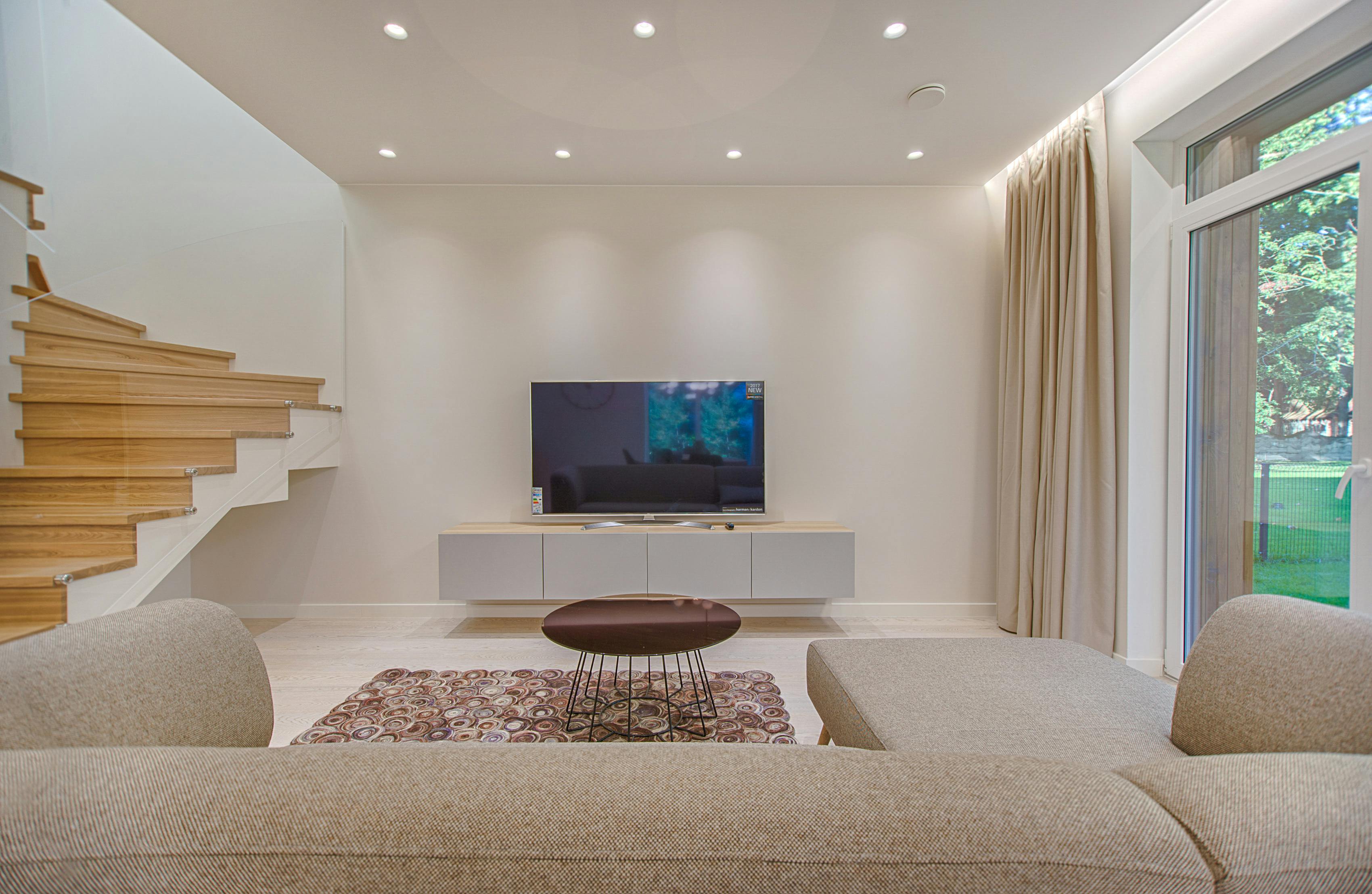
Most of us have walked into a beautifully furnished room and felt that quiet sense of awe — everything just works. The furniture fits, the colours breathe, the lighting feels warm, and somehow nothing feels out of place. Then we go home, look at our own living room, and wonder how on earth professionals pull it off. The truth is, interior designers are not operating on some mystical plane of creativity. They follow principles — learnable, practical ones — and once you understand them, you will start seeing your space completely differently.
Whether you are setting up a brand new home in Sri Lanka and researching everything from sofa sets in Sri Lanka to storage solutions, or simply trying to breathe new life into a tired room, this guide will walk you through how the professionals think and work, so you can furnish your home with intention, confidence, and style.
Start With a Clear Vision, Not a Shopping List
The single biggest mistake most people make when furnishing a space is heading straight to the furniture store without a plan. Interior designers never do this. Before a single piece of furniture is purchased, they spend time understanding the purpose of the room, the lifestyle of the people using it, and the feeling they want to create.
Ask yourself: What happens in this room? Is it a place for family movie nights, quiet reading, entertaining guests, or all three? A room that tries to do everything without any planning tends to feel chaotic. But a room designed around a clear intention — even if it serves multiple functions — always feels cohesive.
Once you know the purpose, build a mood board. It does not need to be fancy. Collect images from design magazines or Pinterest that capture the feeling you are after. Notice the common threads — are you drawn to warm earth tones or cool, minimal palettes? Do the rooms you love feel airy and open, or cosy and layered? These patterns tell you something important about your design instincts, and they become your compass when making decisions later.
Understand the Floor Plan Before You Buy Anything
Professional designers are obsessed with scale and proportion, and for good reason. A sofa that looks stunning in a showroom can swallow a small living room whole, making the space feel cramped and uncomfortable. Equally, a delicate console table in a large hallway can look lost and underwhelming.
Before buying furniture, measure your room carefully. Draw a rough floor plan — even just on graph paper — and mark doorways, windows, and any architectural features like columns or alcoves. Then note the dimensions of any furniture you are considering. Many designers use the rule of thumb that the main seating area rug should be large enough that at least the front legs of all major furniture pieces sit on it. It is a small trick, but it instantly makes a room feel intentional and pulled together.
Think about traffic flow too. There should always be enough space to move comfortably through a room — typically at least 90 centimetres between major pieces. Furniture that blocks natural pathways makes even a beautifully styled room feel awkward to live in.
Build Around a Focal Point
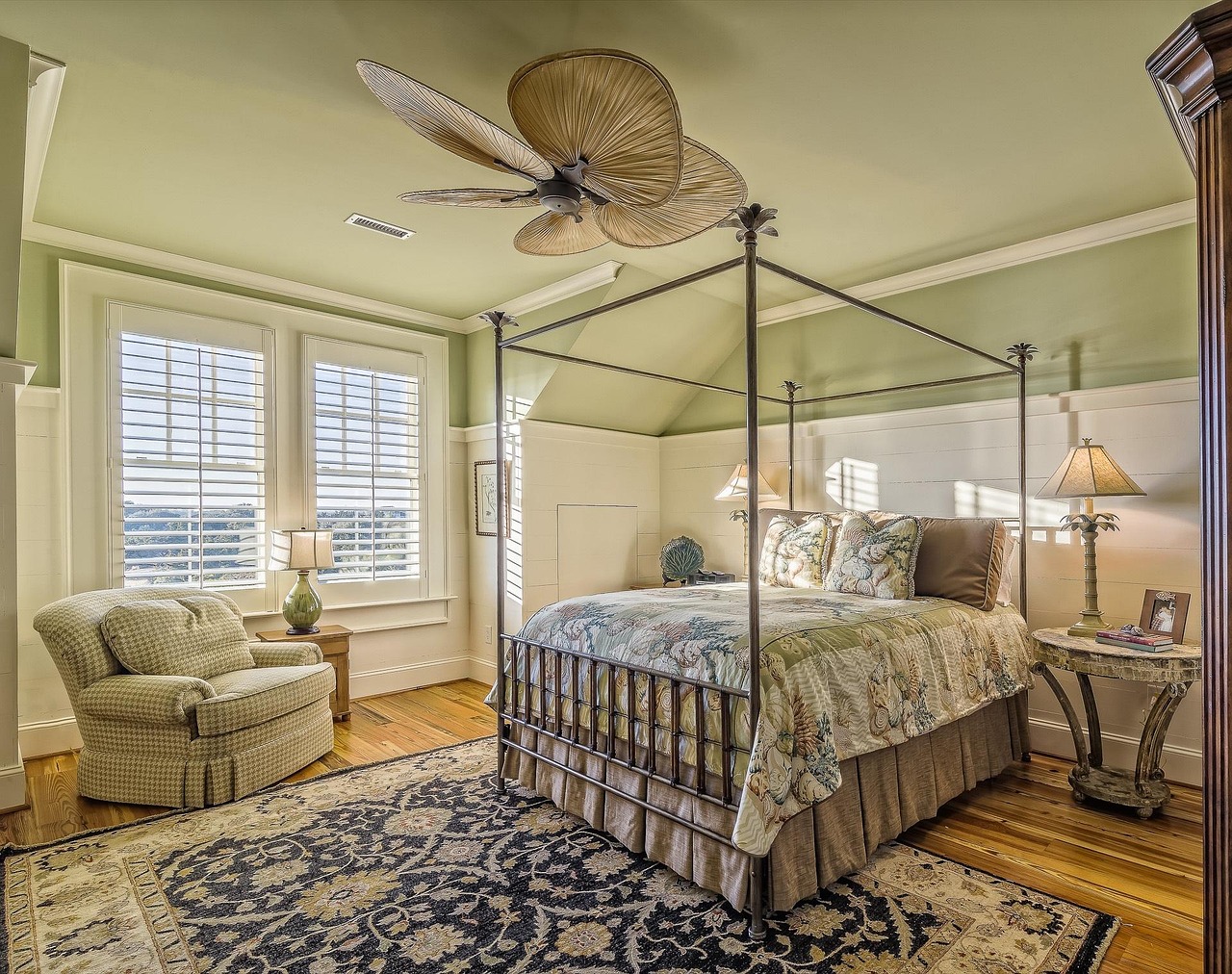
Every well-designed room has a focal point — one element that draws the eye first and anchors the entire space. In a living room, it might be a fireplace, a large window with a view, or a statement piece of art. In a bedroom, it is almost always the bed. In a home office, it could be a dramatic shelving unit or a sleek desk positioned to catch natural light.
Once you identify the focal point, arrange your furniture to complement and frame it, rather than competing with it. This is why interior designers always say: don't push all your furniture against the walls. It is a natural instinct — we think it creates more space — but it actually makes rooms feel hollow and disconnected. Pulling furniture slightly inward and grouping it around a focal point creates intimacy and makes a space feel lived-in and warm.
Choose Quality Over Quantity
Designers would rather see a room with three beautifully chosen pieces than ten mediocre ones. This does not mean you need to spend a fortune — it means being selective. Invest where it matters most: the pieces you use every day and the ones that define the room's character.
In a living room, the sofa is king. It takes up the most visual real estate and absorbs the most daily wear. A well-made sofa with solid construction and quality upholstery will serve you beautifully for years. In Sri Lanka's growing furniture market, there are now excellent local and imported options across a range of price points, making it easier to find something that balances quality and affordability.
The same logic applies to workspaces. If you are furnishing a home office or a commercial space, investing in quality office furniture in Sri Lanka pays dividends in comfort and productivity. Ergonomic chairs, properly sized desks, and smart storage solutions are not luxuries — they are tools that affect how well you work every day.
Layer Your Lighting
Lighting is the element most often overlooked by non-designers, and it makes an enormous difference. A room lit by a single overhead light will always feel flat and institutional, no matter how good the furniture is. Designers think in layers: ambient lighting (the overall light level), task lighting (focused light for specific activities like reading or cooking), and accent lighting (used to highlight features, create mood, or add drama).
In a living room, this might mean combining a floor lamp in a corner, table lamps on side tables, and perhaps some LED strip lighting behind a TV unit or along a bookshelf. In a kitchen or pantry, under-cabinet lighting transforms the functionality and feel of the space. Speaking of which, modern pantry cupboard designs in Sri Lanka have evolved significantly — many now incorporate integrated LED lighting, soft-close fittings, and modular storage systems that blend beautifully with contemporary interiors while maximising practical storage.
Never underestimate the warmth that a simple lamp in the right corner can add to a room. It takes a space from "functional" to "inviting" almost instantly.
Embrace Texture and Layering
A room where every surface has the same texture feels sterile, even if the colours are perfect. Designers layer textures intentionally — rough linen against smooth leather, a jute rug under a velvet sofa, reclaimed wood beside polished stone. These contrasts give a room depth and make it feel rich without requiring a massive budget.
In practice, this means mixing your materials. If your sofa is upholstered in a smooth fabric, add a chunky knit throw and a few cushions in different textures. If you have a glass coffee table, ground it with a textured rug underneath. If your walls are smooth plaster, hang a piece of art with a tactile frame or introduce a woven wall hanging.
Textiles are often the most budget-friendly way to add this kind of layering. Cushion covers, throws, rugs, and curtains can completely change the character of a room at a fraction of the cost of new furniture.
Be Thoughtful About Colour
Colour theory is a deep discipline, but you don't need to master it to make smart choices. The key principle designers follow is this: establish a base palette of two or three colours and build from there. One should be dominant (walls, large upholstery), one secondary (curtains, smaller furniture), and one for accents (cushions, artwork, decorative objects).
In Sri Lanka's climate, many designers lean toward cooler, lighter palettes to keep spaces feeling fresh and airy — soft whites, warm creams, sage greens, and muted blues. These work beautifully against the natural light that floods most local homes. That said, warmer, richer tones can create incredible depth in rooms that don't receive much direct sunlight.
One thing designers rarely do: match everything perfectly. A room where every element is the exact same shade of beige reads as dull. Variation within a palette — slightly different tones, warm versus cool — creates visual interest while maintaining harmony.
Don't Neglect the Practical Details
Beautiful rooms also work well. Interior designers think constantly about the practical aspects of living — where do the cables go, is there enough storage, how easy is it to clean? A stunning room that is frustrating to live in is a design failure, no matter how good it looks in photos.
Storage is a particular challenge in many Sri Lankan homes, where spaces can be compact and need to work hard. Built-in storage solutions, multi-functional furniture (like ottomans with storage inside, or beds with drawers underneath), and smart use of vertical space all help. While researching appliances for your home — from the cost of a Samsung washing machine price in Sri Lanka to the best refrigerator for your kitchen layout — it is worth thinking about how each piece fits into the overall flow and aesthetic of the space, not just its function in isolation.
The best-designed homes feel effortless because every decision, practical or aesthetic, was made with the whole picture in mind.
The Art of Editing
Here is something designers know that most homeowners don't: knowing what to leave out is just as important as knowing what to include. When a room feels cluttered or overwhelming, the answer is almost never to add more — it is to remove. Every decorative object should earn its place. If something does not add beauty, meaning, or function, it is just taking up space.
This does not mean living in a sparse, minimalist environment unless that is your style. It means being curated rather than accumulative. A few meaningful objects displayed with intention will always feel more sophisticated than a shelf crowded with things.
Final Thoughts
Furnishing a space like an interior designer is ultimately about being thoughtful. It is about taking time to plan, understanding how spaces work, investing wisely, and making decisions that reflect both your personal taste and how you actually live. It requires patience — good rooms are rarely assembled in a single weekend shopping trip — but the result is a home that feels genuinely yours, comfortable in the deepest sense, and quietly beautiful in all the ways that matter.
Start with one room. Measure it. Build a mood board. Identify your focal point. Then begin, slowly and deliberately, and trust the process.
https://www.singersl.com/products/furniture/sofa-sets
https://www.singersl.com/products/furniture/office-furniture
https://www.singersl.com/signature-kitchen
https://www.singersl.com/brands/samsung