Artificial Intelligence has transformed the way we create digital content. One of the most exciting innovations is the ability to animate from audio, turning simple voice recordings into realistic talking characters. This technology is widely used in marketing, education, entertainment, and social media content creation.
In this article, you will learn how AI converts audio into talking characters, the technology behind it, and why it is becoming so popular.
What Does It Mean to Animate from Audio?
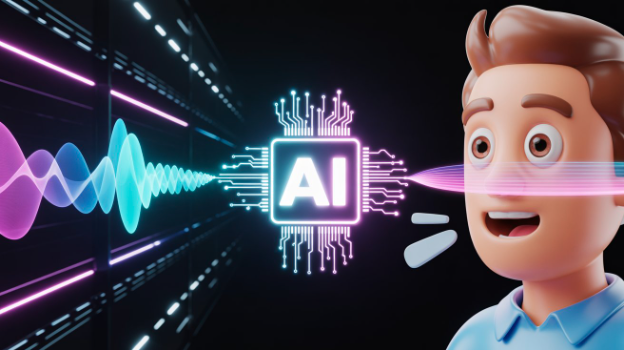
To animate from audio means using AI tools to take a voice recording and automatically generate a character that speaks those words with matching lip movements, expressions, and sometimes gestures.
Instead of manually animating every frame, AI handles the entire process. You just provide the audio, and the system creates a talking avatar or animated character in minutes.
How AI Converts Audio into Talking Characters
The process involves several advanced technologies working together. Here is a simplified breakdown:
1. Audio Input Processing
First, the AI analyzes the audio file. It detects:
- Speech patterns
- Tone and pitch
- Timing and pauses
This step helps the system understand how the voice should be visually represented.
2. Speech Recognition and Phoneme Detection
AI breaks the audio into smaller sound units called phonemes. These are the basic building blocks of speech.
For example:
- “Hello” is split into multiple phoneme sounds
- Each sound corresponds to a specific mouth shape
This is a key step when tools animate from audio, as accurate phoneme detection ensures realistic lip-sync.
3. Lip-Sync Animation
Once phonemes are identified, AI maps them to mouth movements.
This process is often called:
- Lip-sync technology
- Facial animation mapping
The character’s lips move in perfect sync with the audio, making the animation look natural and engaging.
4. Facial Expression Generation
Advanced AI tools go beyond lip movement. They also add:
- Eye movements
- Facial expressions
- Head motions
The system analyzes emotion in the voice to match expressions accordingly. For example:
- A happy tone results in smiling expressions
- A serious tone creates neutral or focused looks
5. Character Rendering
Finally, the AI renders the animated character. This can be:
- A cartoon avatar
- A realistic human-like presenter
- A branded character
Many platforms that animate from audio allow customization, so users can choose styles, backgrounds, and character designs.
Technologies Behind Audio-to-Animation
Several AI technologies make this possible:
- Machine Learning. Learns speech patterns and animation behavior
- Natural Language Processing (NLP). Understands spoken language
- Computer Vision. Helps generate facial movements
- Deep Learning Models. Improve realism over time
These technologies work together to automate what used to take hours or days of manual animation.
Popular Use Cases
The ability to animate from audio is used across many industries:
1. Content Creation
YouTubers and creators use it to produce videos without appearing on camera.
2. Marketing
Businesses create engaging ads using animated spokespersons.
3. Education
Teachers turn lectures into animated lessons that are easier to understand.
4. Social Media
Short animated clips perform well on platforms like TikTok and Instagram.
5. Podcast Repurposing
Audio podcasts can be converted into video content with talking avatars.
Benefits of Using AI to Animate from Audio
- Saves time and effort
- No need for animation skills
- Cost-effective compared to traditional animation
- Scalable for bulk content creation
- Consistent and professional output
Challenges and Limitations
Despite its advantages, there are some limitations:
- Lip-sync may not always be perfect
- Emotional expressions can feel slightly robotic
- High-quality tools may require a subscription
- Limited customization in some platforms
However, AI is improving rapidly, and these issues are becoming less noticeable.
Future of Audio-Based Animation
The future of tools that animate from audio looks promising. We can expect:
- More realistic avatars
- Better emotion detection
- Real-time animation capabilities
- Integration with virtual influencers and AI assistants
As technology evolves, creating professional videos from simple audio will become even easier and more accessible.
Conclusion
AI has made it incredibly simple to animate from audio and create talking characters without technical expertise. By combining speech analysis, lip-sync technology, and facial animation, these tools turn voice recordings into engaging visual content in minutes.
Whether you are a content creator, marketer, or educator, using AI to animate from audio can help you produce high-quality videos faster and more efficiently.

Marketing automation has helped to connect customers to product and services provided by companies and helped those same companies to streamline their marketing efforts allowing them to spend less time on operational execution and more on strategy and storytelling.
https://is.gd/VLQMdJHere’s how AI bots can help enhance your marketing automation efforts.Better analytics: AI bots log all communications, meaning they can be analyzed later.
This can help you identify common questions or concerns to help you understand the pain points for customers and help to proactively develop solutions.
By understanding what customers are struggling with or regularly curious about, you can develop content that better answers their questions or even develop further products or services that help meet their needs.Better lead generation: Ultimately, the point of marketing is to create customers.
This is usually accomplished by qualifying leads – identifying people who may be interested in committing to a product or service to meet their needs.
Leads are developed through a number of mediums, including forms and gated content.