


Classrooms, Then and Now
There was a time, not that long ago, when learning meant sitting in a room with rows of desks, a chalkboard that never quite got clean, and a clock that seemed to move slower during math periods. You showed up, or you missed it. Simple, rigid… and honestly, a little unforgiving.
Now? Learning follows you. On your phone, your laptop, your TV if you feel like it.
The shift didn’t happen overnight, but once education streaming solutions entered the picture, the entire system began to stretch beyond walls and schedules.And somewhere in that evolution, something interesting emerged, education started to look a lot like television.
The Rise of 24/7 Learning Channels
Think about it. Instead of scheduled classes, we now have continuous streams of content. Lectures, tutorials, discussions, all running in a loop or on demand, much like a FAST channel platform or even a video streaming website.
This is where the idea of 24/7 learning channels takes shape.
Educational institutions and platforms are no longer just uploading videos. They are curating full-time channels dedicated to subjects, skills, or even specific age groups. A student can “tune in” to a math channel in the morning, switch to science in the afternoon, and end the day with a language session.
It’s structured, but flexible. Familiar, yet completely new.
What Broadcast Playout Software Actually Does
Behind these seamless streams sits broadcast playout software, quietly doing the heavy lifting.
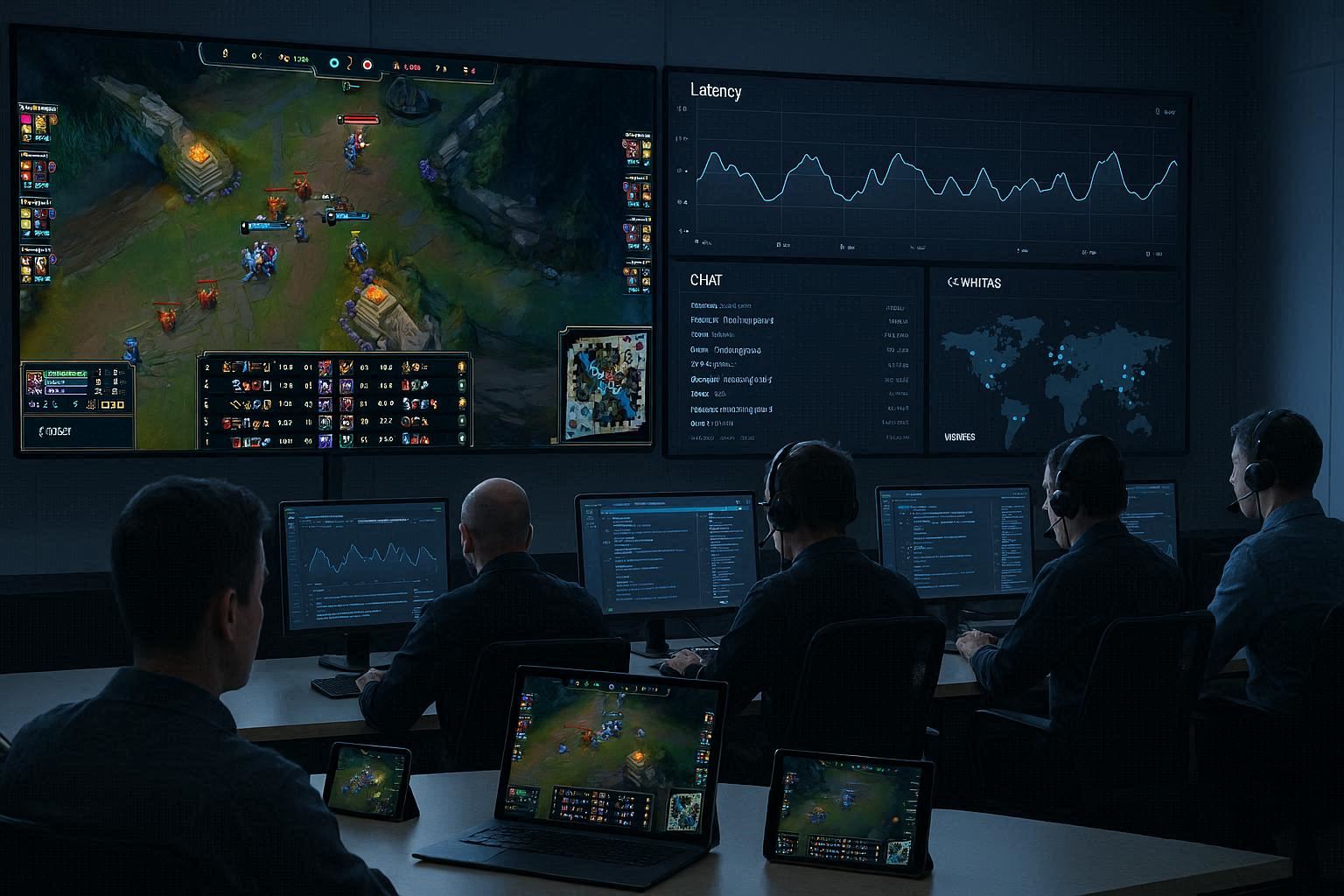
At a basic level, it manages what content plays, when it plays, and how it transitions. But in modern education streaming, it goes much further. It automates scheduling, integrates live sessions with recorded content, and ensures that streams run continuously without awkward gaps or manual intervention.
Imagine trying to run a 24/7 educational channel manually. Someone would have to queue every video, monitor every transition, fix every glitch. Not realistic.
Playout software handles all of that. It builds playlists, inserts breaks, aligns programming with time zones, and keeps everything flowing like a well-run broadcast network.
Blending Structure with Flexibility
One of the more interesting tensions in digital education is this balance between structure and freedom.
Traditional learning had structure, sometimes too much. Early online learning had freedom, sometimes too much. What education streaming solutions are trying to do now is sit somewhere in the middle.
With playout systems, educators can design structured learning paths, scheduled lessons, progressive modules, while still allowing students to dip in and out as needed. It’s not chaotic, but it’s not restrictive either.
And honestly, that balance is harder to achieve than it sounds.
The Role of the Electronic Program Guide in Education
Here’s where things start to feel very “TV-like.”
An Electronic Program Guide is no longer just for entertainment channels. In education streaming, it becomes a navigation tool for learners. It tells them what’s coming up, what’s live, what they might want to revisit.
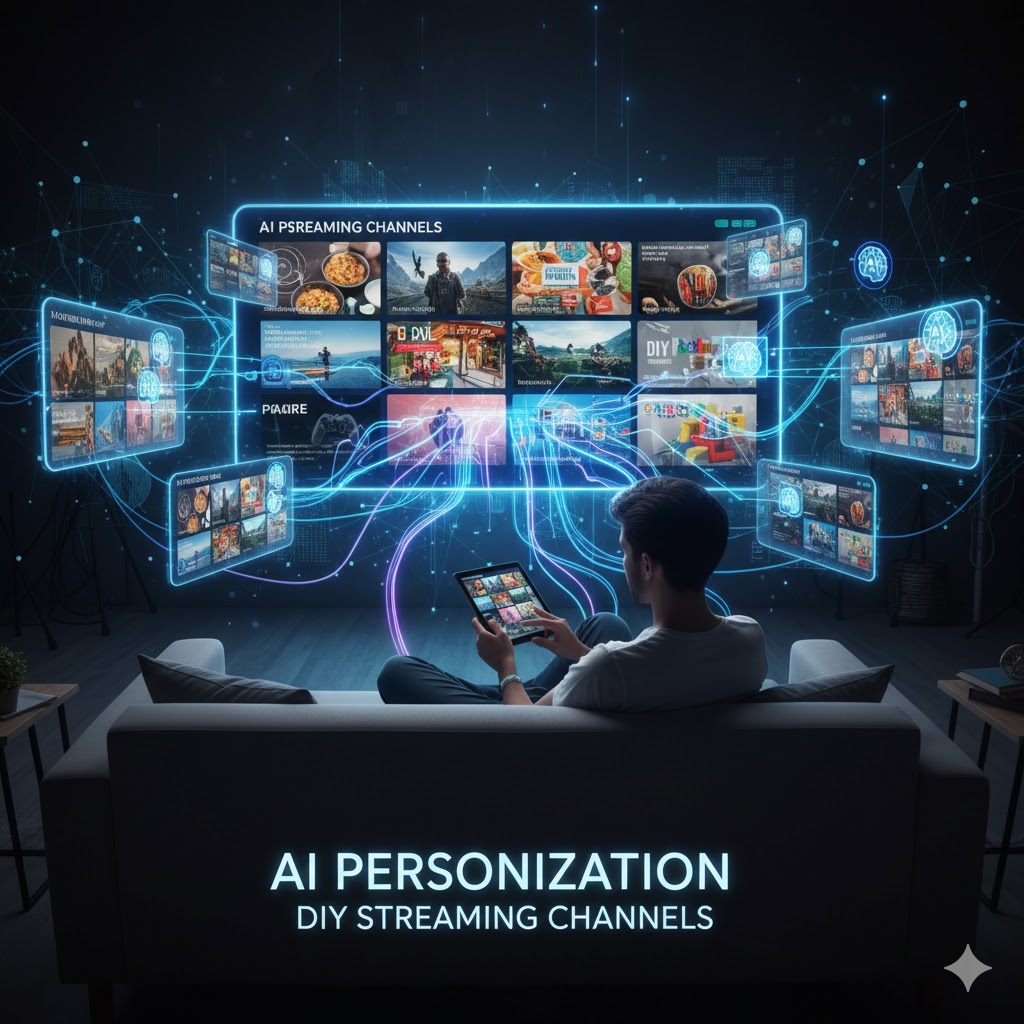
But modern EPGs do more than list schedules. When paired with AI, they can recommend lessons, highlight trending topics, or even suggest the next logical step in a learning journey.
So instead of asking, “What should I study next?” the platform gently nudges you in a direction. Not forcefully. Just… helpfully.
Live Learning Meets On-Demand Content
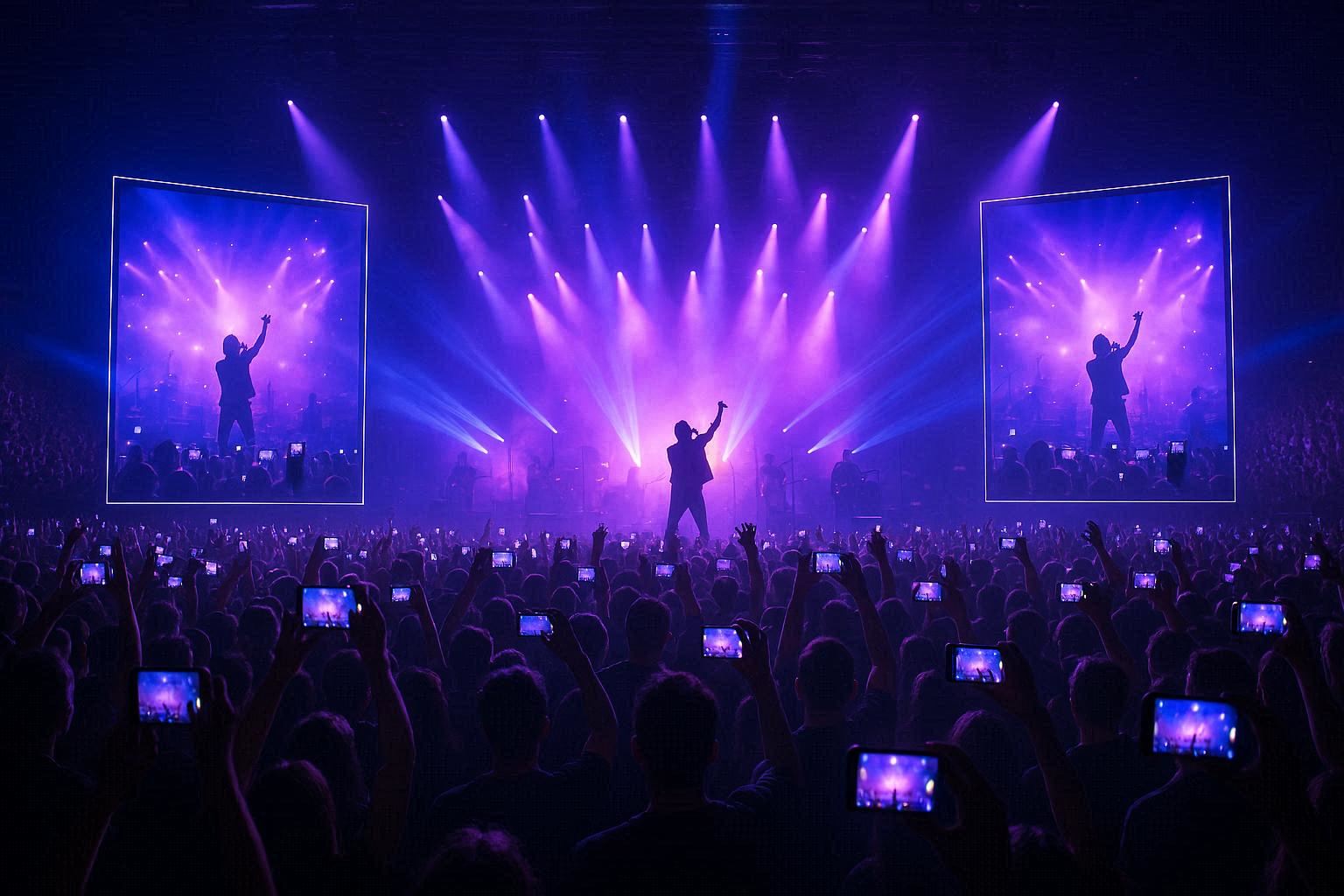
There’s something uniquely engaging about live sessions. The unpredictability, the sense that others are watching at the same time, it adds energy.
That’s why many education platforms are blending live classes with pre-recorded material. A live lecture might anchor the schedule, while recorded videos fill the gaps, creating a continuous stream of learning.
This hybrid model mirrors what we’ve already seen in fitness streaming services, where live workouts coexist with on-demand libraries. Different domain, same psychology. People like options, but they also like guidance.
Scaling Education Beyond Borders
One of the biggest advantages of using broadcast playout software in education is scalability.
A single institution can reach thousands, even millions, of learners across different regions. Content can be localized, scheduled according to time zones, and distributed across multiple devices without losing consistency.
And it’s not just universities. Training centers, corporate learning platforms, even independent educators are stepping into this space, building their own channels, their own ecosystems.
It’s a bit like everyone is becoming a broadcaster, whether they planned to or not.
Challenges That Come With the Shift
Of course, this transformation isn’t without friction.
Content quality becomes critical. A poorly produced lecture won’t hold attention, no matter how well it’s scheduled. وهناك also the risk of overwhelming learners with too much content, too many options, too little direction.
Then there’s the technical side. Streaming reliability, platform compatibility, data management, all of it needs to work smoothly. Because the moment it doesn’t, the learning experience breaks.
And once that happens, it’s hard to win attention back.
The Future of Education as a Streaming Experience
If things keep moving in this direction, and they probably will, education will look less like a system and more like a continuous experience.
Always on. Always available.
With smarter education streaming solutions, AI-driven scheduling, and increasingly sophisticated broadcast playout software, learning will become something you can access as easily as switching a channel.
Maybe that’s the point. To make education feel less like an obligation and more like something you can step into, explore, and return to whenever you’re ready.
Not perfect. Not final. But definitely… evolving.
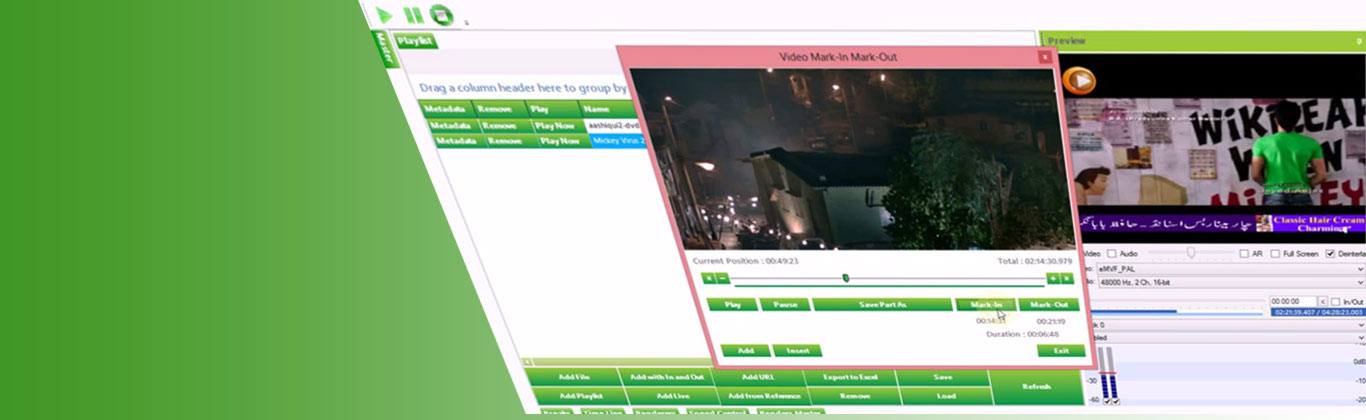
Cable TV Software - Now run your own Local News or entertainment channel using our playout software for cable TV at affordable prices.
Check our website to know more about Logosys Cable TV Software.


Studies show that using educational software, which enables personalized learning experiences, have significant positive effects on academic outcomes.