Introduction
The decentralized finance (DeFi) ecosystem has grown rapidly, but one major limitation still exists—fragmentation across different blockchains. Assets, liquidity, and users are spread across multiple networks like Ethereum, BNB Chain, and others. This is where multi-chain decentralized exchanges (DEXs) come into play.
A multi-chain DEX allows users to trade assets across different blockchains seamlessly, without relying on centralized intermediaries. For businesses and startups, building such a platform presents a powerful opportunity to tap into a broader user base and unlock deeper liquidity.
What Is a Multi-Chain Decentralized Exchange?
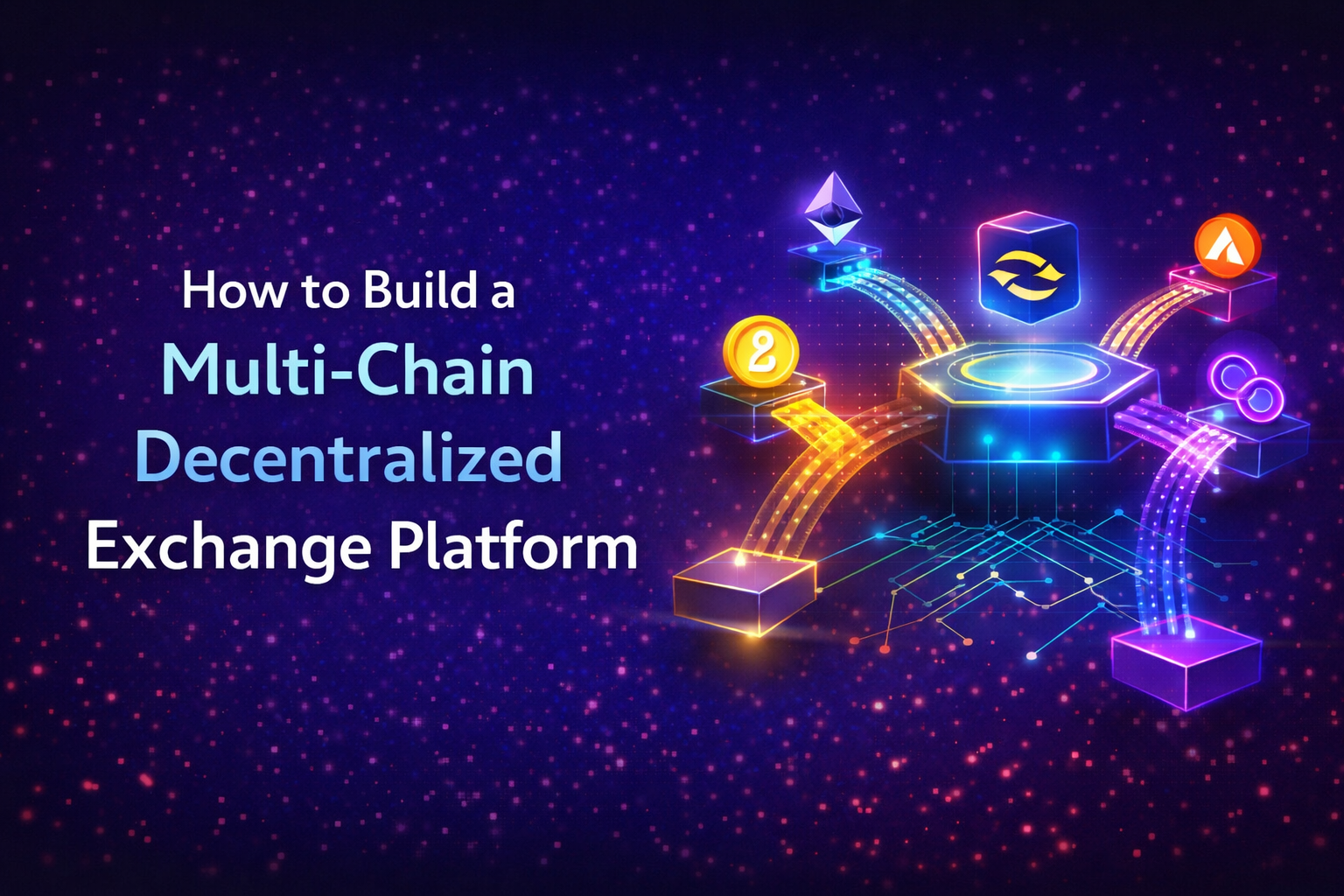
A multi-chain DEX is a decentralized trading platform that supports multiple blockchain networks, enabling users to swap tokens across chains. Unlike single-chain DEXs, these platforms are designed to eliminate ecosystem silos and improve accessibility.
Instead of being limited to one blockchain, users can interact with assets from various networks within a single interface. This flexibility significantly enhances the trading experience and opens up new possibilities for liquidity aggregation.
Why Multi-Chain DEX Development Matters
The need for multi-chain DEX platforms arises from the growing diversity of blockchain ecosystems. Each blockchain offers unique advantages, but users often face challenges when moving assets between them.
Multi-chain DEXs solve this problem by providing seamless interoperability. They reduce dependency on centralized bridges and improve efficiency in cross-chain trading. For businesses, this means higher user engagement and increased trading volume.
Key Components of a Multi-Chain DEX Platform
Building a multi-chain DEX requires integrating several critical components that work together to enable smooth cross-chain trading.
Some essential components include:
- Smart contracts for handling trades and liquidity
- Cross-chain bridges or interoperability protocols
- Liquidity pools or order book systems
These components must be carefully designed and integrated to ensure secure and efficient operations across multiple networks.
Choosing the Right Blockchain Networks
Selecting the appropriate blockchains is a crucial step in development. Popular networks like Ethereum, BNB Chain, Polygon, and others offer different advantages in terms of scalability, cost, and ecosystem support.
A successful multi-chain DEX typically supports multiple high-traffic blockchains to maximize user reach. The choice should be based on target audience, transaction speed, and integration feasibility.
Cross-Chain Interoperability Mechanisms
Interoperability is the backbone of a multi-chain DEX. It enables communication between different blockchains and allows assets to move seamlessly across networks.
This can be achieved through technologies such as cross-chain bridges, atomic swaps, or interoperability protocols. Each approach has its own advantages and challenges, and selecting the right method depends on the platform’s design and security requirements.
Smart Contract Development
Smart contracts play a central role in executing trades, managing liquidity, and ensuring trustless operations. For a multi-chain DEX, these contracts must be deployed across multiple blockchains and work in coordination.
Developers must ensure that smart contracts are secure, efficient, and compatible with different networks. Regular audits and testing are essential to prevent vulnerabilities and ensure reliability.
Liquidity Management in Multi-Chain DEX
Liquidity is one of the most important factors in the success of any exchange. In a multi-chain DEX, liquidity must be distributed across multiple networks while maintaining efficiency.
This can be achieved through shared liquidity pools, liquidity aggregation, or partnerships with market makers. Proper liquidity management ensures smooth trading and minimizes slippage for users.
User Interface and Experience Design
A user-friendly interface is critical for the adoption of a multi-chain DEX. Since cross-chain trading can be complex, the platform must simplify the process for users.
Modern DEX platforms focus on intuitive design, clear navigation, and advanced trading tools. Features like real-time data, easy wallet integration, and simplified transaction flows enhance the overall user experience.
Security Considerations
Security is a top priority when building a multi-chain DEX, especially due to the complexity of cross-chain interactions. Vulnerabilities in bridges or smart contracts can lead to significant risks.
To ensure security, platforms must implement strong encryption, multi-signature wallets, and regular audits. Continuous monitoring and risk management systems are also essential to protect user funds.
Regulatory and Compliance Aspects
Although decentralized exchanges operate without central authorities, regulatory considerations are becoming increasingly important. Governments are introducing frameworks to monitor crypto transactions, including cross-chain activities.
Multi-chain DEX platforms should consider implementing optional compliance features such as identity verification and transaction monitoring. This helps align with regulations while maintaining decentralization
Development Process of a Multi-Chain DEX
The development process involves multiple stages, starting with requirement analysis and planning. This is followed by UI/UX design, smart contract development, and backend integration.
After development, rigorous testing is conducted to ensure performance and security. Once the platform is deployed, continuous updates and maintenance are required to keep it running efficiently.
Cost of Building a Multi-Chain DEX Platform
The cost of developing a multi-chain DEX depends on several factors, including the number of supported blockchains, complexity of features, and security requirements.
Custom-built platforms generally require higher investment but offer greater flexibility. Businesses must also consider ongoing costs such as maintenance, upgrades, and liquidity management.
Challenges in Multi-Chain DEX Development
Building a multi-chain DEX comes with its own set of challenges. Interoperability issues, security risks, and liquidity fragmentation are some of the major concerns.
Additionally, maintaining consistent performance across multiple blockchains can be complex. Addressing these challenges requires careful planning, advanced technology, and continuous optimization.
Future of Multi-Chain Decentralized Exchanges
The future of multi-chain DEX platforms looks promising as the demand for interoperability continues to grow. Innovations in blockchain technology, such as Layer 2 solutions and advanced bridging mechanisms, are expected to enhance performance and scalability.
As more users and institutions enter the DeFi space, multi-chain DEXs will play a crucial role in connecting different ecosystems and enabling seamless trading experiences.
Conclusion
Building a multi-chain decentralized exchange development guide platform is a complex yet rewarding endeavor. By enabling cross-chain trading and improving liquidity access, these platforms address some of the biggest challenges in the DeFi ecosystem.
With the right technology, security measures, and development strategy, businesses can create powerful multi-chain DEX platforms that cater to a global audience. As the crypto industry continues to evolve, investing in multi-chain solutions can provide a strong competitive advantage.